• Skip to primary navigation
  • Skip to main content
  • Skip to primary sidebar
  • Skip to footer

Manhattan Digest

All you need to know about Manhattan culture and so much more...

  • LIFESTYLE
  • ENTERTAINMENT
  • LGBT
  • OPINION
  • TECHNOLOGY

Album Review

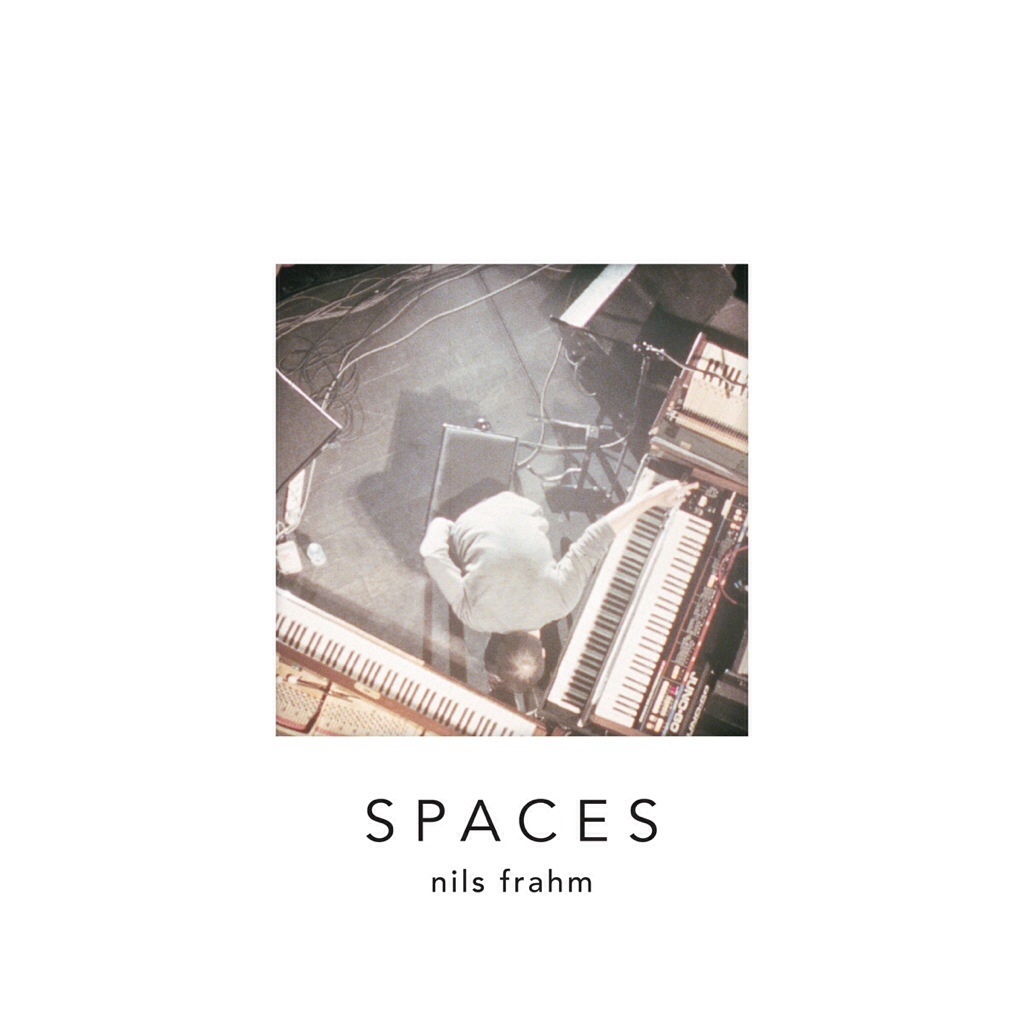
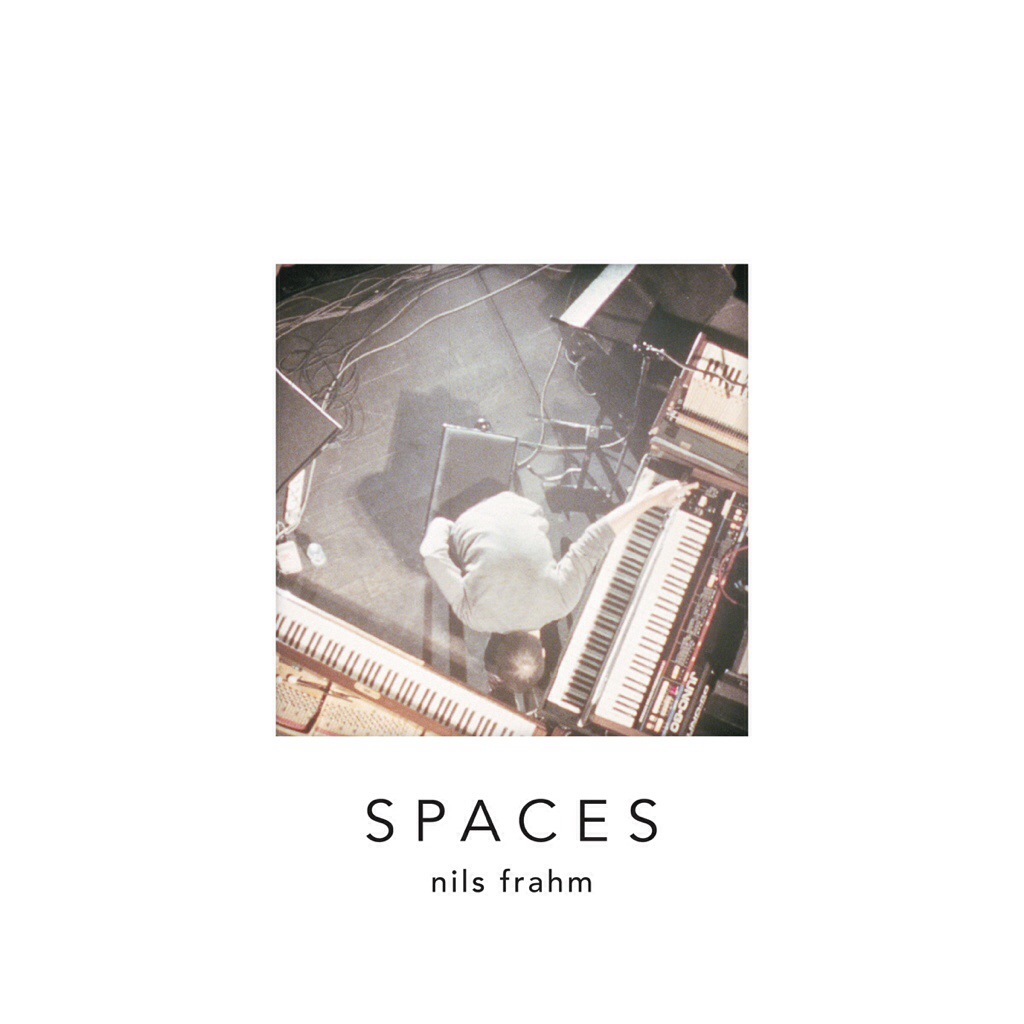
Album Review: Nils Frahm – Spaces

by Rio Toro

20131202-175128.jpg

Nils Frahm: Spaces
Similar Artists: Max Richter, Steve Reich, Erik Satie
Genre: Minimalism, Modern-Classical
Label: Erased Tapes

The weather’s getting colder, and NYC’s striving artists have retreated to the subways to gift us with their musical talents in the hope that we will provide them with petty cash so they can sustain themselves through the tough months that lie ahead. During this past holiday weekend alone, I heard countless performers from such backgrounds as jazz, soul, percussion, and even opera. That’s not to mention the hordes of freestyle dancers flipping around subway carts to hip-hop. As much as I love these omnipresent musical flourishes throughout my day-to-day travels, they will often distract me from my personal headphone space, and I will have to put my isolated world on hold until I reach a quieter destination. However, with Nils Frahm’s latest solo offering, Spaces, the gifted young pianist has crafted a 70 minute modern-classical epic that as far as my travels have taken me, has remained incapable of being tarnished by any outside factor; all the saxophonists, soul singers, percussionists and dancers seem to arrive at the perfect time, blending inconspicuously into the vast open arena that is this music

That may seem a bit fantastical, as this isn’t quite as empty as ambient music, but it has to do with the spacious, occasionally barren, and most of all wintery, piano music that Nils Frahm is composing. I’m not 100% sure if Spaces is intended to be a live document, or a career compilation, or possibly an entirely new full length (only a few of these pieces have yet to be released in one form or another) but it is clear that it’s intended to feel intimate and personal; like Nils himself is sitting in front of us with his grand piano, fighting back the coldness of the air to play us one more composition. And grand compositions these are, as never before has the young pianist reproduced his sprawling talent within a statement as commendable as this one.

My introduction to Nils Frahm was through his brief 3 song EP Wintermusic, which was recommended to me at the time due to my obsession with minimalist piano music such as Erik Satie, as well as more modern classical composers such as Max Richter. As pleasant as Wintermusic was though, despite being an album I enjoyed to listen to during 2011 snowstorms (if I had already listened to Kate Bush’s 50 Words for Snow that day), it offered little to hold on to, and I never ended up chasing after any of the artist’s other work. Spaces, however, is massive, elemental, and more experimental/avant-garde in nature. As far as modern-classical works go, this is the most notable I’ve heard since Richter’s pivotal The Blue Notebooks.

It starts off on the noisier side with the uncharacteristically brief “An Aborted Beginning”, which clings to the listener with percussion (also uncharacteristic) and a slight dub infusion. “Says”, at 8:18, is the first real piece, and it sees Nils at his most hypnotic and momentous, ever so slightly picking up the pace every measure until exploding into a cathartic climax. From there he moves to “Said and Done”, which along with brand new track “Hammers” feels minimalist in the Steve Reich/Philip Glass kind of way. Compared to intense moments such as these, I first felt the three song middle section of “Went Missing”, “Familiar”, and “Improvisation for Coughs and a Cell Phone” — which are all slowly moving solo piano pieces — to be a bit on the boring side, especially when pitted against the more epic, synth driven pieces, but they also allow us to get a better grasp on Frahm’s improvisational supremacy, and how he feels comfortable no matter how abstract his music becomes. Still, there are no words to describe how great it feels when the huge, pulsating chords open up “For-Peter-Toilet Brushes-More”. As the four part title suggests, the nearly 20 minute track represents everything that is great about Nils Frahm and wraps it into one continuously flowing monologue.

I’m usually all about moving while listening to music, like I’m in fear that if I stay cemented for too long the music will stop affecting me. Spaces though, is an album I feel completely comfortable doing just about anything with (reading, studying, browsing the web, resting) without the music’s flow ever departing from my consciousness. In other words, it’s an album you could live with; each playthrough ever so slightly drawing you into the cold winter ahead.

Track Listing
1.) An Aborted Beginning
2.) Says*
3.) Said and Done*
4.) Went Missing
5.) Familiar
6.) Improvisation For Coughs and a Cell Phone
7.) Hammers*
8.) For-Peter-Toilet Brushes-More*
9.) Over There, It’s Raining
10.) Unter-Tristana-Ambre*
11.) Ross’s Harmonium

Album Highlight – *

Filed Under: ENTERTAINMENT, MUSIC, OPINION, REVIEWS Tagged With: Album Review, erased tapes, modern-classical, nils frahm, piano, spaces

Album Review: Omar Souleyman – Wenu Wenu

by Rio Toro

20131130-150641.jpg

Omar Souleyman: Wenu Wenu
Similar Artists: None that I know of
Genre: Dabke, Syrian Wedding Music, Line Dancing
Label: Ribbon Music

I’ve been getting some pretty strange looks from people who overhear Omar Souleyman’s Wenu Wenu blasting from my headphones. This is probably because I’m white, and with my black leather jacket and torn jeans I probably resemble someone who would listen to punk or hard-rock rather than anything as foreign as Syrian wedding music. The thing is, despite the initial ethnic hurdle (you’ll have to look up a translation if you’re interested in what these songs are about), Souleyman’s high octane version of Dabke — a traditional style of music intended for the purpose of line dancing — translates quite efficiently to the now popularized brand of melodic techno/house.

So yes, this is party music in the truest sense of the word. While Souleyman himself is a dynamic force on the album — with his soaring and spiritual voice — the main appeal (at least to us Americans) comes from longtime partner Rizan Sa’id’s virtuosic keyboard playing. His adventurous synthesizer rhythms are a non-stop presence through the 40 minute album, and since they are often backed by bouncy 4/4 beats and hypnotic bass loops, if you let it, this is music that can truly make you move.

Omar Souleyman has apparently recorded upwards of 500 albums — of which he only made one copy of, to give to the bride and groom — but only recently has he been working within an actual studio in an attempt to capture the essence of his highly talked about live performances. Wenu Wenu is being seen as his first “proper” studio full length, as it was put out on Ribbon Music instead of Sublime Frequencies, who put out versions of his more low-fidelity recordings. Production duties have been handled by Keiran Hebden(AKA Four Tet), and although his influence on the music itself is only modest, he treats the sounds with a clarity and buoyancy relatable to his own work. This is a good thing, because Souleyman and Sa’id don’t need to change their formula; not now, not ever.

Wenu Wenu is about channeling the best of this duo’s output (many of these tracks are rerecorded versions of previously released career highlights) and making it work in a home listening setting. While some people may prefer the more chaotic and unintentionally noisy characteristics of Souleyman’s previous work, this is an album that took a whole lot of time to get here (around 20 years), and every non-Syrian should brave any slight uncomfortableness they may have and listen to it at least once.

Track Listing:
1.) Wenu Wenu*
2.) Ya Yumma
3.) Nahy*
4.) Khattaba
5.) Warni Warni*
6.) Mawal Jamar
7.) Yagbuni*

Album Highlight – *

Filed Under: ENTERTAINMENT, MUSIC, OPINION, REVIEWS Tagged With: Album Review, Dabke, keiran Hebden, omar souleyman, synthesizer, wenu wenu

Album Review: CFCF – Outside

by Rio Toro

20131121-163103.jpg

CFCF: Outside
Similar Artists: D’eon, Emeralds, The Orb
Genre: 80’s soft rock, new age, electro pop
Label: Paper Bag Records

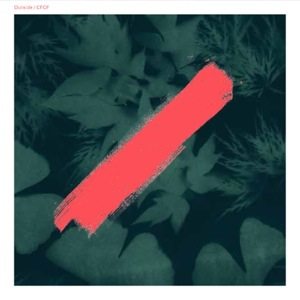
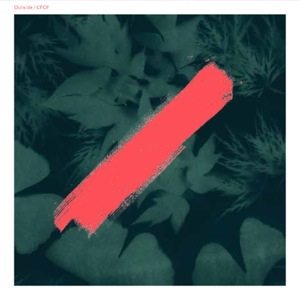
If you’re asking me, I’d much rather see a great producer sticking to his guns and continuing to hone his individual craft rather than prove his versatility by releasing music that is somewhat risk taking, yet neither as original nor as satisfying as his earlier work. Not that CFCF’s releases haven’t all been varied in their own right; Continent saw him treating his lush instrumental soundscapes with an early IDM vibe, The River saw him taking on the slow paced cinematic cues from films, and best of all, last year’s Exercises saw him taking influence from Philip Glass and Ryuichi Sakamoto with the inclusion of minimalist piano figures and drifting ambience. Outside — his 2nd full length release — however, is a hard left turn, and one that see’s Mike Silver embracing pop stylings that are at least a few hairs short of modern.

It starts off pleasantly enough with “Beyond Light”, one of only a few instrumental tracks. Through a simple synth pattern that in turn becomes backed by multiple layers of drums, bass and woodwinds, CFCF reaches a state of perpetual chill-out bliss. The next track however, the stringent “Jump Off The Train”, introduces the album’s true obsession: good, old fashioned notes. If the first track had an early Oneohtrix Point Never vibe, this one feels more like the direction Emeralds were going in on Does It Look Like I’m Here. “Find” too, feels like it was taken directly out of the Mark McGuire handbook. Although these sounds are nothing new, I have no real complaints with the melodies or songwriting on this album.

What does eventually bring down these productions though, is how Mike Silver has ornamented them with his own unaffecting, and often flat voice. His voice is somewhat similar to Dan Snaith’s (of Caribou fame) — another great producer who has moved closer to pop’s infrastructure on recent releases — but the difference is that Dan Snaith uses his voice to extend the individuality of his compositions, while Silver is singing for the mere purpose of having vocals in his work at all. With this said, the vocals are tuned down in the mix, and rarely get in the way of the other, more enjoyable aspects of he music. The track where he really gets this mixture right — where his plan of hushed vocals and overlapping electronic rhythms finally comes into full view — is “The Forest at Night”. The thing is, it’s so similar to many of its surrounding tracks that it doesn’t stick out as much as it should have.

The true inspiration for Outside — which you would have been able to guess without any external research — is Peter Gabriel, whose exotic brand of stadium pop comes through in a big way on tracks like “Feeling, Holding” and “The Crossing”. It’s pretty much undeniably cheesy, and clearly didn’t come off in the cool retro vibe CFCF probably imagined. While Silver does, to an extent, play appropriate homage to Gabriel, he does little to extend his trademarked sound in any way; a few songs actually feel as though they could break into “In Your Eyes” at any moment. In fact, maybe he would have been better off just making this a covers record, as “Strange Form of Life”, originally a Bonnie “Prince” Billy song, is surprisingly one of the biggest highlights of the album.

I keep feeling like I’m being too harsh on this record, as Mike Silver is still showcasing his expert production techniques, just in ways that I find to be unflattering. But whether the sounds of Outside appeal to your personal tastes or not, there’s little denying that it’s not the timeless document its creator was working towards. He tried to go big and came out a tad bit sour, but that’s ok, because it means CFCF is one step closer to making his masterpiece.

Track Listing:
1.) Beyond Light*
2.) Jump Out of the Train*
3.) Strange Form Of Life*
4.) Find
5.) This Breath
6.) Feeling, Holding
7.) The Forest at Night*
8.) Transcend
9.) The Crossing
10.) Walking in the Dust

Album highlight – *

Filed Under: ENTERTAINMENT, MUSIC, OPINION, REVIEWS Tagged With: Album Review, cfcf, electronic, exercises, mike silver, new age, outside, producer

Album Review: Death Grips – Government Plates

by Rio Toro

death-grips-government-plates

Death Grips: Government Plates

Similar Artists: Danny Brown, Shabazz Palaces, Crystal Castles, Hella

Genre: Left field Hip-Hop, Post Industrial Rap, Noise Techno

Label: Self-Released


I can forgive Death Grips for canceling their show at Webster Hall earlier this year. It’s not because I’m not still angry about it, because believe me, I am, but at the same time, I admire how they do things on their own time and don’t give a fuck about the orders of whoever it is that’s supposed to be in charge of them. Also, it’s not like I’d be able to find a replacement for their groundbreaking brand of crazed industrial hip-hop (…if that can even be considered an accurate descriptor). Although I’m sure they respect their ever-increasing fanbase, Death Grips are that rare band that are 100% formative on artistic expression. They care so much about constantly releasing new music that is bursting at the seams with expressiveness, that they care very little about whether or not they’re making any sense in the process.

Ever since their debut full length/mixtape, Ex-Military, Death Grips have been on an unstoppable roll that has garnered them near worldwide acclaim. That’s not too shabby for a sadistic, S&M crazed junkyard act, who by the way, have no intentions of appealing to such a large crowd. The Money Store (my personal favorite record from last year) — with its psychopathic intensity — was perhaps always going to prove successful though; why else would Sony’s Epic Records choose to sign them? Death Grips didn’t care much about that deal either though, as they chose to leak their subsequent album, the equally rampant No Love Deep Web — originally planned for a 2013 release date — a mere 6 months after The Money Store. It seems as though they have been on an anxious, paranoid, drug fueled frenzy to release as much music as possible within a 2 year time frame, because last Wednesday, Death Grips leaked their entire new album — this time intended for a 2014 release — months ahead of schedule. Maybe it’s because they think it’s funny, or maybe it’s because they actually are coked out of their minds, but we should be glad, because the music world really needed an act like Death Grips to shake things up a bit.

After the more dreary, lyrical focus of No Love Deep Web, Government Plates is both Death Grips’ return to the shape shifting arpeggiations of The Money Store, as well as a move away from structurally evolving songs. The majority of these tracks are short, and often consist of Burnett’s violent, antagonistic lyrics being looped around each other in heady fashion. Opener, the hilariously titled, “You might think he loves you for your money but I know what he really loves you for it’s your brand new leopard skin pillbox hat” (a Bob Dylan reference, of all things) still features Burnett’s cranium expanding stream of consciousness rapping, but otherwise, this is Death Grips taking on the repetition of hardcore dance music more fully than they previously have. Tracks such as “Big House” even recall UK techno titans such as Regis or Surgeon; if only for brief snippets at a time.

This change up works, as they are just as noisy and difficult as ever, and the album’s electronic component is the heftiest and most adventurous to Death Grips’ name. It’s their most layered album in terms of beats, and Zach Hill’s drumming is at times even more riotous than how we remember it. “This Is Violence Now (Don’t Get Me Wrong)” is the most accessible representation of this new direction, and tracks like “Feels Like A Wheel”, and the title track follow suit in providing 2 and a half minute blasts of punishing, nose bleed worthy techno. Death Grips have never been ones for lengthy tracks, but the only two tracks here that exceed 3 minutes are the previously released “Birds”  and the epic 7 minute closing track, “Whatever I Want (Fuck Who’s Watching)”. Both of these tracks are notable for how they break the framework of the album. “Birds”, which was already confounding upon its release, is even more perplexing within context, as it’s the one track that stops to let you breathe and think about what has been happening during the previous four tracks. With its twangy, somewhat off key guitars and melding vocals (the lyrics will likely be disputed forever), it’s Death Grips taking their sound to an even less understandable level; I’d also like to point out that it’s unrealistically addictive. On the other hand, “Whatever I Want (Fuck Who’s Watching)” takes their sound to its extremes of sonic frequencies, and is even a step above the previous ones in terms of its club influences…or at least, it is until it begins trailing off into blasts of ambient feedback a minute or two in.

Overall though, Government Plates doesn’t feel any different than what we expected it to be: a Death Grips record. I’ll admit, I knew I was going to love Government Plates before I even listened to it, simply because I consider Death Grips to be one of the most important acts of this generation, and I’d be damned if I was going to change my mind about them now, after all my endless praise. As it stands now, from the first track to last I’m in heaven, and until my euphoria begins to fade, I’ll be incapable of dissecting the record any more than I already have.


Track Listing:

1.) You might think he loves you for your money but I know what he really loves you for it’s your brand new leopard skin pillbox hat*

2.) Anne Bonny*

3.) Two Heavens

4.) This Is Violence Now (Don’t get me wrong)*

5.) Birds*

6.) Feels Like A Wheel

7.) I’m Overflow*

8.) Big House

9.) Government Plates*

10.) Bootleg (Don’t Need Your Help)

11.) Whatever I Want (Fuck Who’s Watching)*

Album Highlight – *

Filed Under: ENTERTAINMENT, MUSIC, OPINION, REVIEWS Tagged With: Album Review, death grips, ex-military, government plates, industrial, left field, no love deep web, post hip-hop, rap, the money store

Album Review: Los Campesinos! – NO BLUES

by Rio Toro

11817

Los Campesinos!: NO BLUES

Similar Artists: The Wrens, The Smiths, Yuck

Genre: Indie Rock, What teenagers should be listening to

Label: Turnstile

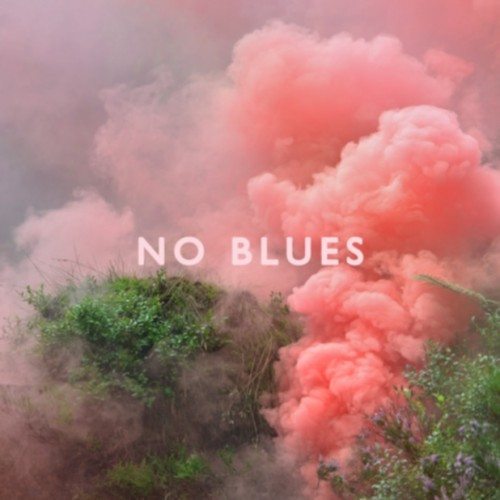
Has it really only been 5 years since Los Campesinos! unleashed their debut, Hold On Now, Youngster, unto the world? I was initially shocked when I realized this truth, as I had remembered them as an integral part of the indie rock canon throughout the 2000’s. It feels like we’ve had their debut — along with its sequel, We Are Beautiful, We Are Doomed — for a lifetime already, and I feel it’s because at the time of their arrival, Los Campesinos! fit into the already crowded scene of indie rock so comfortably. They nailed that 50% wackiness/50% seriousness model down right from the get-go, and it made them easy to love. They were an impressive band not because of any outrageous technical prowess or modernity, but because of their immediacy, their youthfulness, and most of all, their hyperactivity.

Within the time since their first two records, Los Campesinos! have somewhat moved away from their frenetic ADHD sound in favor of some (slightly) more mature and grounded songwriting. The results have been largely positive, although not overwhelmingly so, as their previous two LPs, Romance Is Boring and Hello Sadness both saw little change to their established formula. Even now, they’re arguably still at their best when they’re jumping off the walls, but this new release finds them at a new high point, and ends up being their tightest and most anthemic release to date. It feels like they’re finally at the destination they’ve been reaching for on their last few releases, and there is a noticeable peacefulness surrounding their aura because of it.

In terms of lyrics, NO BLUES sees Los Campesinos! at their usual state of anxious and depressed. This is a world where characters curse their exes to a life of celibacy and feel as though the world is constantly crushing down on them. These stories are told through Gareth’s consistently clever wordplay, in which he treats us with puns, witty sarcasm, and more obscure sports references than you can handle. However, as the title suggests, this album is about facing up to these daily struggles instead of committing suicide over them. In these respects, Los Campesinos! have moved from being the quintessential teenage band to the quintessential young adult band. Case in point being the hilarious and sprawling “Avocado, Baby”, in which Gareth describes himself as having a /heart of stone, rind so tough it’s crazy, that’s why they call me the avocado, baby/. The remaining vocalists back this chorus in a cheerleader-like chant; one of the few moments on the album that could be called downright outrageous. Besides that one (necessary) freakout though, the majority of the songwriting is fluid, well paced, and within its proper context.

Don’t get me wrong, Los Campesinos! aren’t going as far as using restraint on these songs, but they have implemented a directness to them that sets them apart from their earliest material. Thankfully, these 10 tracks are a fresh, attention worthy batch for a band that used to be known for untamed sporadicness. Most of all though, NO BLUES succeeds because it’s just plain fun. All 10 songs are catchy as hell and you’ll be bound to wake up with one of the more memorable choruses happily repeating in your head. There are not many records that I enjoy that I could describe using a term as simple as indie rock, but on NO BLUES, Los Campesinos! have played it safe, stuck to their strong points, and came out with one of the most enjoyable records of their career.


Track Listing:

1.) For Flotsam*

2.) What Death Leaves Behind

3.) A Portrait Of The Trequartista As A Young Man

4.) Cemetary Gaits*

5.) Glue Me*

6.) As Lucerne/The Low

7.) Avocado, Baby*

8.) Let It Spill

9.) The Time Before The Last

10.) Selling Rope (Swan Dive To Estuary)*

Album Highlight – *

Filed Under: ENTERTAINMENT, MUSIC, OPINION, REVIEWS Tagged With: !, Album Review, indie rock, los campesinos, NO BLUES, turnstile

Album Review: Laurel Halo – Chance of Rain

by Rio Toro

143154

Laurel Halo: Chance of Rain
Similar Artists: Holly Herndon, Steve Reich, Maria Minerva
Genre: Experimental
Label: Hyperdub


Laurel Halo is an artist who proudly and defiantly resists categorization. When she dropped her debut full length on Hyperdub last year after an enticing run of experimental EPs, little to no one knew what to make of it. Like her releases before it, Quarantine was pretty much acclaimed around the board, but there was also a sense of rabid confusion surrounding it: largely, with her untouched, often off-key vocals…among other odd production decisions. Listening to Quarantine now though — after the talk surrounding it has finally begun to slow — I think I finally get what Laurel was trying to achieve with it. While the word “post-pop” is thrown around a lot these days, I feel Laurel was the first artist to succeed in making an album worthy of that descriptor. Through its 12 beguiling tracks, Laurel playfully explored the surrounding aura of pop (if only for a few measures at a time), while simultaneously dissecting and reassembling its organs into her own mutant entity. It’s an enigmatic work that we most certainly won’t see anything like again…as it turns out even from her.

It’s all absurdly challenging too; Laurel isn’t simply hitting random buttons on her keyboards and hoping for something interesting to disperse. This talent of hers isn’t completely revealing though, as she is undoubtedly the next in line of those virtuosic musicians whose aims are so awkwardly skewed to the point that that we lose track of what they are trying to accomplish through the course of a track. A single 6 minute track may see Laurel flirting with techno, minimalism, noise, ambient and classical music, yetshe never fully indulges in any of them. While the combination of these genres isn’t unique in its own right, Laurel succeeds in forming them into a demented whole that is unique to her name. As those who have seen her perform live will say, Laurel’s brain seems to work in a loop that is far outside the norm (I’m personally willing to bet she’s on the Autism spectrum).

Her work thus far has been strange and beautiful (if not always enjoyable), but her vision continues to remain essential in the furthering of electronic music. On her latest full length, Chance of Rain, she takes a step back from the dizzying post pop of Quarantine and delves into an equally chaotic instrumental excursion that is by turns soothing and alarming. Quite like Beyond the Green Door — her EP from earlier this year — Chance of Rain is rooted in metallic techno with lush, environmental undertones. However, she has moved away from any four on the floor stability to more fully incorporate her wide stylistic capabilities.

Largely built out of a series of live improvisations, Chance of Rain takes the form of a metaphysical journey down a rabbit hole. The 9 consistently evolving tracks exist as a decomposition of what a proper techno set should sound like, and she has done a great job of putting the pieces in a discernible pattern. While each track unfolds sporadically, as an entire piece, Chance of Rain is brilliantly melded experience. Opener, “Dr. Echt”, as well as the closer, “-Out”, both focus on Laurel’s rubbery piano scales amidst waves of rising ambience. Another brief track, “Melt”, is a 2 minute foray into cinematic drones and out of place orchestral pieces. These shorter tracks are juxtaposed against epic 8 minute ones, such as the title track, which fades in and out of jazzy free floating piano chords and hard hitting bass stomps. “Ainnome” is similarly epic with its crystalline ambient textures and swelling beats. Still, the only track that comes close to being full on techno is “Thrax”, which is a constant build of gooey bass, noisy percussion and warped vocal samples. It’s the one crowd pleaser on an album that seems to be in a constant state of disagreement with the listener.

Just like her previous work, Chance of Rain is an album that is often very difficult to become immersed in. With its constantly changing foregrounds and backgrounds, these tracks are transient in nature, and will revolt against the casual listener. It’s an incredibly frustrating album — one of the most aggravating I’ve heard this year — but it’s for this reason that I have become compelled to it even more. So many albums have came out this year that I have initially raved about, only to realize I had become bored with them a few months down the road. From her ungrounded approach, to the out of this world cover art (drawn by her own father), to the way she plays tricks with the listeners perception, Chance of Rain is an album that will take countless more listens to wrap my head around. In this sense, Laurel Halo has given us a true gift; a puzzle that will take months or possibly even years to solve.

Track Listing:
1.) Dr. Echt
2.) Oneiroi*
3.) Serindip
4.) Chance of Rain*
5.) Melt
6.) Still/Dromos
7.) Thrax*
8.) Ainnome*
9.) -Out

Album Highlight – *

20131112-161652.jpg

Official Site

Filed Under: ENTERTAINMENT, MUSIC, OPINION, REVIEWS Tagged With: Album Review, chance of rain, experimental, Hyperdub, laurel halo

Album Review: Arcade Fire – Reflektor

by Rio Toro

131002-arcade-fire-reflektor-album-art

Arcade Fire: Reflektor

Similar Artists: Radiohead, The Beatles, Talking Heads, Brian Eno, David Bowie

Genre: Art/Rock

Label: Merge


Regardless of your personal beliefs about the band (or their heavily disputed new record), there should be no more denying of Arcade Fire’s importance. If there was a moment to dismiss the Montreal indie rockers, that moment has no footing in 2013, and along with their 2010 Grammy win for The Suburbs, they too have passed into a radically undefinable period of their career.  The altered state we see them in now is one that contains only faint glimmers of their previous selves. Their DNA has been altered and mixed with the influence of extraterrestrial sources, and they have abandoned the previous shrine they were masters of.

Sure, much of this is to be expected, as after all, Arcade Fire are in the big leagues now — they’re what many would call superstars — and are consequently playing for a much wider audience this time around. Still, one of the reasons the band has proved to be so relevant throughout their decade long career stems from how they have remained so human and interconnected throughout their multiple successes. On previous LP’s, they have backed up every declaration of epic sprawl with an intimate acoustic ballad to balance the mood (ex: Neighborhood #1-4), so it’s  shocking that they have largely diverted from that method here.

Branching out in a big way like this was undoubtedly a risky move for the band (one that’s bound to emit highly polarizing reactions), but thankfully, despite their newly infused aura, Arcade Fire’s hearts and souls have remained intact through this formidable transformation.  Win, Regine, Tim, Richard, William, and the many other artists who took part in this project are all real people, and they continue to present themselves in an unadulterated fashion. Underneath all the gloss they’re still the striving artists we fell in love with on Funeral. So yes, despite its fractured appearance, and storytelling, and mood, and track sequencing, on Reflektor, all emotions have stayed the same — the catharsis is here, even if just about everything else isn’t.

This artistic progression is more than just a few expensively arranged bells and whistles being added to a pre-established sound. With the help of lead producer James Murphy, Arcade Fire has shifted many of the defining traits of their music, and has come out with a mega opus that can be likened to the band’s journey through a wormhole, a ride on an alternate timeline, or a break in the space time continuum. They’re no longer music’s eternal adolescents, no longer the restless youths trapped within the space between childhood and adulthood, and their aims are no longer to mourn the time as it passes by. This is Arcade Fire reflecting on the here and now, taking their part in the grand struggles of our era. Above all else, Reflektor represents an accurate account of 2013 as the jumbled, glorified mess that it is.

With its emphasis on dance rhythms and infiltrating electronic production, Arcade Fire have taken a step away from stadium-ready rock-dom, but they are simultaneously reinvigorating 70’s and 80’s art rock, among other bled together genres. The 13 songs here have all been composed from a separate cloth, and on first impression, they appear to fit together quite sorely. Similarly, Reflektor initially feels like a double album built out of the members infatuation with making one, but as the pieces shift together you will soon learn there is more necessity built into it than that.

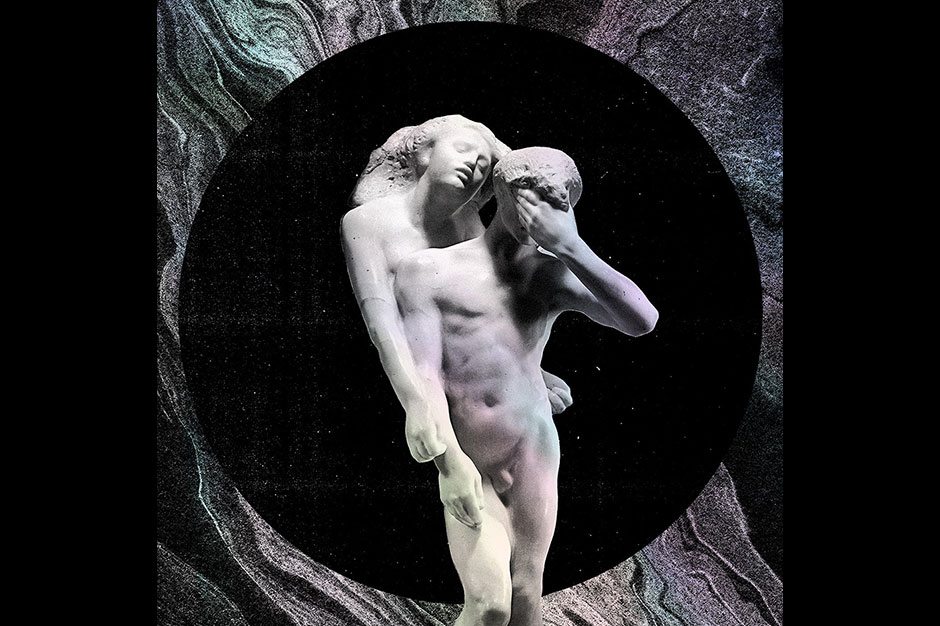
Each half of the record plays its own part in this nighttime obsessed, nearly vampiric vision that Arcade Fire has assembled. Side 1 is rooted in playful, hard-edged, semi-ironic rock, while side 2 is more sprawling and ambitious. The odd stylistic musings start to play off of each other through subsequent playthroughs, and a fascinating world soon comes into grasp. With the exception of “Reflektor”, “Afterlife” and possibly “Porno”, these songs aren’t singles, and will prove to be disappointing when listened to in isolated instances. No one is going to love every track on this album as an individual entity, but there’s also no track here that deserves to be cut; that would be like slicing off a piece of the Orpheus and Eurydice sculpture depicted on the cover art. While every song isn’t perfect, taken as a whole they add up to be more than the sum of their parts, and form a statement that is utterly unmovable.

If their output from Funeral to Neon Bible to The Suburbs represented a logical story arc, Reflektor represents a time neither before nor after. Instead, it travels on its own distinct wavelength, and in doing so is but an outside reflection of their previous work. It’s a glance at Arcade Fire from a stinted angle, a view of their sound if it was never their sound to begin with, the rebirth of their souls upon another canvas, but most of all, a complete success.

Track Listing:

1.) Reflektor*

2.) We Exist*

3.) Flashbulb Eyes

4.) Here Comes The Night Time*

5.) Normal Person

6.) You Already Know

7.) Joan Of Arc

8.) Here Comes The Night Time II

9.) Awful Sound (Oh Eurydice)*

10.) It’s Never Over (Oh Orpheus)*

11.) Porno*

12.) Afterlife*

13.) Supersymmetry

Album Highlight – *

Official Site.

Filed Under: ENTERTAINMENT, MUSIC, OPINION, REVIEWS Tagged With: Album Review, arcade fire, Art Rock, JAmes Murphy, merge, reflektor, Win Butler

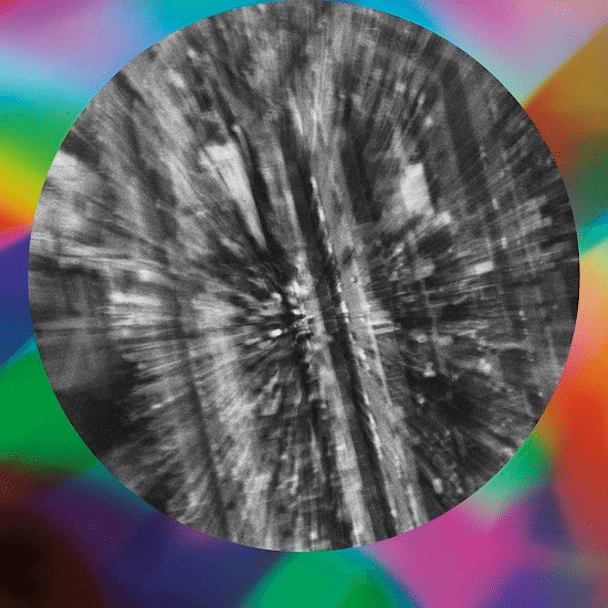
Album Review: Four Tet – Beautiful Rewind

by Rio Toro

untitled

Four Tet: Beautiful Rewind

Similar Artists: Caribou, Mount Kimbie, Burial

Genre: Electronica, IDM, Jungle

Label: Temporary Residence


It’s hard to remember that there was a time (not too long ago in fact) where Kieran Hebden didn’t make dance music. True, his music has always had a certain bounciness to it, and his playful melodies have always been inspired by EDM, but it wasn’t until recently that he embraced the circling repetition of techno and house to go along with his unique mix of psychedelic sampling. While all of his full length releases have boldly showcased a sense of stylistic progression, 2011’s beautiful, minimalist There Is Love In You felt like a real game changer for the artist, and one that would surely garner him much attention in the club circuit. There’s been no shortage of Four Tet since then — many of his singles were compiled on last year’s excellent Pink — and his collaborations with friends such as Thom Yorke and Burial have also been in near constant supply, so this release stands as yet another mark of his prolific nature.

Beautiful Rewind — which was released by surprise with little commercial support — is a more inward looking Four Tet record than we have become accustomed to. It’s also one less likely to incite dance floor intensity. The record aims to revitalize the sounds that have affected Kieran himself, and inspired him to be an artist, which makes this a personal record of sorts. Don’t worry too much though, as the album is still prone to make you move — just in quick, 3 minute bursts rather than 10 minute stretches. While it is a bit disappointing that the tracks are never lengthy enough for the listener to become fully indulged in a solid groove, the shift lets Four Tet show off his versatility. Additionally, the several short interludes spead through the album give it a distinct, home listening feel relatable to his earliest solo LP’s such as Dialogue and Pause. Still, after the forward thinkingness exemplified through the whole of his career, Beautiful Rewind is the first record in Four Tet’s discography to look to the past for its inspiration. Consequently, it feels like a less essential — albeit still thoroughly enjoyable — inclusion to his work.

It isn’t merely a rehash though, as Four Tet’s sound has advanced in some noticeable ways. One of the defining traits of the album is the influence of UK pirate radio stations from the 80’s and 90’s. Tracks like early single “Kool FM” and “Buchla” see Kieran working with grimier vocal samples and rougher underlying beats than we have heard from him before. Possibly the best track on the album, “Aerial”, sees a lo-fi sample of an MC shouting slurs beneath a wonky synth rhythm. There’s actually some real ugliness to the sounds on this record — which is an adjective I would have never previously thought to have used in accordance with Four Tet. Kieran shows off his genius by making these sounds work with his old ones, once again proving that he can excellently meld disparate genres into one.

The other half of the album, however, is a return to the beautiful synthetic rhythms and female vocal samples that were perfected on There Is Love In You. The back and forth design of the 11 tracks gives the album a bit of a disjointed feel — even when each individual track is tightly knit. While the botched together presentation was likely intentional (to make it feel like we were listening to a radio station), it doesn’t make for a very focused listening experience, as the tracks fall into two categories: the ones that stand out, and the ones that don’t. While there are certainly tracks on Beautiful Rewind that manage to recall the best of Four Tet, there is so clearly nothing that transcends it.


Track Listing:

1.) Gong

2.) Parallel Jalebi*

3.) Our Navigation

4.) Ba Teaches Yoga*

5.) Kool FM*

6.) Crush

7.) Buchla

8.) Aerial*

9.) Ever Never

10.) Unicorn*

11.) Your Body Feels


Album Highlight – *

Filed Under: ENTERTAINMENT, MUSIC, OPINION, REVIEWS Tagged With: Album Review, beautiful rewind, electronica, Four Tet, kieran Hebden, temporary residence

Album Review: Tim Hecker – Virgins

by Rio Toro

142142

Tim Hecker: Virgins

Similar Artists: Ben Frost, Oneohtrix Point Never, Jacaszek

Genre: Experimental, Ambient

Label: Kranky


Glass chambers, creaky floorboards, shipwrecks, brightly lit hallways, rooms that neither end nor begin, the pull of empty space, unknown aircrafts flying over head, smashed mirrors, melted canvases, forgotten buildings embellished in dust, bomb shelters, endless streams of molecules, trains crashing, ricocheting fragments of metal, minefields bursting apart the earth, solar eclipses, heavy breathing, a killer with a knife, torn pages from a historical manuscript, broken hospital monitors, seeing the fear in your victims eyes, stranded on an island, isolated, all viewed through a wide angle lens.

Once again, Montreal based composer Tim Hecker — whose music has grown increasingly demanding throughout the course of his seven full lengths — has given us a visually striking cinematic experience, and also, quite possibly the next landmark in ambient music. While chronicling his entire course up to this point might prove worthwhile, I will digress by starting with his last solo release, Ravedeath 1972. Listening to Virgins, It’s now clear that that album — which was notoriously crafted from a single organ performance — was the true changing point for the artist, as it’s where he found the perfect balancing point between his competing themes of light vs. dark. The mood he has continued to create here is one that’s steeped in a remorseful yearning, and his sound is one fueled by a disintegrating orchestra — each instrument violently clambering to find their proper place within the mix. While it’s occasional abruptness may be too much for some listeners, the emphasis on bright textures and heavenly overtones makes it more beautiful than ear clenching.

While he had a rather large following before 2011, the warm critical and commercial reception recently befitting his name has allowed him a larger sense of freedom on this release. This release has also availed him to the necessary production costs to take his style to heights that were previously only hinted at. Just listen to the opening track, “Prism”; within seconds we are thrown into the disarray of mountainous feedback and a string section being turned inside out. It’s the sounds of an artist who’s grown fearless, and one who is free of restraint. He’s evolved in other ways too, as evidenced by “Live Room”, one of the artist’s most spacious and detailed arrangements yet.

So you’re probably wondering what all that mumbo jumbo I put in the first paragraph is about. While I won’t explain all of it, it goes along with the scattershot, yet somehow still unified track sequencing of the album. This is in direct opposition to Ravedeath 1972, which I felt to be an album that flowed seamlessly and uninterruptedly throughout its running time. Unlike the goal of many ambient artists, Virgins represents the soundtrack to a movie that could never exist. It’s a soundtrack that provides countless scenarios and visualizations, all of which have blown up at the seams, damaging any valuable information we would have needed to put them all together. It’s a move that makes his music more jarring than typical ambient music, but also arguably more listenable and engaging.

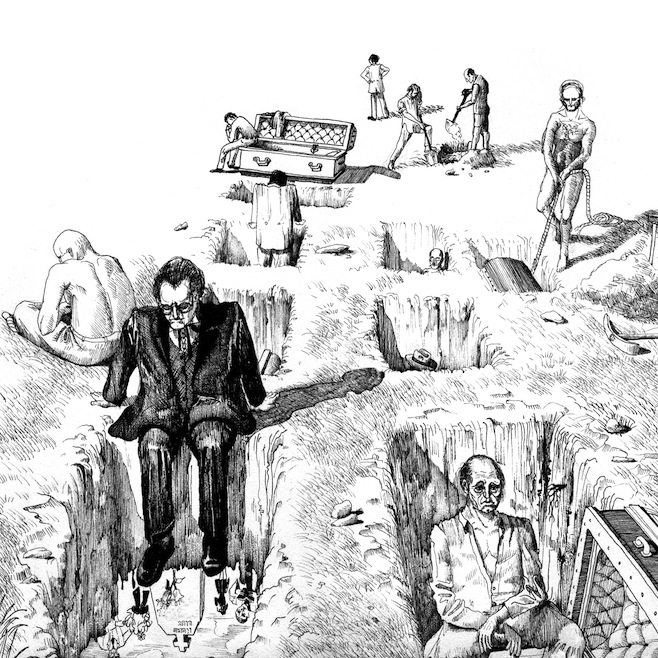
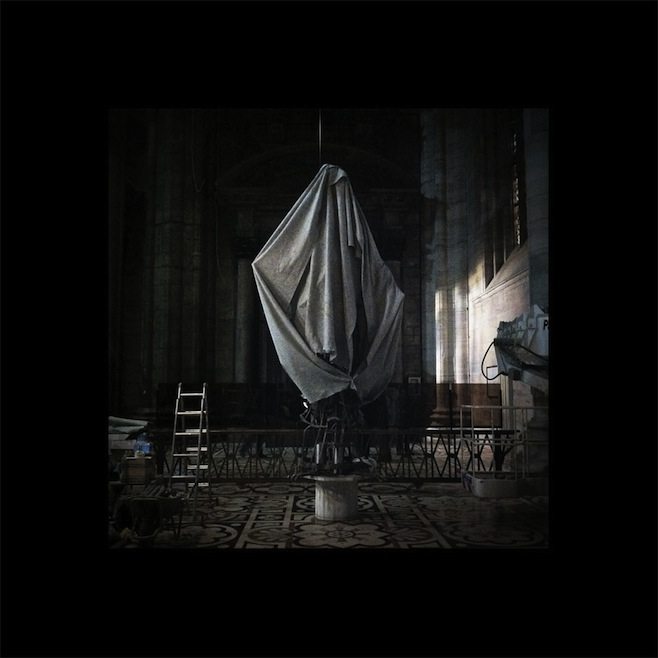
Largely due to the expanded instrumentation, Virgins is easily the most enthralling Tim Hecker release yet. Created through a series of live recordings in rooms, the sounds of various woodwinds, strings and pianos become meshed and intertwined into a disorienting — but never cacophonous — whole. Piano no longer acts as a faint reminder of human world, as it is now enmeshed within the chaos, and provides its own kind of twisted sacrificial bond with the listener. Never is this more apparent than on the 2 “Virginal” pieces, in which a piano is looped and overdubbed to a terrifying effect. If you couldn’t tell from the cover art alone, the album isfar from the innocence its title invokes. Other tracks are based in more standard ambient fashion (“Amps, Drugs, Harmonium”), but there is always something strange lurking in the background to prevent us from completely characterizing these tracks as one definite thing.

I keep being reminded of scenes from Gravity when I listen to Virgins, especially during the slow build of “Stigmata II”. The infiniteness of space presented in that movie proves to be an accurate reference point for the obtuse presentation of the album, and the two are similar in their themes of isolation and desperation. Like outer space, Virgins is a place that exists on a never ending plane, it doesn’t make sense when we attempt to study the finer points of it, but we can’t help but be amazed by its vast features regardless. Above any interpretation though, this is music about harnessing a particular feeling. It’s not experimental music in a topical sense that was made to sound “cool” or “trendy”, but rooted by the process intrinsically to evoke a certain emotional response. If you had any doubt that he wouldn’t top himself, with Virgins, Tim Hecker has crafted his most engrossing album yet.


Track Listing:

1.) Prism*

2.) Virginal I*

3.) Radiance

4.) Live Room*

5.) Live Room Out

6.) Virginal II*

7.) Black Refraction

8.) Incense at Abu Ghraib*

9.) Amps, Drugs, Harmonium

10.) Stigmata I

11.) Stigmata II*

12.) Stab Variation


Album Highlight – *

Filed Under: ENTERTAINMENT, MUSIC, OPINION, REVIEWS Tagged With: Album Review, ambient, experimental, kranky, tim hecker, virgins

Album Review: Darkside – Psychic

by Rio Toro

DARKSIDE-PSYCHIC

Darkside: Psychic

Similar Artists: Pink Floyd, Eric Clapton, Ricardo Villalobos, Nicolas Jaar

Genre: Experimental, Downtempo, Blues, Psychedelia

Label: Other People/Matador


I’ve spent a good deal of time wondering whether Psychic, the debut album from Darkside — a collaborative project between experimental electronic wunderkind Nicolas Jaar and blues guitarist David Harrington — should be compared to Jaar’s previous work. This question specifically relates to the album Space Is Only Noise, which in recent years has become something of a classic among downtempo electronica. It must be said, the music these two are making here is pretty out there, and it’s clear Jaar is trying to escape his already unorthodox roots by immersing himself in something that is even harder to put your finger on. Why someone would want to escape the near unanimous praise of their debut album is another question all together, and probably one worthy of a separate article.

Darkside is an odd pairing not because it can’t be compared to the artists’ previous work, but because Jaar’s psychedelia inspired electronic noodling is paired against such traditional 6 string guitar riffing that it is at times laughable; the Clapton-esque “Heart” is particularly hard to take seriously. This feeling comes out from Jaar’s vocals as well — which by the way have never sounded as gorgeous — and his tone carries a sense of intended irony on tracks like “Paper Trails”. It’s not off-putting, just curious, as it makes one wonder if the entire project is intended to be a parody of Pink Floyd records.

This intentional self-parody is not a consistent force through the length of the album though. Most of the album — including the 11 minute opening track, “Golden Arrow” — is dead serious, and it can at times be forceful enough to throw you out of your chair. Before I get nitpicky, I must state the album’s most obvious claims: the production and mixing here are utterly flawless. The sounds are palpable in their thickness and magnitude, and although the tone is often “dark”, every element is enshrined in a warm and radiant overcoat. At it’s best, Psychic is an album with loads of personality.

Unfortunately, the album as a whole can’t be called very personable. It’s an album that’s just begging for you to listen to it while under the influence, because once you are, you’ll likely be sucked in from the first note to the last. Unfortunately, it doesn’t impress quite so easily in our native world. Although the 60’s inspired guitar lines are easy to poke fun at, there could actually be more of them, as too often are we suspended among suspecting ambience. It’s during the most maximalist moments — where the heavy baseline pours in and the groove sticks to a solid 4/4 — that turn out to be the most arousing. “Freak, Go Home” might be the track that is most relatable to the Nicolas Jaar of yore, with its slyly delectable house motifs and morphing Villalobos inspired backdrops. “Greek Light” is another highlight, and we see Nicolas Jaar’s yearning falsetto take on a new role as his voice becomes looped within itself and draped against sun-drenched guitar chords.

The album is filled with great ideas such as these, but it’s only “Golden Arrow” that can rightfully stand on its own. It’s a beautifully evolving track that evokes mystery and entrigue amongst carefully thought out musical dynamics. If the rest of the tracks are the sound of Nicolas Jaar And Dave Harrington jamming and experimenting in the studio, “Golden Arrow” feels like a thoughtfully planned out spectacle of musical precision.

When I first heard of Darkside, I wasn’t particularly excited for the project, and their initial 2010 EP didn’t happen to raise many of my hairs either. Psychic, however, makes it clear that the project can work wonders if enough thought is put into the compositions. Nicolas Jaar has succeeded (again) in remaining an unpredictable musical figure with a bountiful array of talent. As this channels a new kind of energy than his previous work, it also shows the importance of collaboration in terms of broadening an artist’s longevity. While it’s just shy of being a complete statement, it does nothing but complement its creators attributes. For those who think that Nicolas Jaar is one of the most important producers of our time, this does nothing to change that.


Track Listing:

1.) Golden Arrow*

2.) Sitra

3.) Heart

4.) Paper Trails*

5.) The Only Shrine I’ve Ever Seen

6.) Freak, Go Home*

7.) Greek Light*

8.) Metatron


Album Highlight – *

Filed Under: ENTERTAINMENT, MUSIC, OPINION, REVIEWS Tagged With: ", Album Review, darkside, David Harrington, experimental, Nicolas Jaar, psychedelic, psychic

  • « Go to Previous Page
  • Page 1
  • Page 2
  • Page 3
  • Page 4
  • Interim pages omitted …
  • Page 7
  • Go to Next Page »

Primary Sidebar

Navigation

  • HOME
  • OPINION
    • REVIEWS
  • BUSINESS
  • LGBT
  • ENTERTAINMENT
    • ARTS
    • MOVIES
    • MUSIC
    • TELEVISION
    • THEATRE
  • LIFESTYLE
    • TRAVEL
    • FASHION
    • HEALTH
    • FOODIE
    • STYLE
  • POLITICS
  • SCIENCE
  • SPORTS
  • TECHNOLOGY
  • U.S.
    • NEW YORK

Footer

  • ADVERTISE
  • TERMS OF SERVICE
  • CAREERS
  • ENTERTAINMENT
  • Home
  • Contact
  • Legal

Copyright © 2026 · ManhattanDigest.com is run by Fun & Joy, LLC an Ohio company · Log in

Loading Comments...