• Skip to primary navigation
  • Skip to main content
  • Skip to primary sidebar
  • Skip to footer

Manhattan Digest

All you need to know about Manhattan culture and so much more...

  • LIFESTYLE
  • ENTERTAINMENT
  • LGBT
  • OPINION
  • TECHNOLOGY

Peter Foy

Netflix’d: Dogtooth | Netflix Movies | Horror Movies

by Peter Foy

Netflix Dogtooth Horror Movies

Director: Yorgos Lanthimos
Writer: Yorgos Lanthimos and Efthymis Filippou
Country: Greek
Year: 2009
Running Time: 97 minutes
Starring: Christos Stergioglou, Michelle Valley, Aggeliki Papoulia, Mary Tsoni, Christos Passalis
Genre: Arthouse, psycholocial horror movies, dark comedy
Similar To: Funny Games, Attenberg, early Cronenberg

Dogtooth is a movie I’ve wanted to write about for quite some time for my Netflix’d column, but it’s just I previously hadn’t been able to think of precisely the right way to explicate on the film. It’s one of my favorite movies of the last few years, and a film I find so rich in thematic material, yet when ever I’d find myself trying to do a write-up on the film I’d usually find myself simply coming up with two or three blase sentences, shrugging, and then deciding it was a fool’s errand and simply giving up on it. I feel that most people that have seen the film will also attribute that it’s certainly not an easy work to cover, especially from one who can hardly be called a film scholar (it really hurt for me to say that), and besides there are countless other critiques and essays on Dogtooth littered throughout the internet that probably elaborate on the film better than any 900-word piece I could fart out. Still, there was a nagging feeling this whole time in my head, and it was simply this: I don’t think I could ever do this critic shit professionally if I can call a film review-proof! Therefore, after quite an extended period of brain storming (I originally hoped to have this post be a seasonal one for Halloween), I think I’ve finally found the satisfying means to review Dogtooth, and just in time for the holidays too! Feel free to read this piece as my Christmas recommendation…moving on then.

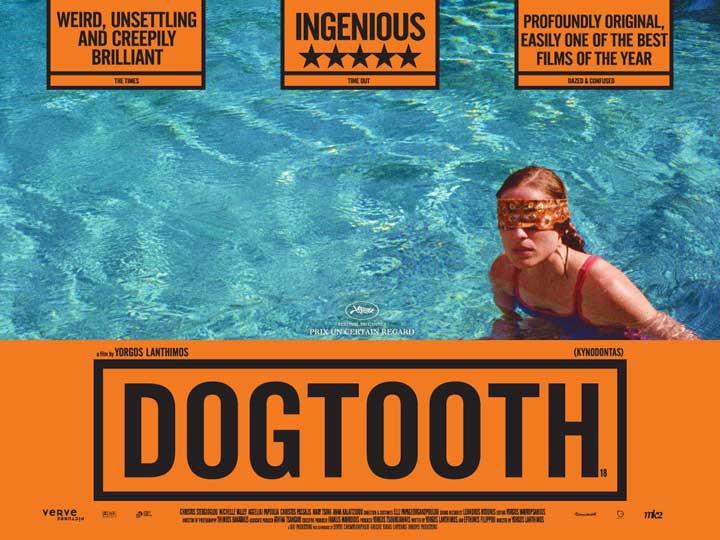
Dogtooth is the second feature length film from Greek director Yorgos Lanthimos. The film follows a rather peculiar case of a married couple that has kept their three children (a son and two daughters, now in their 20s) isolated from the outside world, and through various unusual methods. Not only do they not allow their children to leave the premises of their compound home, but they also educate their children with false information and answer their questions about life that we as viewers know to be completely absurd and false. One outside factor that visits the couple’s offspring, however, is a woman named Christina who is brought in to have sex with the son. Christina, however, soon tires of having sex with this literal man-child, and then seeks out the oldest daughter and offers her gifts for sexual favors. Initially Christina’s gifts start out innocent enough, such as a headband, but eventually she brings the daughter video tapes of Hollywood movies. This finally gives her exposure to the world that is outside her living conditions, and this results in strange behavior from both the children of this family, and their bizarre parents.

Sounds pretty fucked up, eh? As you can guess from the synopsis, Dogtooth is a boundary pushing film that’s not exactly trying to make a clear-cut statement. Lanthimos’ style definitely recalls the early work of directors like David Cronenberg or Michael Haneke, in that the film is often disturbing, yet also always cerebral and dense. For this review I won’t go too deeply into the film’s meaning, as I feel half the film’s merit is allowing viewers to cement their own thoughts on it. I will say that the plethora of interpretations I’ve read all seem valid for the most part, and the film’s most ostensible theme, on the futility to escape society in this day and age, is the ideal adhesive to carry the film’s other troubling topics.

The film’s craft, however, speaks volumes for it’s quality, even if the film’s messages elude you. The film’s tone is suitably gritty, but it’s also very humorous too. The mannerisms on the characters are highly exaggerated, and it’s clear that realism isn’t a primary concern here. Some of the best scenes in the film come when we see the three children re-enacting scenes from popular American movies, such as Jaws, Rocky, and Flashdance. In fact, these light-hearted moments make the film’s more intense scenes all the more unexpected, and disquieting. The film has several scenes of rash brutality to it, which find us seeing these characters performing some truly unspeakable acts on one another, and even to themselves. Still, Lanthimos knows when to pull back, and none of the bloody scenes in the film last very long. Lanthimos even winks at us that some of this violence is meant to be schlocky, rather than shocking. It’s a film that walks a tight-rope between ostentatious art, and playful b-movie theatrics, but it will certainly impress anyone to see how nimbly it moves between these two counterpoints.

So in the end, I wrote a review that was as brief and to the point as possible, as I feel it’s a film that speak more for itself than some silly long essay could. Very few films I’ve seen (even European ones) are as wickedly funny, perverse, dense and mercilessly thought-provoking in equal measures as Lanthimos’ film is, and it’s very likely that this film will act as the blueprint for the rest of his filmography. Hell, his second film Alps’ (which is pretty damn good in it’s own right) most noted criticism was that it was too similar to Dogtooth, which the director has pointed out was more or less intentional. Still, who could really blame someone for trying to replicate this stroke of twisted genius. It’s not for everyone, but this is contemporary art cinema at it’s most original,  and varied.
Filed Under: ENTERTAINMENT, MOVIES Tagged With: Arthouse cinema, Dogtooth, European films, Greek

A Month With Three of the Year’s Best Video Games.

by Peter Foy

This is my first writing piece in a while. In fact, it’s been just over three weeks since I made my last contribution to Manhattan Digest, and this lack of output on my end has been a real thorn in my side. I always like to keep active as a writer, and in a timely matter, but for some reason November just hit me with a bad case of writer’s block, and admittedly a little bit of a depression too. I honestly found myself uninterested in going-ons in the world of film and music which is a shock to me as much as it is for you, and I did find myself rapidly looking for a new fix. That new fix turned out to be a retreat into an old past-time of mine: video games!

I’ve often told people that I’m about an eighth of the video gamer that I used to be, but I’ll also be first to admit that the vicarious thrill of of enacting digitized violence in video games can be oh so nourishing (name a video game where your favorite weapon isn’t the shotgun), and it actually felt good to return to this old comfort zone of mine. In this past month I’ve played through The Last of Us, Grand Theft Auto V, and Bioshock Infinite, the three acclaimed games that popular consensus would seem to say are 2013’s most likely Game-of-the-Year candidates.  I have to say it was quite an experience to play all of these games, and the order in which I did certainly paved me back to the direction I so desired

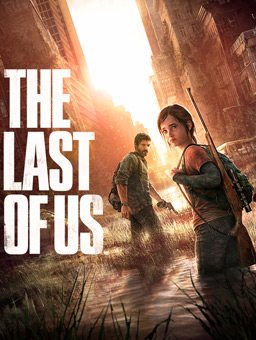
The Last of Us

TheLastOfUs

Genre: Third-Person Action – Survival Horror

Publisher: Sony Computer Entertainment

Developer: Naughty Dog Software

Systems: PS3

Synopsis: 20 years after a viral outbreak began turning people into raving flesh eaters (call them zombies if you will), an aging survivor named Joel must traverse a disparaged America with a young teenage girl name Ellie, who might carry a cure to the virus inside her.

My Thoughts: While all three of these games turned out to be well worth my time, I’d have to say that this is the one game in the trinity that really, truly lives up to the hype. Granted, I don’t know if I’m the utmost authority on the matter, but in hind sight it would appear that The Last of Us really is an A+, and as close to perfection as modern video games get. It’s a game that’s devoid of a dull moment, but most impressively it tells a very emotional and shocking story, that is only enhanced by the gameplay.

The post-apocalyptic scenario has been done innumerable times over the last few years, that it’s hard to think there is anything more to mine from it. Instead though, The Last of Us makes the genre feel fresh again, by setting the action in the story 20-years after the outbreak hit, and also focusing on a very complex dynamic between it’s two main characters. Taking on the role of Joel, a broken man who has lost everything to this world gone mad, as well as Ellie, a teenage girl that is immune to the virus, we see them form a huge bond over a trek that takes nearly a year. Everything in the story seems so realized, including twists and chapter transgressions that complement your intelligence rather than insult it, to gameplay that is often challenging, never repetitive, and always fun. You really do feel like a survivor in the game, as your ammo and health supplies always run the risk of running out, but the combat is brutal enough to give you the feeling of being a real bad-ass. You really feel the plight of these two characters during their harrowing journey, and it’s also beyond commendable once you realize that your character of Joel may not have the primary objective of saving the world. Dare I even call this game psychologically dense?

Not to give away much, but by the time you reach the ending, your gonna have a hard time believing what you just witnessed (and did). It’s one of the most ballsy endings I’ve ever seen in a video game, and that alone is enough to label Naughty Dog as the best developer of this generation of gaming. While the company found gargantuan success both critically and commercially with it’s Uncharted trilogy, even those games feel amateurish and tame when compared to the The Last of Us. It truly is a game for the ages, and I’m hoping we never see a sequel to it, just so we can preserve it’s legacy in a singular and unaltered form. So if you haven’t guessed, I reallllllllyyyyyy loved this freaking game, and it raised my standards for quality gaming by quite a bit. In a way, it did to video games what The Wire did for me and television.

Grade: A+

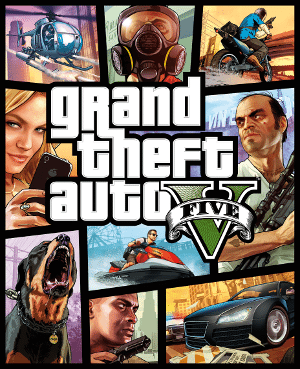
Grand Theft Auto V

Grand_Theft_Auto_V

Genre: Third-person action – sand-box

Publisher: Rockstar Games

Developer: Rockstar North

Systems: PS4, Xbox 360

Synopsis: Three criminals find themselves in circumstances beyond their control, and have to perform a series of heists and robberies together.

My Thoughts: Grand Theft Auto is pretty much the one video game franchise I still regularly follow. Whenever a new entry in the series hits home consoles (as I don’t own any portable systems), I find myself playing the shit out of the goddamn game. My commitment to this series definitely stems from my interest in crime fiction stories, but I also feel that the writing, design, and game mechanics for Grand Theft Auto is always top-notch, and really speaks to the movie lover in me. Thus, I’m not surprised to say that yes I did indeed love the latest entry in this venerable series, and if it’s not my all time favorite Grand Theft Auto game, than it’s pretty damn close.

The series has received most of it’s accolades for giving players so much freedom, and gameplay options. Grand Theft Auto V not only ups the ante by introducing it’s biggest world yet, but by also incorporating plenty of options for how one can go about the story. It was truly an ingenious move on the developers part to make Grand Theft Auto V the first game in the series to give players the ability to switch between three different characters, and even more brilliant to decide the game would have a central focus on heists. All five of the game’s big heist missions (which can all be planned and executed in various ways), are so much fun to play and watch, and the fact that your constantly switching between characters (who all have a different feel to them) really makes players feel like their playing the movie Heat (albeit a cartoony one, that has a much larger body count).

Still, what really kept me coming back to the game was not the gameplay mechanics, but for the writing instead. It’s obvious right from the beginning of the game, that Rockstar is trying to lampoon Hollywood and contemporary America, from the hilarious dialogue, to the R-rated parodies on celebrity life-style, to main character Michael’s constant jabs about how movies are so much better than video games. There’s certainly a lot of ground to cover if the game wants to ridicule our country yet at the same time recognizing it’s appealing stature, so what better venue to do it than in a giant sand-box game that’s modeled off of Los Angelas. It’s hardly subtle in it’s views, but it does it in such an intelligent way, such as giving the game an aesthetic that recalls the 80s, a decade I find to be far more superficial than the one we’re in now. I for one feel that Grand Theft Auto V ‘s social commentary is doing exactly what Harmony Korine’s film Spring Breakers tried to do, by both fantasizing and exposing the rampant excess that exists under America’s candy-coated media-saturated surface. It all adds weight to the game’s main story too, and it makes sense (at least in the games hyper exaggerated world) why these characters are performing these crazy heists and criminal acts. In fact, when you reach the main quest’s finale (which I won’t be spoiling) gamers might want to go for the two “tragic” endings instead, just to see how this crazy pulp-fiction world is able to actually give us some well thought out drama. I blame this game and Breaking Bad for my recently revived interest in crime fiction.

Issues that people have had with the previous entries in the series (virtually indestructible cars, monotonous driving sequences, an occasionally inefficient aiming system) are still more-or-less present here, but in the end it hardly matters. Rockstar knows precisely what their fans want from a Grand Theft Auto title, and this one gives them all that and more.

Grade: A

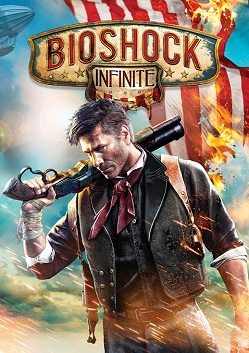
Bioshock Infinite

Official_cover_art_for_Bioshock_Infinite

Genre: First-Person Shooter

Publisher: 2K Games

Developer: Irrational Games

Systems: Xbox 360, PS3, PC

Synopsis: Set in an alternate version of 1912, a rogue named Booker DeWitt finds himself in immense debt, and his asked by his suitors to travel to the floating city of Columbia, and bring them a young girl named Elizabeth whom is being held captive. Upon rescuing the girl, he discovers that this girl has some truly majestic abilities, and the two work together to hold off the seemingly endless army reserves that the city of Columbia throws their way.

My Thoughts: I’m so glad I saved my play-through of this game for last, and I’ll get to that in just a second. The original Bioshock is one of my favorite games of this generation. It was a highly imaginative game that was often creepy and enigmatic and is almost solely to blame for the bizzaro-retro aesthetic that many games have carried since. Still, it didn’t sacrifice fun gameplay for it’s enticing style, and I might even go as far to say that Bioshock is the most exemplary first person shooter to come out since Goldeneye on the N64. I became excited that this sequel to the game would be taking gamers to a different city, especially after Bioshock 2 failed to impress. Unfortunately, Bioshock: Infinite is the one game of this 2013 trinity that I happened to find disappointing.

My main gribe with the game is that it lives too much in the first one’s shadow, which would be fine, it’s just the game doesn’t really elaborate on things in quite the same was the original Bioshock did. While sure, the story becomes less vague as it goes along, and observant players will discover the special voxophone recordings throughout the game that give more details into the world’s backstory, but we don’t really ever understand why Elizabeth holds such god-like powers (no less why she couldn’t excape on her own!), or how it’s connected to this floating city in the sky. Also, while I knew the ending received a divisive reaction months before I played it, I honestly think it’s one of the most ridiculous conclusions I’ve witnessed in a game in quite some time, if only because it seemed to feel like it was being poetic, while in reality it felt like M. Night Shymalan had directed a Disney film.

Don’t get me wrong though, as there’s still plenty to like in Bioshock. The world is simply a marvel to look at, combat is often fun and visceral, and at times the game has the flourish and sense of humor you’d find in a Terry Gilliam film (i.e. Brazil). I also like that they gave your character a voice in this game, as in the original game you played an unnamed and silent protagonist which worked for that game’s design, but this one definitely needed a change of pace in that regard. It’s also worth noting that I played the game on the normal difficulty setting, and I found it extremely easy, as not only is it impossible to die in the game (a fault I had with Bioshock, admittedly), but the power-ups and upgrades you receive throughout the game are very powerful and often lay waste to enemies quickly. So in essence the game is more a visual rollercoaster than anything else, but then again I can’t think of too many other video games that can present themselves as such, and work in the way this one does.

Grade: B-

Conclusion

I certainly enjoyed my excursion from my daily tv and movie viewing prerogatives, but it also feels like a weight off my shoulders to have played these games to my satisfactory level of completion. As explained previously, I traded in my gamer card for that of a cinephile, and I really don’t think that video games will ever reach the storytelling potential that movies do, but it’s great to see developers are trying so damn hard at it. As you can tell, I feel all three of these games are worth your time and money (a bit more hesitantly for Bioshock: Infinite though), and they all make great Christmas gifts. Hell, if I find myself snowed in during the next few months, I feel I could be giving these games another visit…although movies are more important, right?

Filed Under: ENTERTAINMENT Tagged With: Bioshock, Bioshock: Infinite, First Person Shooter, grand theft auto V, PS3, Sandbox game, sony, The Last of Us, video games

2014 Oscar predictions: Whose got the best shot?

by Peter Foy

And the Oscar race begins…

Damn, we’re in mid-November already? The Oscar race is in full swing, and we have all the familiar parties present and accounted for, and in just two months we’ll know for certain who’ll be running the final lap to the Oscars, and wasn’t it just last week that I had seen Before Midnight, and was telling everyone it was a shoe-in for best picture…well, at least my best picture. As astounding in craft as that film was, it just looks too European and arty to fit the Academy’s definition of prestigious, plus it came out way back in May. As much as I’d like to tell you that the whole theory about awards season is a myth, it’s just irrefutable that the Academy pays select attention to films that come out during the October-December period, and no matter how great a summer release is, it’s integrity it likely to diminish in the eyes of Acadamy members when it comes time to cast their votes. A shame indeed, but all is not lost, as it looks like this year might see quite a few people taking home a little golden guy for the very first time, and be every bit deserving the honor for their hard work as well. Here are my thoughts on how surprising and not so surprising some of the categories for the 86th Academy Awards will be.

Best Foreign Film

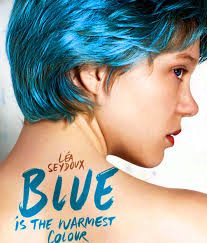
blue-colour
Blue is the Warmest Color will definitely be nominated, and there’s little doubt that it will win also. It was the first film at Cannes to win the Palm d’Or for both directing and acting, and it’s reception has been overwhelmingly positive. What’s more, the film has been doing very well for an NC-17 rated French film that is only being played in a handful of theaters throughout America, and this is something the Academy is certain to notice. However, the Iranian The Past does have a shot, as director Asghar Farhadi’s 2011 film A Separation won for this category two years ago, and it’s possible that Academy voters will find more merit in a film that focuses on characters in an older age group.

Best Director

Adobe Photoshop PDF

Noah Baumbach, Destin Daniel Cretton, James Ponsoldt, and Richard Linklater should all be nominated in this category…but they all almost definitely will not. It’s the same thing every year, as we tend to see quite a few great indie/arthouse filmmakers get snubbed in this category just cause there films don’t tend to fit the frame work that the Academy prefers (it also doesn’t help that they all released their films during the summer months). Instead you can expect the usual suspects to be nominated here. The likes of Martin Scorsese, David O. Russel, and the Coen Brothers are likely to take up 3 of the five slots, but maybe we can expect two irregulars as well. Steve McQueen and Alfonso Cuaron both have equal chances of getting a nomination this year, and it’s rather likely that they both will as well.

Best Actor

Dallas_Buyers_Club_poster

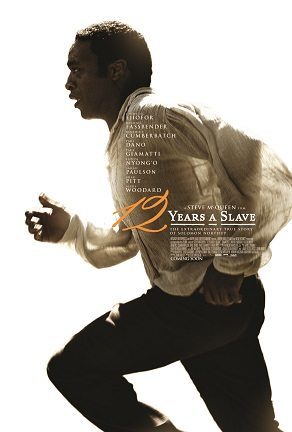
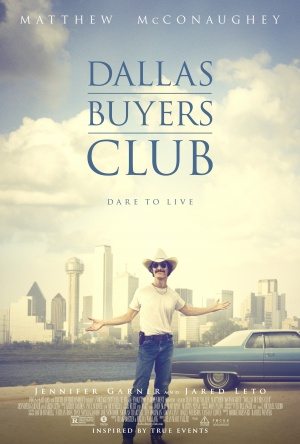
Leonardo DiCaprio, Tom Hanks, and Forest Whitacker are the easy guesses, but there are other likely candidates as well. It would seem criminal not to at least consider Chiwetel Ejiofor for a nomination, after his harrowing portrayal as Solomon Northup in 12 Years a Slave. Matthew McCoanaughey is very likely to receive his first best actor nomination this year (about damn time!), but his characher in Dallas Buyers Club is a little too grimy and diseased to win him the award. Also, it would be satisfying to see Joaquin Phoenix receive another nomination this year, as critics have been saying that in Her he finally plays the sweet and loving character that so many of his previous roles suggested he was so sublimely capable of.

Best Actress

Gravity_Poster

I very much would like to see Brie Larson receive a nomination in this category, as she delivered such a complex and emotional performance in Short Term 12, but sadly I don’t think it’s likely that the Academy will acknowledge a little-seen indie film starring a 24-year old actress previously best known for comedies.  Instead though, we’ll have to look at a veteran actress who starred in an internationally successful film directed by one of Hollywood’s most beloved directors. Those that have seen Woody Allen’s Blue Jasmine must understand that Cate Blanchett is a lock for a nomination (if not a straight up win). Don’t be surpised to see her competing against the likes of Sandra Bullock and Meryl Streep also.

Best Picture

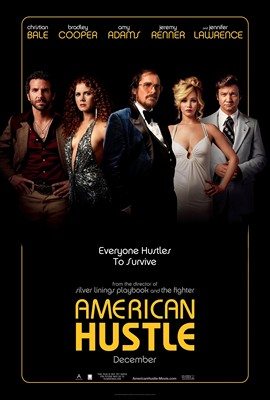
American_Hustle_2013_poster

I’m not a fan of The Academy’s decision to allow more than 5 films to be nominated for best picture. I feel that by including up to 10 entrees in this category, it’s just a desperate ploy for the Academy to try to appeal to all different demographics, and give summer blockbusters (albeit better than average ones) some spotlight come the big day. So you can expect the regular prestige flicks (Saving Mr. Banks, Lee Daniels’ The Butler, The Wolf of Wall Street), along with the slightly more offbeat fare (Inside Llewyn Davis, American Hustle, Nebraska), along with one or two films that are more in the realm of genre (Gravity, The Hobbit ). I feel it’s still too early for me to pin-point on who is likely to win or not, but I can tell you one thing: It won’t have Before or Midnight in the title.


Filed Under: ENTERTAINMENT, MOVIES Tagged With: 12 years a slave, American Hustle, Best actor, Best actress, David O. Russell, Foreign Films, Iranian Films, Martin Scorsese, Matthew McConaughey, Oscar Nominations, steve mcqueen

Dallas Buyers Club Review- Negative/Positive?

by Peter Foy

Dallas_Buyers_Club_poster

Sometimes it feels to me that every year a mainstream Hollywood film comes out that I can describe as such: it’s a solid overall film with a fantastic leading man performance, it’s just the main character is an unlikable douchebag. This perceived trend dates back as early as 2009, when the Michael Douglas vehicle Solitary Man premiered. Upon seeing it, I found myself recommending it, yet at the same time wondering how I could have enjoyed spending an hour-and-half of my time watcing a vile 54-year-old sexual predator. After giving it some thought, I decided it had to rest solely on Michael Douglas’ winning performance, and I took it as a mark that he was one of the few actors in Hollywood that could carry such a film. Soon after, along came Greenberg, and Flight which featured two other big Hollywood names (Ben Stiller and Denzel Washington respectively) playing central characters that were reprehensible in a similar fashion. Once again, I did find myself liking these movies, and pressing on that it must have took truly adept acting in order to make these films work. Now, 2013’s addition to this canon would appear to be Dallas Buyers Club, and I would say it is actually quite a bit better than the previous ones. It could have to do with the fact that it holds weight for being a true story, or that it’s subject matter on AIDs and health-care is very relevant. Still, it hard for me to shake off that once again this is a film that rests on a great leading man performance, and star Matthew McConaughey might just be the most fascinating one in Hollywood right now.


Set in 1986, the film reiterates the true story of Ron Woodroof, a Texan rodeo employee, whose past-times include heavy drinking, cocaine, and promiscuous sex. After a freak accident at work lands him in the hospital, his doctors tell him that after doing some blood tests on him they did indeed discover him to be HIV-positive, and also estimate that he only has about 30 days to live. At first Woodroof scoffs at these claims, but then after having a few unexpected blackouts, and putting into account how rough his lifestyle is, he finally realizes that he must indeed have the virus. At first he takes the doctor regulated drug AZT, which is the only legalized drug for HIV available in the U.S., and nearly dies from it. Upon taking anti-viral medication from outside the states, however, Woodroof finds his condition only betters, and he does indeed survive the 30 days. Soon after, with the help of his doctor (Jennifer Garner) and a fellow patient (Jared Leto), Woodroof starts the Dallas Buyers Club, a business dedicated to giving AIDs victims affordable and efficient medical options, all while combating the powerful pharmaceutical companies of America.

It’s certainly a fascinating subject to carry out in a film, as I feel a lot of people have forgotten how scary the advent of AIDs was on the generation of the supposed sexual revolution. It’s just, it’s a bit difficult to get behind Ron Woodroof character at first as Woofroof is homophobic, self-abusive, and more than a little bit lecherous, so he’s basically the last person anyone would ever expect to carry on the label as being a hero. Fact is that the guy was just bringing drugs into the states to help his own ass initially, and then only begins to sell them for his own financial gain. Only near the film’s end does it seem that he did have any sort of empathy for other AIDs survivors. The film’s message about healthcare in America could have come off as muddled through Woodroof, as he’s really not the most exemplary  person, but there’s also something just so compulsively viewable in him too.

As of this moment, I can’t really think of another American actor that’s had a career revival as stark and eyes-widening as that as Matthew McConaughey’s. Due to his good looks and charisma, the actor found himself miscast in generic romantic comedies throughout the 2000s, but in recent years we’ve seen him take great strides to reclaim the dexterity he established in his earlier films like Dazed and Confused. His recent work in good movies like Killer Joe and Mud showed that he really is more than a pack of abs and a southern accent, but his performance as Woodroof might be his best yet. He’s a dirty man with a dirty mouth, but McConaughey handles it all do delicately with every movement and syllable. He’s so smooth as Woodroof, that in the film’s more comical scenes (such as when Woodroof dresses up as a priest so that he can get through U.S. customs), that we actually find ourselves seeing the character as a bit more affable as he had been beforehand. It truly took a lot of dedication on McConaughey’s part to portray this character, both on a mental and physical level. Those that have been reading entertainment news sources have likely already heard that Matthew McConaughey slimmed down a whopping 47 pounds for this role. Right now, I’m thinking McConaughey is gonna be the actor to beat for best actor come Oscar season.

There’s impressive acting from the people who don’t have alliterations for names as well. Jennifer Garner has seemed to be getting more attention for being Ben Affleck’s spouse in recent years, but here she does a commendable performance as doctor Eve Saks, and we can also be glad that she doesn’t play the love interest for Woodroof. Jared Leto, an actor who received plenty of acclaim from his earlier roles who then most put his career on hold upon the success of his band 30 Seconds to Mars, makes a sturdy come-back performance here. While it’s not unheard of for actors to make a jump-back into the acting game by coming right out the gate playing an eccentric character (and who more so than a drag-queen), but Leto does hold the screen, and it’s clear that he made an extensive physical transformation for the role. Also, while I would like to say something about Jean-Marc Vallée’s directing, I’m finding myself a bit amiss. While his directing is very capable (and reliant on close-ups), it’s just seems to be overshadowed by that of his actors. Dallas Buyers Club is an acting showcase first and foremost, and that’s absolutely fine.

Dallas Buyers Club may not exactly be a great movie. Yes, Woodroof isn’t exactly cute and cuddly, and plenty of people will be calling the film awards bait, as it does play it relatively safe by Oscar movie standards. What it is though is a strong film about an interesting real-life story, and it might be the final straw towards getting naysayers to shut up and admit that Matthew McCounaughey is a damn fine actor already (correction, make that a fucking phenomenal actor!). It’ll be interested to see how McCounaghey adapts to the television medium when we see him in HBO’s new series, True Detective, upon it’s premiere next year.

Official Site

Filed Under: ENTERTAINMENT, MOVIES Tagged With: aids, Matthew McConaughey, Oscar-Worthy Performance

Blue is the Warmest Colour – Queer Cinema for the Art School Generation

by Peter Foy

blue-colour

The NC-17 rating. Since it’s inception in 1991 (replacing the X rating), the MPAA’s most restrictive rating has often been seen as a death sentence. Not only does the rating completely restrict those younger from 17 from seeing the film in mainstream theaters, but also most theaters simply refuse to show such films as well. It’s a rating that’s stigma alone is considered so damning towards a film’s release, that filmmakers have even surrendered their ratings rather than carry that mark of box-office death (Darron Aronofsky’s Requiem for a Dream being one of the more popular examples). Still, there are exceptions to the rule, and sometimes if a film hits enough interesting perks, it can use the rating to pique interest in it. Case in point, Abdellatif Kechiche’s new film Blue is the Warmest Colour.

When the French film premiered at Cannes 2013, it made history for being the first film screened there to win the Palme d’Or for both the director and the lead actresses. A vivid and ambitious story about a romance between two female characters, the film was championed for exploring such taboo subject matter, and for its sensitive acting and film making. Besides this, however, there was also much talk about the film’s explicit sexual content, and many people wondered if the film would indeed receive the dreaded NC-17 upon it’s release in America. Sure enough it did, but if anything that only raised interest in the film. When it premiered last Friday in select theaters in NYC and L.A., it grossed about $101,000 during the weekend with a $25,279 per theater. Seeing that it was spread across only four theaters in the country, that’s extremely impressive. Even more eyebrows were raised when New York’s IFC Center  announced that they would allow high-school students to see the film (one of which included esteemed film critic A.O. Scott’s teenage daughter:  here), and that in the film’s home country of France it only received roughly the equivalent of a PG-13. The attention the film has been getting is certain to make anti-censorship afficionados giddy as the day they let Howard Stern host NPR, and it’s likely the gay community will see this latest film as a breakthrough for queer cinema into the mainstream. Still, I feel that these people should pay less attention to any external nonsense the film might generate, and instead take its merits on its own.

Based on a recent graphic novel of the same name, Blue is the Warmest Colour starts out innocently enough. We’re introduced to Adèle (Adèle Exarchopoulos) a young high-school girl who we can see is having problems. She doesn’t get along with her friends, often finds herself alone in her room, and can’t seem to find herself attracted to boys. In a chance passing-by, however, she discovers Emma (Léa Seydoux) a college-age art student with bright blue-dyed hair, who she immediately becomes enthralled with. Upon meeting her on her first visit to a lesbian bar, the two quickly bond, and their friendship transitions into love. From there, the film follows the relationship these two have over the next few years.

laviedadele-thumb-630xauto-38776

Blue is the Warmest Colour is a film that will immediately strike a chord with today’s youth. Avoiding flashy camera-work, the film mostly captures the environment of daily teenage life through extreme close-ups, that definitely makes the film seem personal. Avoiding too much use of external music in the film, as well as artificial lighting, it could be said that the overall look is natural, and potentially timeless. Still, the film has plenty of references to the past, particularly in regards to literature. Sartre is referenced by Emma as one of her most beloved philosophers, and Adèle says her favorite book is La Vie de Marianne. The allusions may not be entirely subtle, but it’s a nice touch of reminding us that Adèle falls into a long line of romantic heroines (i.e. Anna Karenina)

Both the actresses in the film’s give sensational performances, with particular attention going to Exarchopoulos. The 19-year old actress appears in literally every scene within the film’s sprawling three-hour length, yet not once does she slip in her ability to hold our attention, nor break character. Adèle gives off a great mood of uncertainty and sorrow for her initial scenes, then effortlessly transforms her mannerisms to reflect the joy and arousal she feels after meeting Emma. Léa Seydoux is also a real stunner as Emma, making the character instantly likable, and proving as a wiser and more experienced love interest for the young and naive Adèle. Hell, both actresses should receive enough applause alone for choosing to star in such an edgy film so early in their career as well.

Which does of course bring us to the sex scenes, and in honesty I feel that some of the criticism to it isn’t unfounded. Yes, they are considerably lengthy, as about 15 minutes of Blue is the Warmest Colour is dedicated to love-making, while Raging Bull had about 10 minutes of boxing in it. Also, yes they are explicit, and Kechiche doesn’t skimp on positions and moves her two young actresses can perform on each other. I did find myself wondering if the film needed to present sexuality this up-front and frequent, as I often feel that sex scenes in movies are better done sub-dued, and leaving much to the imagination (I feel Cronenberg does it better than most). Still, it was equally hard to fault the film for including these scenes, as it was trying to be such an honest portrayal of young love. Seeing these two young naked females sprawled upon each other in rapturous displays could certainly feel voyeuristic at times, but it also gave us a better understanding of Adele’s passion towards Emma, a woman who seemed to have truly allowed her to live for the first time in her life. In fact, it might have even made the sex scenes that made the film’s more emotional scenes in the final act really resonate.

The film’s French title translates to The Life of Adele: Chapters 1 + 2, and after I found this out (following the film’s open-ended finale) I began to wonder if that meant that Kechiche had intended for this film to have a sequel to it. Of course, after I took the time to really think about it I realized how naive a thought this was. The title merely symbolizes that this film focuses on the beginning of Adele’s life, and that it will certainly continue past the time the credits roll, it’s just we won’t be witnessing it anymore. Holding that card, I feel that Blue is the Warmest Colour acts as a vivid and spirited reminder to us on the stages we go through during life, and how it can all mean so much to us both in the singular moment, as well as spread out over a life-time. So whether you choose to see this film for it’s controversy, or whether the film itself interests you, I hope that you’ll be able to take away such a notion as you leave the theater. Blue is the Warmest Colour is exactly the type of foreign film we need to spike the Oscar race up a little bit this year.

blue-colour-3

Filed Under: ENTERTAINMENT, MOVIES

12 Years A Slave – Best Film Ever About Slavery?

by Peter Foy

Adobe Photoshop PDF

What is necessary for a filmmaker to do in order to carry the title of auteur? Well, it’s certainly a term that’s meaning has changed over the years, as it was coined by French critics as a way to form a familiar link between filmmakers and literature (auteur literally being the French word for author). Critics have since argued that if a director obtains a unique vision and sense of creativity towards his work than it’s enough to touch on auteur-ism. In my eyes though, that’s a rather vague analysis as most filmmakers have their own distinct directing style. Hell, in that regard you could say Michael Bay is an auteur. For me, an auteur is a filmmaker that has honed their craft in such a way that he’s a most singulary talent, and makes films that only he/she can truly work brilliantly. For that reason, I feel that if Steve McQueen’s third feature, 12 Years a Slave, isn’t quite enough to bestow on him that title, than it’s more than enough to give him ample consideration for it.

For those not familiar with this director, I strongly recommend seeking out his two previous films before seeing this new one. Hunger, was possibly the most impressive debut film of the last decade, and his sophomore feature, Shame, was a no-holds-barred psycho-sexual drama rich both in film theory and intriguing subject matter. His latest, however, is the closest he’s come to making a genuinely great film though. Based on Solomon Northup’s autobiography (published in 1853), 12 Years a Slave is a harrowing account of the real-life ordeal this poor man went through. Set in 1841-1853, the film shows how Northup (Chiwetel Ejiofor), a free black man living with his family in Saratoga, New York, is drugged and sold into slavery by two white men. The film’s title is enough to let viewers know that he will achieve freedom eventually, but the trek getting there is anything but calming.

Steve McQueen’s is a filmmaker who doesn’t hold back, as can be seen with the grim images of starvation that were in Hunger, or the raw sexual content that got Shame the infamous NC-17 rating. 12 Years a Slave is perhaps even more harsh a film, as throughout it’s 134 minutes there really isn’t any levity. 12 Years a Slave shows us the unspeakable cruelty that these poor people had to go through, and McQueen knows just how to handle the material. Several times throughout the film McQueen will utilize lengthy takes to show Northup’s struggle, from a brutal back beating upon his enslavement, to a really ugly scene that comes after an attempt to hang him. Not to give away too much detail, but lets just say after viewing Northup’s survival method, it’s not likely you’ll ever see walking on your tippy-toes the same way again (feel free to say this movie ruined ballet for you).

twelve-years-a-slave-michael-fassbender

12 Years a Slave, however, does have utmost purpose towards showing such rough material. Although born in Britain, McQueen is a black man with heritage from Grenada, so it’s possible that he feels this story has a connection to his heritage and family history. Some people I knew that championed McQueen’s earlier work have complained that this film is far more linear in it’s narrative, and not as rich in symbolism. Perhaps that’s true, but I also don’t think is should not be disregarded that this is his most emotionally stirring work as of yet. The filmmaking shows that McQueen has researched this time very fruitfully, and also wants us to think about how it wasn’t even two centuries ago that the subject matter in this film took place. Some of the film’s best scenes involve the white character doing really appalling things all while remaining entirely stoic, or even giddy. One such example is a part when Paul Dano’s sings a little diddy that’s chorus is, “run nigger, run, yeah you better run away,” over a sequence that shows the slaves working really hard in the dense southern heat. I don’t know about you, but I feel that’s enough to give someone a good ol’ case of white-guilt.

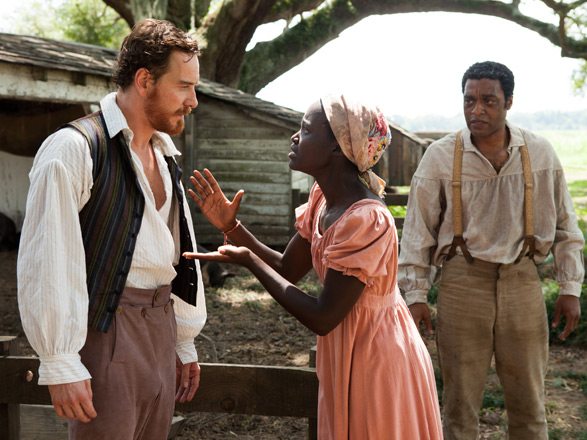
I feel that the majority of the viewing public that have seen the trailers for 12 Years a Slave will almost certainly comment on how the film has an “all-star” cast. It’s a cliched term for sure, and most of the actors in the film have such limited screen time that it would be amiss to call the film an ensemble drama, but we can also be grateful that McQueen assembled such a mighty list of talented actors. Chiwetel Ejiofor holds are attention and are sympathy for the entire film, and hopefully the actor will be receiving more leading roles in the future. It certainly was no surprise to see McQueen cast Michael Fassbender, the star of his last two films, in a central role again here, but it’s certainly evident that the two have a Scorsese-De Niro Chemistry. Fassbender’s performance as Edwin Epps, Northup’s second and even more despicable master, is utterly fantastic, and it’s further proof that his acting ability is best reserved for more low-key film makers like McQueen, as opposed to Hollywood-heavies like say…Ridley Scott.  Other big name actors in the film (Brad Pitt, Paul Giamatti, and Benedict Cumberbatch) have relatively brief roles, but their all necessary in their performances for the film’s overall theme and substance.

As of this writing, I just cannot think of a better film about American slavery than this. Amistad was a noble effort but came off more as Oscar bait than something truly profound,  and while Roots was a landmark series in several ways, it hasn’t aged as well as we might have initially thought it would. It’s funny that this film comes out a year after D’jango Unchained, as I feel now that audiences will be calling this film the serious version of Tarantino’s wacky schlockly blaxploitation-western, which is actually okay in my book. As much as I appreciate genre’s ability to turn horrible atrocities into crowd-pleasing entertainment, it’s important that we see the horrors of slavery without being so sensationalized as well. If 12 Years a Slave won’t be considered the breakthrough slavery drama, it will still continuously be cited as being one of the best.

slaves

Filed Under: ENTERTAINMENT, MOVIES Tagged With: 12 years a slave, brad pitt, chiwetel eijofor, critics, michael fassbender, ridley scott, shame, steve mcqueen

2014 Rock and Roll Hall of Fame Nominees – A Completely Biased Look

by Peter Foy

If that title sounds a little on the nose, than it should be. I don’t regularly know jack-shit about the annual results of The Rock and Roll Hall of Fame induction process, nor have I ever desired too. Seeing that my I-pod basically functions as a second phallus for me, however, a lot of people seem to think I keep up to date with developments in popular music like this, but frankly I’m too busy listening to (insert relatively obscure 90s indie band here) to care what’s playing on the radio these days. So when my editor asked me if I wanted to write an opinion piece on who will get into the Hall of Fame this year…I immediately jumped at the opportunity! So here is my (minutely researched) views on 2014’s nominees!

Who Will Likely Get In…

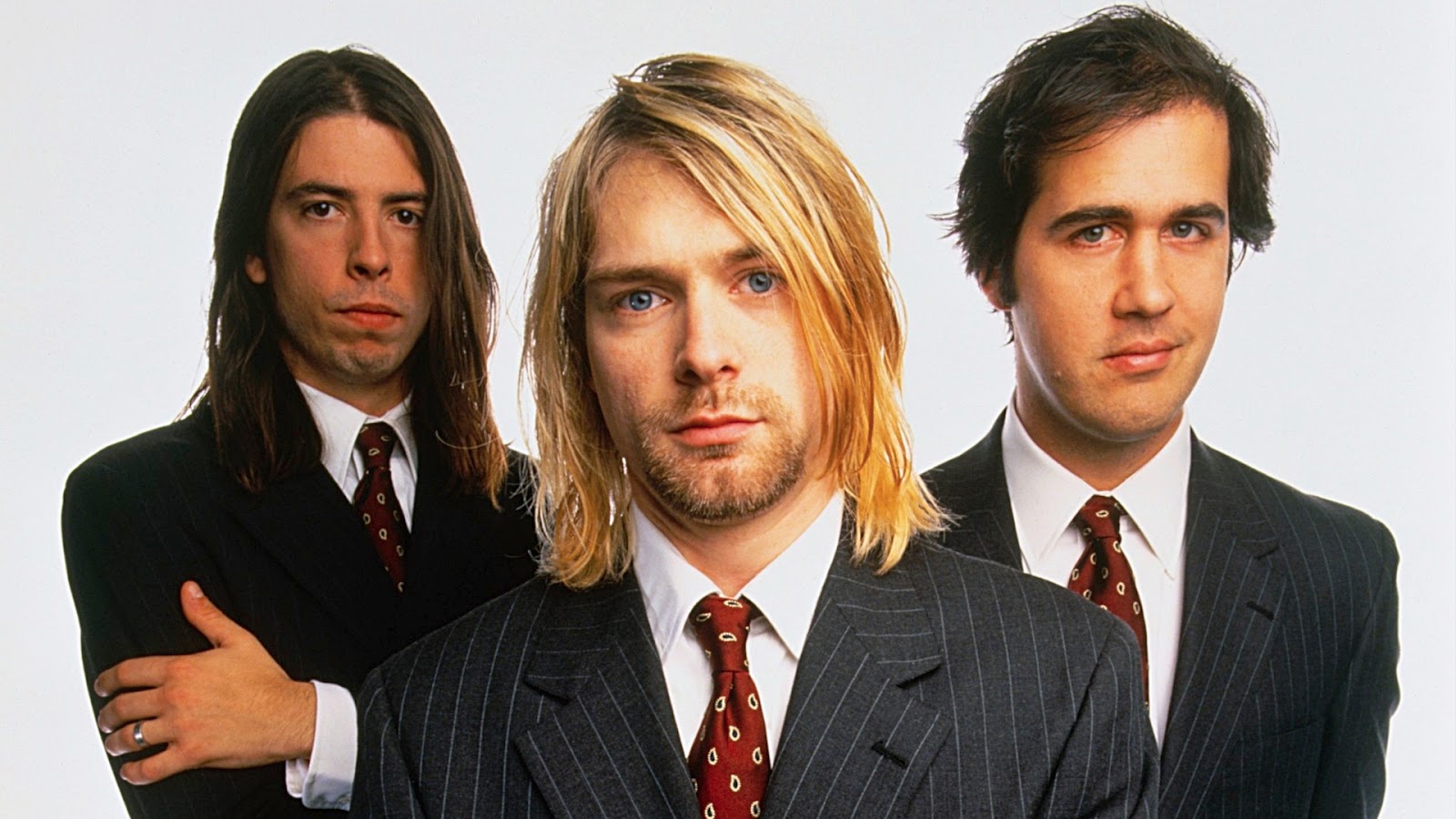
Nirvana

Nirvana-suits

Whether it’s out of sympathy for Kurt, or the fact that they were the most important rock band of the 90s that wasn’t named Pavement or Radiohead, the Seattle grunge trio is pretty much the only sure-fire bet

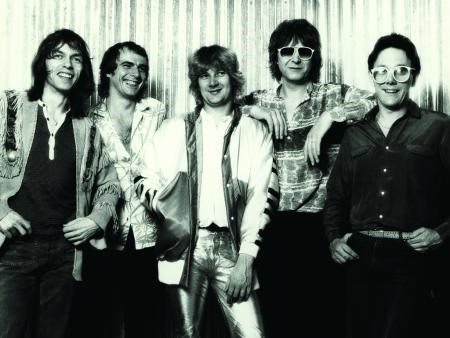
Yes

yes_band2

For years people have been saying how unjust it is that the progressive rock god-fathers King Crimson have never even received a nomination from the institution, so maybe placing a more successful prog rock band in their ranks will silence the haters….or actually potentially make them even more angry!

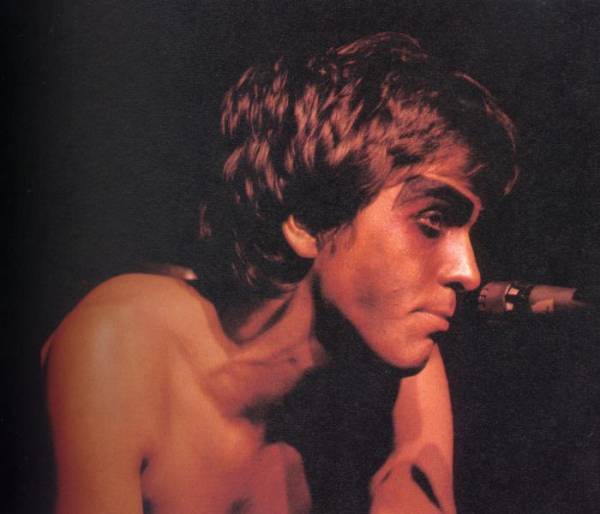
Peter Gabriel

genesis_peter_gabriel

Well Genesis already made the cut…

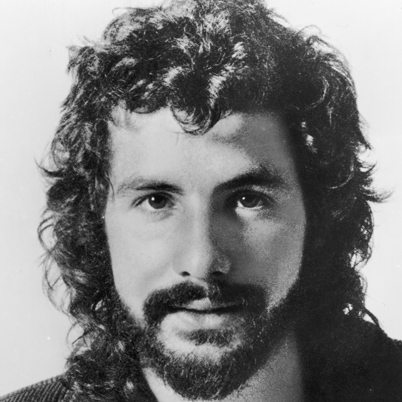
Cat Stevens

T339132_01

Ricky Gervais loves him, so why can’t we all?

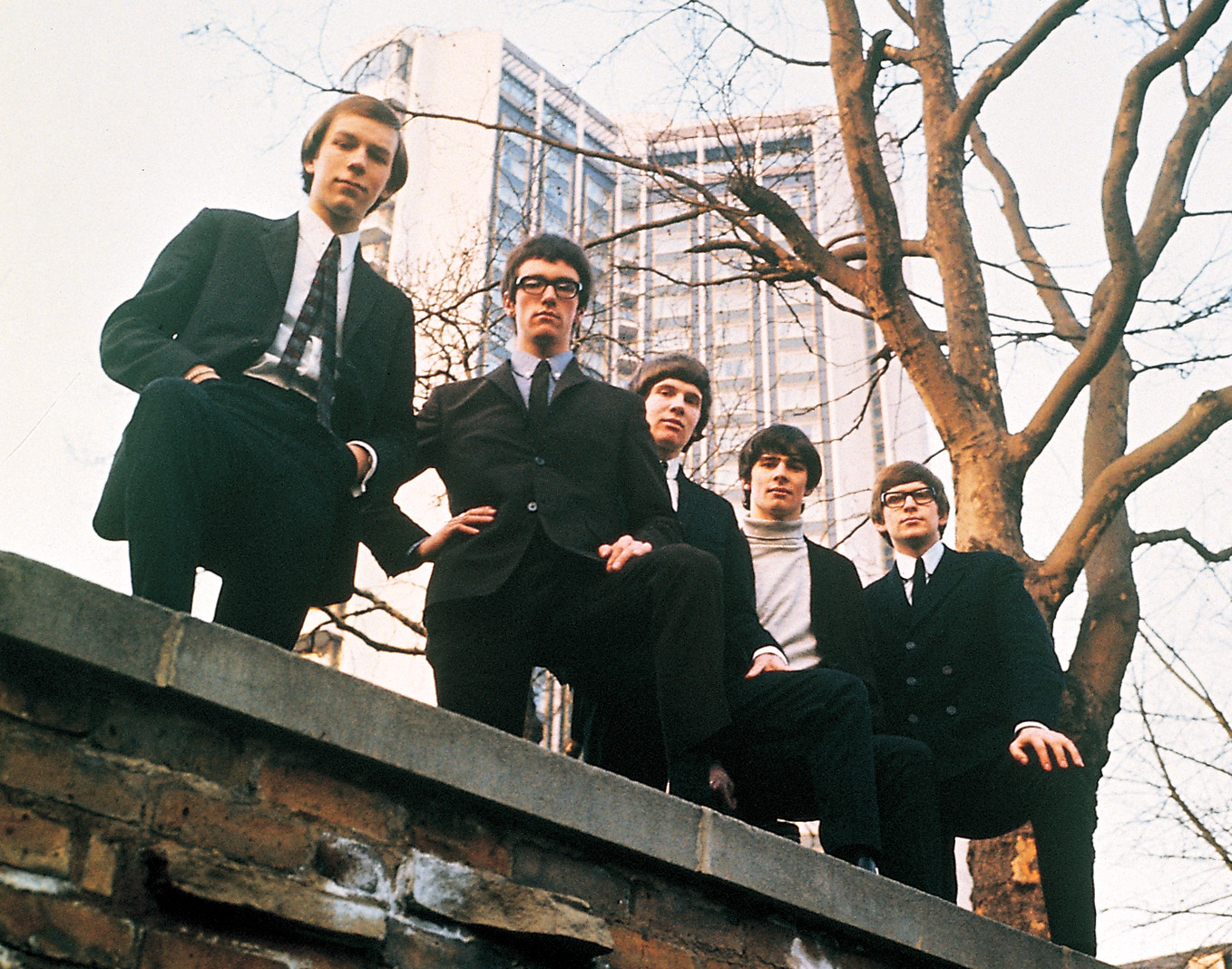
The Zombies

zombies-band

They’re a British Invasion band…why the fuck aren’t they inducted already!?

Who Should Get In…

The Replacements

The-Replacements

They picked up where the Buzzcocks left off and made punk even more accessible to the masses, but they did it in an even more mature and refined way. Thing is…it’s not likely they’ll get in before The Smiths do.

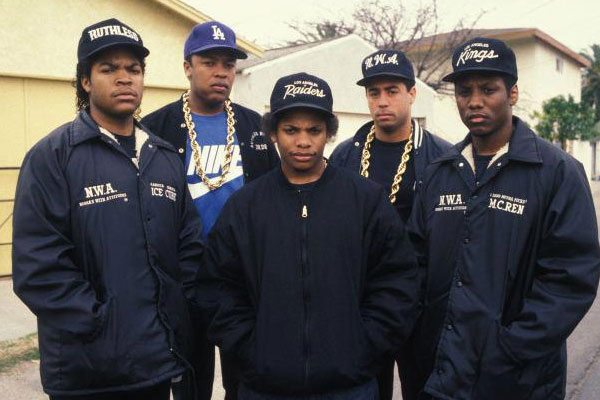
N.W.A.

N.W.A.-pic

It would be a great double whammy for hip-hop heads if N.W.A. got in this year as Public Enemy did last, but the west coast gangsta pioneers are a little too violent and profane to grace The Hall just yet.

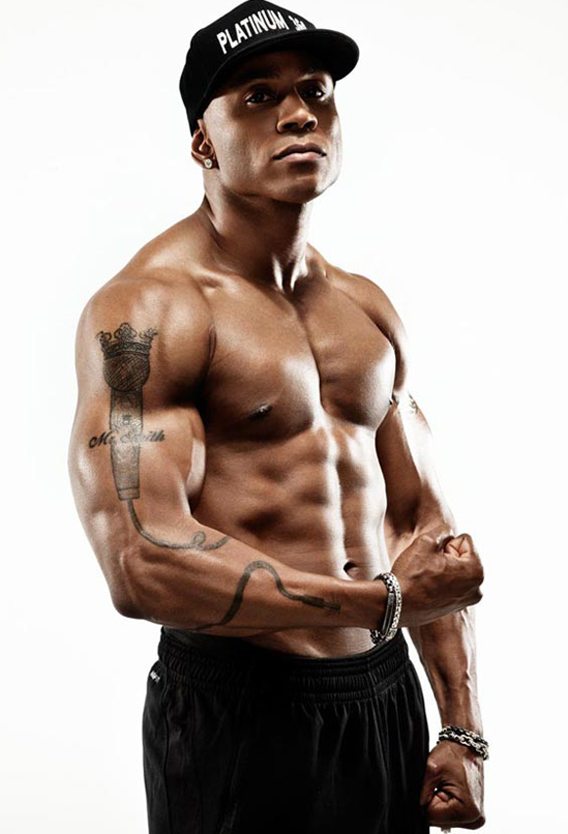
LL Cool J

ll-cool-j-beats-down-burglar

Certainly an odd choice amongst this year’s nominees, but I feel he’d fit nicely in the hall’s progression towards incorporating hip-hop into their historical component. It’s important that people realize he was the first rapper to…sell-out?

…and Who the Fuck Are These Guys?

The Paul Butterfield Blues Band

Chic

Hall and Oates

Linda Ronstadt

Link Wray

Easiest post I ever wrote. As David Bowie would say: “Wham, bam, thank you Ma’mm!”

Filed Under: ENTERTAINMENT, MUSIC

Album Review: Danny Brown – Old

by Peter Foy

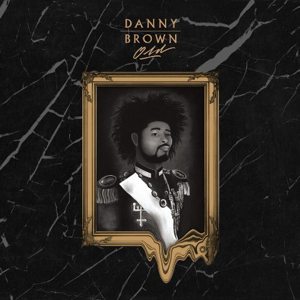
Danny_Brown_Old_Cover_Art

Danny Brown: Old

Similar Artists: Chance the Rapper, Earl Sweatshirt, Ol’ Dirty Bastard

Genre: Hip-hop, rap

Label: Fool’s Gold

Hip-hop is a music culture that’s known for turning nobodies into somebodies fairly quickly, but I don’t think very many rappers can say they have had the type of career growth that these last two years have brought Danny Brown. The Detroit MC put out his critically-acclaimed album/mixtape XXX in 2011 and quickly made headlines as one of the year’s best freshman acts, despite the reality that this was actually his second album. The rapper proved to have vast cross-over appeal, appealing to both hip-hop heads for his tough guy image and raw subject matter, but also he found much veneration from the indie crowd due to his unique style, and enigmatic personality. In interviews Danny Brown often presented himself as an intelligent man with an utmost comprehension on music (name another rapper who’d name drop Joy Division and Radiohead as influences) and he almost felt in direct contrast to the sex-and-drug addicted character he played while on record, but in other facets he seemed to be very much in tune with his “adderall admiral” persona as well. Some interviewers would remark that Danny Brown seemed to be under the influence of drugs like MDMA and lean when they were talking to him, and his twitter feed regularly sees female fans offering him sexual favors. The fascination regarding Danny Brown’s illicit behavior perhaps climaxed last April when performing a show in Minneapolis a girl ran on stage and performed oral sex on him, as he continued to rap. It’s still foggy at this time whether his acceptance of the blowjob was a publicity stunt, or whether Danny Brown really is the “dirty old man” his songs would suggest he is, but what is clear is that this is exactly the type of attention an underground rapper needs to be successful now-a-days….that and continuing to release great records.

Old  is Danny Brown’s first album since his breakthrough with XXX. With all the hype and anticipation surrounding the album, Danny really needed to hit it out of the park if he wanted to maintain his standing as one of rap’s most unpredictable talents. In honesty, it was either that or he’d simply be known as the “guy who gets head on stage”, if this album was to fall short. Well, I’ve been given the proper time to digest Old now, and I can proudly say that neither Danny or his fans should be worried about that happening. This album is great, really great actually, and it’s exactly the next evolutionary step Danny Brown really needed to take as an artist. It’s exactly the type of album that his fans wanted, yet also a very surprising one too.

For starters, it must be brought up how enormously diverse the record is. Starting off with the album’s two Paul White produced tracks (Side A (Old) and The Return), the album initially has a feeling that evokes Mobb Deep-esque gangsta rap. Proving he is an emcee that is unparalleled when it comes to changing his voice (on The Return I initially thought his verse was coming from a guest rapper), the album starts off with us hearing his Detroit drawl as gruff and grimy, but when the album reverts back to club tracks, we hear Danny switch back to his high-pitched yelp that made XXX so noticeable, only this time it’s more danceable. Enlisting the help of electronic dance artists like Rustie and Purity Ring, Danny Brown has once again bridged the gap between hip-hop culture, rave freaks, and pitchfork.com’s readership, and years from now it’s likely that we’ll be saying Danny Brown was one of the first (and best) rappers to mesh hip-hop styling with dub-step, EDM, and contemporary house.

Danny Brown’s rapping has improved for this record as well. XXX had plenty of intentionally messy rhyming, but here the rapper sounds more polished and certainly faster. Songs like Kush Coma and Wonderbread are enough to show that Danny Brown might still be getting started when it comes to weird rhyme patterings, as their more inventive than ever. The songs are endlessly fun and fill the head with the type of imagery that one would expect more from Frank Zappa or Captain Beefheart than from a contemporary rapper. Even though Danny Brown said this album would have less “dick-sucking jokes” than his previous work, it’s clear that he’s still likely to retain his image as an affable low-life. While Danny Brown’s sex rhymes are possibly even more explicit than they were on XXX (one of the cleanest lines on the track Break It is “Make me wanna rip off your pants/Put my hand between your legs”) they’re never mean-spirited or reliant on shock value as opposed to other rappers like Necro. In fact, these songs only augment his more reflective side, which he showcases on album stand outs like Lonely and Float On. It’s tracks like these that really resonate with the listener, as on them Danny (mostly) evades talk about pussy and blunt smoke, and instead speaks of how he feels so lost in the world and desires something more than all this debauchery. In a way, Danny Brown is just as introspective and sincere a rapper as Drake is, just in a much more grimy fashion.

While Danny Brown has said that he’s not so much a perfectionist while in the studio, and favors doing whole songs in one take, those that have been following the release of Old will notice that it has been a process for Danny to get the album’s tone just right. Some songs have been altered, such as Handstand which had previously been leaked online with the title Express Yourself and had a vastly different beat, while other have been scrapped entirely such as ODB. Knowing that, and that the rapper has been doing extensive touring as of late, it’s feasible why the album had a few delays before finally being officially released last week. This really speaks to Danny’s expertise with creating albums that sound cohesive and fluid despite juggling numerous genres, and such a record could of resulted as being as little more than a curious mess in the hands of a another artist, but instead Danny Brown has made a near perfect modern hip-hop record. Old has a seamless flow to it as a whole, it’s virtually devoid of any filler, and one is able to enjoy it while listening to in small increments as well as sitting through the whole hour it would take to listen to it in it’s entirety. While XXX was a fantastic rap record which can now be seen as the perfect introduction towards Danny Brown’s twisted POV, it wasn’t for everyone. The rhymes were occasionally a little too vulgar, and it could take a while to understand what the emcee was trying to do with his rapping style. Old, however, is as close as an album gets to being for everyone, and it’s as boundary-pushing and genre-smashing a hip-hop record you’re likely to hear all year (sorry Kanye).

Track Listing

1) Side A (Old)

2) The Return

3) 25 Bucks

4) Wonderbread

5) Gremlins

6) Dope Fiend Rental

7) Torture

8) Lonely

9) Clean Up

10) Red 2 Go

11) Side B (Dope Song)

12) Dubstep

13) Dip

14) Smokin and Drinkin

15) Break It (Go)

16) Handstand

17) Way Up Here

18) Kush Coma

19) Float On

Filed Under: ENTERTAINMENT, MUSIC

Gravity – Can You Feel It?

by Peter Foy

Gravity_Poster

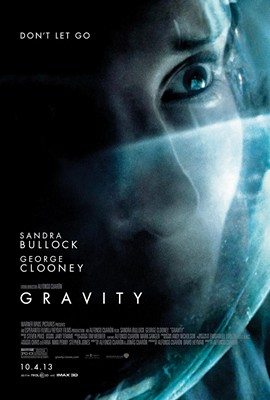
If you were to ask any self-respecting cinephile to compile a list of their top-ten favorite sci-fi movies of the last decade, then there’s pretty much just about one film that’s a sure-fire inclusion on that list: Children of Men. Alfonso Cuaron’s dystopian epic was a masterpiece of the genre, that not only painted a grim picture of a future comprised of humanity’s worst feats, but it also was one of the best made films of the 2000s with cinematography and camerawork that made for chase/action scenes that were as lush as they were exciting. While the film didn’t prove to be a hit at the box office, one would have thought that Alfonso Cuaron’s career would have really taking off after the towering critical acclaim the film received, with rumors popping up over the subsequent years that he might direct a big-budget tent-pole release, with everything from X-Men to Star Wars being brought up. Instead, he would spend the next few years trying to get an original project off the ground…

Gravity is another checkpoint through Cuaron’s recent foray into “hard-sci-fi”, only with a noticeably larger budget than Children of Men, and with even more emphasis placed on the spectacle of it. Set entirely in space (and presented in a narrative structure that’s virtually real-time), the film concentrates on female bio-medical engineer Alex Stone (Sandra Bullock) on her first space shuttle mission. During a spacewalk near the mission’s end when she and veteran astronaut Matt Kowalski (George Clooney) are repairing a space telescope, they receive a warning that debris from a missile strike from a Russian satellite is coming their way. Sure enough, a cavalcade of material come colliding towards them, that cuts off their communication with Mission Control, as well as separates the two in the infinite vastness of space.

It’s easy to see why it took Cuaron quite a long time to get the proper funding for this film. Gravity is a $100 million science-fiction film that basically only has two actors in it, and also has long periods of time where not much happens. Such a film could be seen as an incredibly risky gambit by studio heads, which is possibly why the film’s right were transitioned from Universal Studios to Warner Brothers. That said, I think it probably would only take about 15 seconds of any footage taking from this film in order to convince someone about the potential for success in this film because frankly, Gravity is freaking beautiful! Similar to how Cuaron used his mastery towards filming long takes to give such auteur-ship to Children of Men’s chase sequences, Cuaron has done the same with his digitally rendered image of space. The film’s  first 17-minute contain no cuts at all, and it makes perfect sense also (what would he cut to? Another star?), and the film doesn’t become any less lush from that point on. The shots are all pitch-perfectly presented, and Steven Price’s score only augments the film’s beauty and excitement (especially as the film plays it by science-fact rules, and therefore the film lacks sound while in space). The technical craft alone puts this film head-and-shoulders over most other recent film about survival amidst overbearing circumstances.

In terms of human magic, however, Gravity isn’t as flawless. While it’s clear that Cuaron is trying to have us emphasize with the characters plight, such as having witty dialogue between Alex and Kowalski, and including a sub-plot about how Alex has been grieving over the accidental death of her daughter, it isn’t too unfamiliar from other such films. In fact, there are more than a few tropes here that are common-place for such thrillers, and it actually downplays the film’s attempts at conjuring up a spiritual sense. None of this is done in an overtly maudlin fashion, nor does it hurt the film’s vision, but it’s quite upsetting when one realizes that the film would be rather mediocre without the spectacle. Also, in terms of acting, while Bullock and Clooney are both fine in their roles, you can tell Cuaron wasn’t so interested in making this film an acting showcase. This is fine of course for a movie that has this much meticulous attention paid to conjuring up it’s veneer and status as a one-of-a-kind experience.

Gravity isn’t likely to go down in history as being as revered a film as some other films about deep space exploration, such as 2001: A Space Odyssey or Solaris(referring to the Tarkovsky original). For one, it’s plot is too skeletal, and secondly it’s no where near as philosophically dense as those two films, despite hitting all the necessary symbolism watersheds (gotta love the fetal position!). If not quite an instant-classic though, Gravity is undeniably a must-see on the big screen, and it’s really a cinematic experience that only happens once in a great while.  It’s a vivid showcase of what expert contemporary film making can do with a gigantic budget, that feels so genuine and original, while in essence being pure popcorn entertainment as well. Only time will tell if the film will be as breath-taking on our blu-ray players, but for right now it’s gorgeous to now end on the big-screen, and might actually be one of the few films that I really recommend seeing in 3D as well.

Filed Under: ENTERTAINMENT, MOVIES

East Bound and Down – Season 4 Starts Out Well…But is it Necessary?

by Peter Foy

tn-500_ebd_s4finalteaseart_panties

Now, that I see some of us are done thinking about the Breaking Bad finale (this is a lie), maybe we can talk about another great series that returned to TV the same night, and no I’m not talking about Homeland.

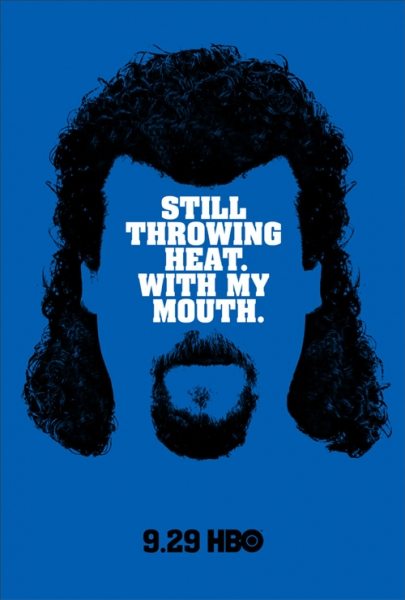
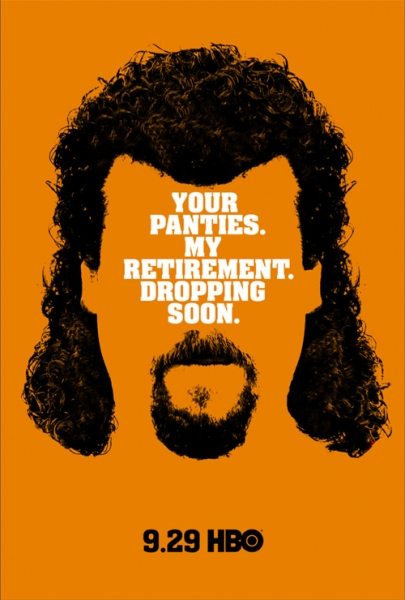
HBO’s Eastbound and Down, the hilarious chronicle on Danny McBride’s indelible character Kenny Powers, returned for a fourth season this past Sunday, about a year and a half after most of its viewers thought the show had ended. With the series third season ending (spoiler) with Kenny leaving behind his goal to return to the majors, faking his death, and moving back to his true love April (Katy Mixon), it seemed like the ideal way to end the series, and it’s three creators (Jody Hill, Ben Best and Danny McBride) had said that was indeed the original plan. Thing is, seeing that HBO had recently cancelled the majority of their half-hour long comedies, it was feasible that they would want to keep onto one that had proven both critically acclaimed and popular with viewers. So here comes the show’s (likely) real final season, which Danny McBride describes as what happens “after the hero rides out into the sunset.”

Picking up a few years after the third season, the premiere finds Kenny Powers married to April, and living with her and their two children in suburbia. Working as an assistant manager at a car rental company, we see the character is not happy in this “normal” lifestyle at all, with him shunning people that recognize his abandoned celebrity status, and finding himself struggling financially. We see Kenny have violent outbursts, and feel shitty about leaving the majors behind. Kenny’s past catches up with him, however, when he delivers a rental car to his old sports colleague Guy Young (Ken Marino), who’s still living the wild life. Needless to say, this is all the push Kenny needed to return to being an…asshole again.

There was good news and bad news about Kenny Powers return, and it’s probably best to just get the bad news out of the way first. The episode did have quite a few moments that made it feel like this was an afterthought on the writer’s part. They really glossed over the fact that Kenny faked his death, with only a brief introductory sequence showing us that he crashed his own funeral and then had to do some jail time for it. I think if the writers could of taking there time (or maybe even asked for more episodes this season) they could have given us some really good material on why Kenny decided to come out and disprove his death. It’s really evident to me that Kenny’s fake death was supposed to be a plot device to end the series with, and if they were unsure about whether season 3 would be the finale, than they probably shouldn’t have used it.

That said, what was great about the previous seasons of Eastbound and Down is still great here. One of the most noble and entertaining facets of Eastbound and Down is that it’s one of the few shows that really does reinvent itself each season. Each year has seen Kenny in a different location and in a different predicament, and for a show that has short episode-counts-per-season for an American TV series, it’s always managed to get in great amounts of character development and plot progression. Keeping that in mind, it isn’t that surprising to see that this series is going to have a different format yet again, but the series also isn’t forgetting the reason why Kenny Powers is such a compulsively watchable character. In the second half of the episode when we see Kenny revert back to the lovable douchebag that he was for the first three years, it’s a sight to behold. He’s profane and loose as ever, and I have a feeling that Hill, Best and McBride have a format for this season that will see the settled down Kenny Powers clash with the rebellious nature of his past (true?) self. If they can do that then I’ll totally be on board for this season being a sort of victory lap for the series.

Fans of the show absolutely should tune into this episode. While sure, I feel the ending last season was a perfect capstone for the series, but Kenny Powers is a fantastic character that has plenty more potential, and thankfully the writing and directing were still super-sharp for this premiere. It pretty much won me over, and I’m now convinced that McBride and his co-creators are firmly committed to giving the Kenny Powers saga (another) great ending.

tn-500_ebd_s4finalteaseart_mouthheat

Filed Under: ENTERTAINMENT, TELEVISION

  • « Go to Previous Page
  • Page 1
  • Interim pages omitted …
  • Page 5
  • Page 6
  • Page 7
  • Page 8
  • Page 9
  • Interim pages omitted …
  • Page 13
  • Go to Next Page »

Primary Sidebar

Navigation

  • HOME
  • OPINION
    • REVIEWS
  • BUSINESS
  • LGBT
  • ENTERTAINMENT
    • ARTS
    • MOVIES
    • MUSIC
    • TELEVISION
    • THEATRE
  • LIFESTYLE
    • TRAVEL
    • FASHION
    • HEALTH
    • FOODIE
    • STYLE
  • POLITICS
  • SCIENCE
  • SPORTS
  • TECHNOLOGY
  • U.S.
    • NEW YORK

Footer

  • ADVERTISE
  • TERMS OF SERVICE
  • CAREERS
  • ENTERTAINMENT
  • Home
  • Contact
  • Legal

Copyright © 2026 · ManhattanDigest.com is run by Fun & Joy, LLC an Ohio company · Log in

Loading Comments...