• Skip to primary navigation
  • Skip to main content
  • Skip to primary sidebar
  • Skip to footer

Manhattan Digest

All you need to know about Manhattan culture and so much more...

  • LIFESTYLE
  • ENTERTAINMENT
  • LGBT
  • OPINION
  • TECHNOLOGY

Rio Toro

Album Review: King Krule – 6 Feet Beneath The Moon

by Rio Toro

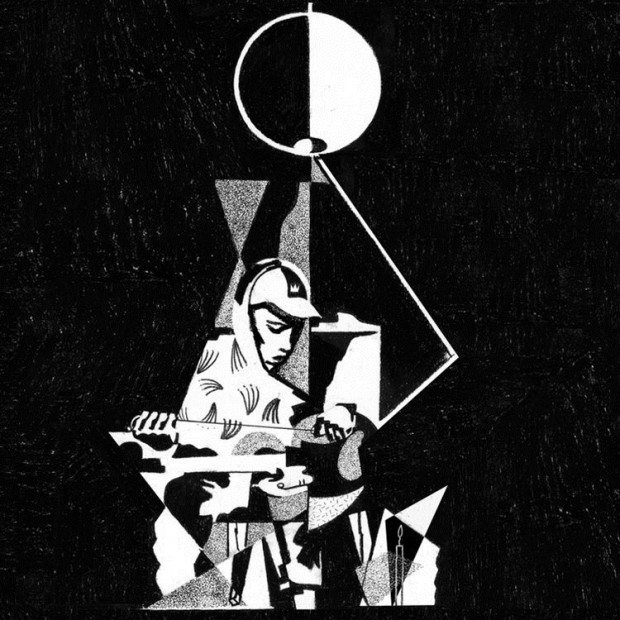
kingkrule-620x620

King Krule: 6 Feet Beneath The Moon

Similar Artists: Willis Earl Beal, Earl Sweatshirt, Daughn Gibson

Genre: Half-Rap, lo-fi, Blues, Soul, Dark-Wave?

Label: True Panther Sounds


Honesty goes a long way; it can turn an alright album into a great one, or a forgettable one into a classic. More importantly, when an artist opens his world to us, we tend to be more likely to invest our own selves into the music, creating a shared bond between the creator and listener. Also, albums where the musician lays themselves emotionally bare are the ones most widely accepted as art (Plastic Ono Band being the first thing that comes to mind). Although I don’t give any of the albums I review a number based rating or score, these are the ones that simply can’t be given one, as they must exist as creations of man and be embraced with any flaws or errors they may have.

Of course, if we want to be entertained, the artist must also complement this honesty or realness, with other, equally impressive feats; so it’s a good thing that King Krule’s attractive guitar playing and very untraditionally attractive voice make for such a harrowing mixture. So much, in fact, that his songs can, and do, often ride on those two elements alone; case in point being early single “Out Getting Ribs”, featured here in slightly tweaked fashion. It turns out though, that that introduction to this artist’s world was just the tip of the iceberg.

King Krule is London’s Archy Marshall, who previously recorded as Zoo Kid (until he remembered how awesome the Donkey Kong Country games were, I suppose). If you haven’t seen a picture of this dude, I recommend you do so right now, because between his grueling, darkly chilling baritone, boney facial structure and bright red hair — comparable to a young Ron Howard (albeit a tough-as-nails one) — there’s not much else that seems as haphazardly mismatched. After an exciting, self-titled EP and a few tremendous guest spots on releases from Mount Kimbie and Angel Haze, the teenager has released his debut full-length 6 Feet Beneath The Moon, and on his 19th birthday no less!

What’s so surprising and often hypnotic about these 14 tracks is how much diversity is played out among them. For a kid who wrote these songs around or before the time he was even legal, he has a perplexing amount of musical breadth and knowledge. It’s no wonder he has such a boastful aura surrounding him. His baffling range goes from the single ready, mood setting opener “Easy Easy”, to the tropical-tinged “Border Line”, to the falling apart emotional bombast of “Has this Hit?” within the first three songs alone. The record gets even more unpredictable from there though, as Krule chronicles his loss through a lustrous ballad,”Baby Blue”, the stomping, tour-de-force jazz of “A Lizard State” and the suicide-riddled dream piece “Cementality”. He’s also taken a thing or two from both the U.K. bass scene and the L.A. beat scene, and he uses the two to string together a darkly ominous mood that permeates the album in full.

Thanks to his penetrating voice, Archy is well equipped to deal with issues relating to hardship and heartache, and he manages to be pretty convincing no matter what theme he is tackling. His unique flow of singing/rapping feels very stream of consciousness, and although he will occasionally throw us a sour rhyme or a particularly unflattering slur (pussy, fat-bitches), he comes through as sincere. It’s also a good thing that his voice is always up front and center, because even after countless listens, its idiosyncratic qualities remain the true highlights of 6FBTM. I’ve become mesmerized by how he can at times have so much control over his voice, only to break out into a nearly undecipherable drawl a few measures later. Its like he’s letting his vocal cords hang outside of him and bleed onto his compositions.

Like every teenager should be, King Krule isn’t one to hold back. His compositions are raw and unfiltered in the way only a young artist’s could be, but he’s so much more than that as well. 6 Feet Beneath The Moon may not be for everyone, and it may only be a stepping stone in this artist’s hopefully long and fruitful career, but as it stands now it’s an unflinching portrait of Archy Marshall. The fact that he’s an artist who deserves to be heard just happens to be a huge plus for us.


Track Listing:

1.) Easy Easy*

2.) Border Line

3.) Has This Hit?*

4.) Foreign 2

5.) Ceiling

6.) Baby Blue

7.) Cementality*

8.) A Lizard State*

9.) Will I Come

10.) Ocean Bed

11.) Neptune Estate*

12.) The Krockodile*

13.) Out Getting Ribs*

14.) Bathed in Grey


Album Highlight – *
Filed Under: ENTERTAINMENT, MUSIC, OPINION, REVIEWS Tagged With: 6 feet beneath the moon, Album Review, king krule, lo-fi, music, soul, true panther sounds

Album Review: Forest Swords – Engravings

by Rio Toro

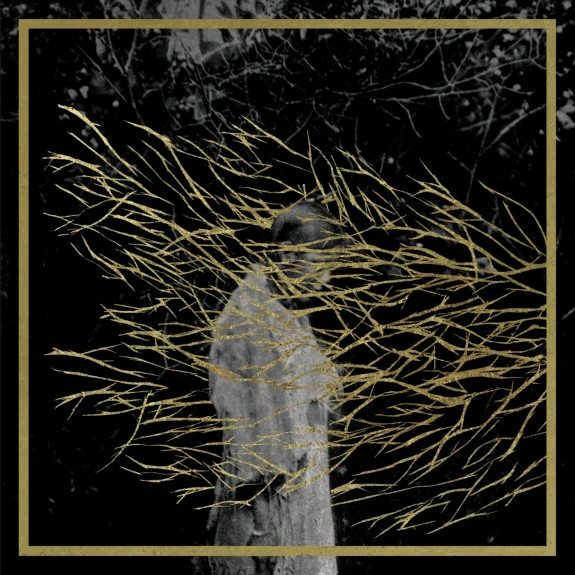
FOREST-SWORDS-ENGRAVINGS-575x575

Forest Swords: Engravings

Similar Artists: Burial, Earth, The Haxan Cloak, Arca

Genre: Psych, Dub, Bass, Experimental

Label: Tri-Angle


In these perfectionist times, three years is not such an unreasonably long incubation period for a full-length album, but after the mouth watering psych-rock/dub fusion that Matthew Barnes concocted on his first release as Forest Swords — the immeasurably stellar Dagger Paths EP — his follow up has been one of the truly exciting things to look forward to in music. If you aren’t familiar with Forest Swords, ever since 2010, the English producer has gained wide acclaim and a steady cult following due to his unique, genre-melding style. Even with such a scarcity of material, he stands as a touchstone in today’s experimental music scene, and a prime example of how new forms of music are far from obsolete.

Much of Barnes’ success can be attributed to his singular musical style, which mixes the aforementioned genres with other, even harder to trace ones (noise, drone, jazz) into a living, breathing organism. However, while he’s rooted in the abstract, the music is given its levity through a sound palette that is earthly and humane. The appeal to Forest Swords lies with the array of sharp, psychedelic guitars mixed within heavily detailed and expansive electronic compositions. It can be a challenge to discern what is being sampled (if anything), as everything flows so seamlessly within one another. Although he does “borrow” the emotive, ghostly vocal samples of Burial, he does so in a way that remains naturalistic and evocative. For instance, the voices (which are mostly his own) often sound grainy and decayed from the inside out, yet they don’t lose their ethereal qualities through the process.

Atmosphere, however, is where Forest Swords truly makes its strides. Tracks often conjure images that are both nightmarish and skeletal, but strangely, these “dark”  soundscapes are represented through stark, bioluminescent instrumentation. When there’s a key change, you’re going to notice, because this is music that tends to penetrate on a gut level; almost as if a post-rock or metal song were slowed down to an unrecognizable state. Needless to say, it lends itself more easily to woodsy, outdoor environments than clubby indoor ones, and due to its high emotive qualities, it’s perhaps most intended as introspective headphone music.

It turns out it was a good thing he took the time off, because this acts as the thirst quenching follow-up we’ve been waiting for. Matthew Barnes continues to develop his singular vision through Engravings — his first release for Tri-Angle — and he does so with a newly developed level of maturity that makes this his most refined release yet. While Dagger Paths had the ability to ride on the immediate shock and “wow” factor of its sound, Barnes knows he can’t simply repeat his previous successes — so this ends up being both a return to his former style as well as a move away from it. As a whole, Engravings does remain similar in style and tone to its predecessors — you won’t be mistaking this for any other artist — but thankfully, this effort isn’t a simple copy and paste procedure either.

This is a more restrained and minimal effort for the artist, and some of the immediate boldness on previous releases seems to have dissipated with age. Because it’s less showy and attention seeking than the Forest Swords or yore, it might take a bit longer than expected to sink in. Tracks like “Gathering” — which focus on spliced up vocal samples — sound particularly barren at first, and its clear Barnes is going for a more subtle, slow burning approach. It pays off though, and the structure of the album flows similarly to The Haxan Cloak’s Excavation (another exceptional Tri-Angle release from this year), as certain pieces act as interludes for more epic, single oriented tracks (“The Weight Of Gold”, “Thor’s Stone”, “Friend, You Will Never Learn”). However, if you want to get the full enjoyment out of this record, I suggest you play it loudly, as it seems the most profound aspects of the music are hiding.

There’s still plenty of risk-taking going on, such as on “Thor’s Stone”, which expertly introduces avant-jazz elements, or “Irby’s Tremor”, with its sharp orchestral flourishes. Piano is another instrument that is incorporated into many of these songs, sounding all the more curious for being the one element not treated with effects. Best of all are the vocals, which seem to be implemented in a fresh and interesting way on every track; he even works with the rare outside vocalist on the lovely “Anneka’s Bottle”. While what these vocals are actually saying is usually pretty undecipherable, I find this makes them even more emotive, as we are allowed to interpret them as we see fit. The finale, “Friend, You Will Never Learn” — if you can tell from the title alone — is particularly heartrending, and at 8 minutes it easily stands as a career highlight for the artist.

As good as it sounds now, i’m putting money down that Excavations is a grower. It’s a record that often causes me to feel hazy for minutes at a time, and I will often drift off into thought and miss entire songs. All the pieces are in their right place, but it’s almost as if I can’t see all of them in my current state. It would be too easy to say I occasionally get bored while listening to this album — but it’s really not that at all — I’d much rather blame my fading attention on how this is a record that sounds painstakingly, and most of all effortlessly, ahead of its time.


Track Listing:

1.) Ljoss

2.) Thor’s Stone*

3.) Irby Tremor*

4.) Onward

5.) The Weight Of Gold*

6.) An Hour

7.) Anneka’s Bottle*

8.) Gathering

9.) The Plumes

10.) Friend, You Will Never Learn*


Album Highlight – *

Filed Under: ENTERTAINMENT, MUSIC, OPINION, REVIEWS Tagged With: Album Review, bass, dub, engravings, experimental, forest swords, music, psych, Tri-Angle

Album Review: Shigeto – No Better Time Than Now

by Rio Toro

GI-184_cover_1500x300_540_540

Shigeto: No Better Time Than Now

Similar Artists: Flying Lotus, Thundercat, Four Tet, Bibio

Genre: Electronica, IDM, Improvisational-Jazz, Wonky

Label: Ghostly International


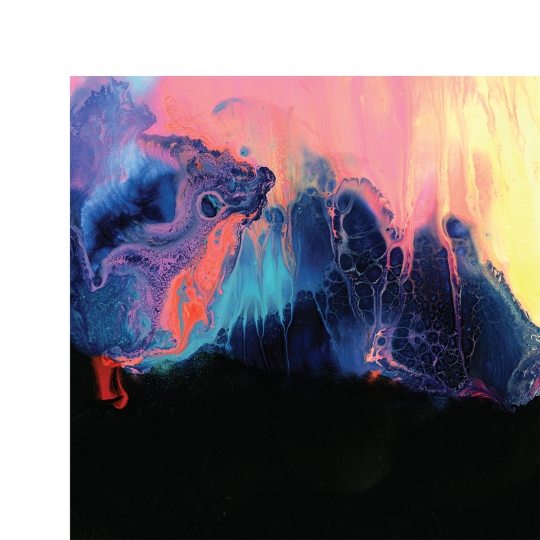
Let’s all take a minute to absorb the beautiful and absorbent cover art to Shigeto’s latest full length (posted above), No Better Time Than Now. It’s the kind of bright, Asian-tinged water color painting we see frequently among album artwork — especially those of abstract-leaning electronic artists — but still, its vibrant textures and colors seem to leap out from the print and engage the viewer despite a lack of true “originality”. Here lies a notable parable within the music of Shigeto, as while his music easily recalls the kind of spacey, jazz-influenced electronic music recently popularized by Flying Lotus and his Brainfeeder label, it does so with its own individual flare for style, and at its best it even seems to exist somewhat above its contemporaries. I’m not necessarily saying that Shigeto has “perfected” the style brought upon by FlyLo, but only that he has created the next version of it, and thus it exists on a newly developed scale. And yes, I know, with a title like No Better Time Than Now, it would be easy for one to become unwarrantedly sucked into the so-called modernity of it all — and in doing so overrate the album — but title aside, this stands as an accurate representation of where we are in 2013 as far as achieving a state of perpetual chill out bliss.

Shigeto’s previous releases — most notably his criminally underrated Lineage EP — showed off Saginaw’s excellent musicianship — specifically his intricate percussive patterns — but here, he comes into his own as a true producer; one who is capable of forming a neatly contained universe of sounds, where each theme complements the last to form a piece that is larger than the sum of its parts. With that said, drumming might still be the defining aspect of these tracks, as he consistently and adeptly circles through his arsenal of percussive equipment: congos, chimes, tamborines, thumb pianos, timpani and maracas to name a few. Just listen to how busy a track like “Detroit Pt. 1” or “Ringleader” is, and how every few measures there is a clear, noticeable progression, yet the track never feels bloated or overwrought. Only on “Perfect Crime” does Saginaw perhaps become too fully indulged in percussion elements to the point where the remainder of the track becomes drowned out.

Certainly though, with an album with such an obvious jazz influence, their are plenty of space-age keyboards and woozy synths in the mix, and there are tracks which implement more traditional jazz instrumentation; one being the lounge laden “Miss You”, which is practically begging to be put on your relaxing grooves playlist. The chord progressions on tracks like the opener, “First Saturn Return” and the title track are especially notable, as they are impressive from a purely musical standpoint, while also feeling deliciously thick, saturated, and well….”new”. It’s also quite clear that many segments were built off of improvisations, which adds to the feeling of this being an authentic and honest account of who Shigeto is as a musician. Excepting the finale, there are no vocals to be heard on the album, and as far as I can tell, the only samples are those of environmental noises such as falling rain and birds chirping; both of which give the music a very naturalistic vibe. Despite the astral, spaceship conjuring themes on tracks like “Detroit Pt. 1”, when all is said and done this isn’t a bad album to go hiking with.

Unfortunately, on the second half of the album — which is slower paced, more ambient in nature, and less progressive — it turns out that there are some weaker tracks that don’t have as much going for them musically. While “Miss You” originally stands out for its soft, clean-cut guitar, during its second half the mind starts to wander, and it is here — on the 6th of 11th track — where pacing becomes problematic. The following track “Ritual Howl” is notable for its eerie atmosphere, and would have possibly worked nicely as an interlude, but with its 4:28 running time it lacks the intense musicianship featured on the rest of the album. “Soul Searching” is one of the more abstract pieces, and despite the off-kilter, clickety-clock percussion that runs through the 5 minute track, it feels ungrounded and directionless. Its easy to ignore these faults, especially at first, because the musicianship is there, and the sounds — which radiate with a comforting, effervescent warmth — are also there, so you’re not necessarily going to be looking for things to complain about. Also, since the quality jumps back to “A” on the final two tracks, it’s easy to forget that the album was only perfect 7/11ths of the time.

With its fresh, modern take on electronica, there’s a whole lot to love about No Better Time Than Now. From its loads of personality, to its seemingly endless virtuosity, you’ll be hard pressed to find an electronica album that reaches the heights of this one in 2013. I was ready to give it my highest honors after my 3rd and 4th listen; before my incessant listening had to go and ruin it all, that is. It may not have much cross over potential, and it may not be much to come back to come 2014, but as for those of us living in the here and now, this may be as spectacular as it gets.


Track Listing:

1.) First Saturn Return*

2.) Detroit Part 1*

3.) Ringleader*

4.) Perfect Crime

5.) Olivia

6.) Miss U

7.) Ritual Howl

8.) Soul Searching

9.) Safe In Here

10.) No Better Time Than Now*

11.) Silver Lining*


Album Highlight – *

Filed Under: BREAKING NEWS, ENTERTAINMENT, MUSIC, OPINION, REVIEWS Tagged With: Album Review, electronica, ghostly international, idm, jazz, music, no better time than now, shigeto

Album Review: No Age – An Object

by Rio Toro


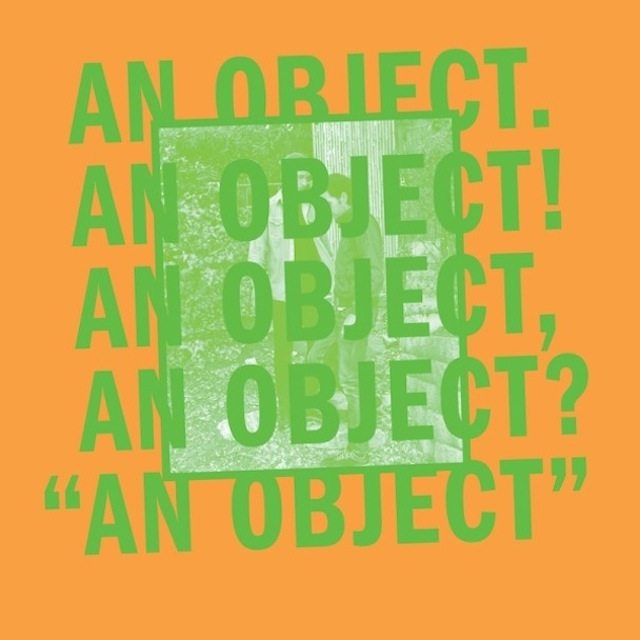
No-Age-An-Object

No Age: An Object

Similar Artists: Deerhunter, Times New Viking, Wavves

Genre: Lo-Fi Rock, Punk, Noise Pop

Label: Sub Pop


Despite being a No Age fan ever since their ’07 to ’08 heyday, after listening to An Object on and off for about a day and a half, I really had no intention of formulating my thoughts into a review. Overall, I felt my opinion correlated with quite a few other reviews I had read, and besides restating those same facts and points, I didn’t think I had anything worthwhile to contribute to it. It’s an album that’s hard to love — with its shoddy production, murky atmosphere and absence of the hard boiled drumming the band is known for — but the more I thought of it, No Object was just as hard to hate, and despite Dean Spunt and Randy Randall’s attempts to “destroy” the record’s appeal with a whacked out presentation, it manages to survive as an enjoyable and catchy punk record all the same.

First, I’ll go over the not-so-great aspects of the record. “Muddy” is the first adjective that comes to mind when listening; both in terms of the quality of the instrumentation and Dean’s achingly sour vocals. Sure, lo-fi music is nothing new — and the limits of Dean’s voice were always apparent — but their last album Everything In Between saw the duo experimenting with a broader sound palette; in comparison, this has much more in common with their Weirdo Rippers compilation. It’s not just the edges that are rough though, as the whole of the compositions seems to have been built from roughness. By these regards, one would assume No Age are going back to their roots and perhaps following their friends Deerhunter down a path in which they aim to revitalize underground rock from the late 70’s to early 80’s. However, the production is a bit too curious for its own good, and doesn’t make a whole lot of sense in terms of a big picture. There are parts to these songs that just aren’t there, and there are other parts that will cause you to scratch your head as to why they are there at all (are those birds chirping on Defector Ed?).

For the most part, the up front vocals on songs like “Running From A Go-Go” and “Defector Ed” don’t work to the group’s advantage, and although Dean’s lyricism is basically unchanged in terms of subject matter and execution, the lack of a proper foundation on many of these songs cause it to stick out like a sore thumb; unfortunately not in the quasi-political way the duo had probably hoped for. This is especially the case when played on quality sound systems and headphones. The same can be said of the flat textures and detuned guitars that act as the foundations of these songs. I probably enjoyed listening to An Object the most when I played it on my ancient computer speakers, as they complemented the hissing static and drawn out fuzz.

While Randy Randall’s guitar patterns can still be interesting, due to the decayed production it’s harder to tell this than ever before. Even on more straightforward punk jams like “Lock Box”, everything seems weirdly distanced, like the music is being barricaded behind a wall. While I have immensely enjoyed this group’s ambient excursions in the past — such as the lovely  “Keechie” from Nouns — here, instead of enticing us with melodic guitars they prefer to disorient us with a thick hazy wash that absorbs any kind of discernible pattern. It’s tempting to say that No Age have gone in a direction that embraces No Wave acts like Teenage Jesus & The Jerks and early Sonic Youth, but from a songwriting perspective these tracks are rather straightforward and traditional; creating an experience that is more confusing than abstract.

Still, An Object is never boring, and even though it’s the first No Age release in three years (at a mere 30 minutes no less), it’s nothing to get disappointed about. Even when I came upon a section that I felt didn’t come together all that well, It’s hard to say they did something wrong. The band are expressing themselves in creative and emotionally honest ways, and that is essentially what punk music is all about. It’s not a punk album that’s going to rock your socks off though, and besides the blazing opener “No Ground” there’s nothing close to a sing-along anthem. However, it does happen to be catchy more often than not (I can appropriately nod my head back and forth for 3/4 of the running time), and the best songs — “I Won’t Be Your Generator” and “C’mon Stimmung” — are among the most memorable No Age have churned out.

As I’ve said before, it’s not what one would call colorful, but the duo manage to change sounds just enough from track to track to keep us interested. For instance, “Running From A Go-Go” is a somewhat dreary ballad with weird electronic squiggling that ends with meshing keyboards and a warm, uplifting baseline. It’s perhaps the one moment on the album where the band’s true ambitions of creating music that is as off-kilter as it is beautiful rings true. More surprises come with “A Ceiling Dreams Of A Floor”, which is lead by a comparatively clean acoustic guitar strum, and “An Impression” which somehow manages to incorporate a string section without sounding kitschy.

If you don’t care for stylized production and have a penchant for music that sounds damaged, then maybe, just maybe, you can see past this album’s shortcomings and appreciate it as the artistic statement it is. Maybe it’s just because I’ve been so fully engaged with ultra-polished electronic releases through this year, but to me, An Object sounds uniquely refreshing. But whether you like how it sounds or not, this is some kind of a leap forward for the band, and it should be taken seriously. Whether they choose to return to this style on previous releases or abandon it in favor of something more holistic, An Object can rightfully stand on its own.


Track Listing:

1.) No Ground

2.) I Won’t Be Your Generator*

3.) C’mon Stimmung*

4.) Defector Ed

5.) An Impression

6.) Lock Box

7.) Running from a Go-Go*

8.) My Hands, Birch, And Steel

9.) Circling With Dizzy

10.) A Ceiling Dreams Of A Floor

11.) Commerce, Comment, Commence*


Album Highlight – *

Filed Under: ENTERTAINMENT, MUSIC, OPINION, REVIEWS Tagged With: Album Review, an object, Dean Spunt, music, no age, punk, Randy Randall, rock, sub pop

Album Review: Julianna Barwick – Nepenthe

by Rio Toro

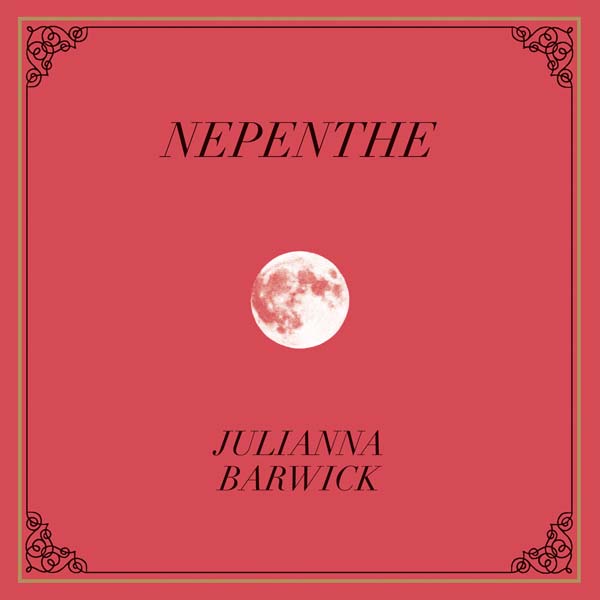
doc069.11183v4

Julianna Barwick: Nepenthe

Similar Artists: Jonsi & Alex, Grouper

Genre: Ambient, Voice, Loop-Based

Label: Dead Oceans


Most could forgive me if I was initially a bit nervous to listen to Nepenthe, as I was afraid the expanded production credits (Alex Somers of Jonsi & Alex, string quartet Amiina, Mum Guitarist Robert Reynisson [and pretty much everything else “Icelandic” for that matter]) would potentially tarnish the deep, isolated solemnity of Julianna Barwick’s previous LP, The Magic Place. On that 2011 LP, Julianna came into her own as a talented and original sound sculpture with a voice so rich it could have only descended from the heavens. Through the use of her lyric-less vocals and (very) minor instrumentation, she created a soundscape that was both deeply personal and even epic. While “epic” might seem like a strange word for what is essentially ambient music, her towering vocals grow on top of one another until the composition becomes somewhat maximalist, yet remaining precisely contained and elegant.

After a slew of less admirable EP’s, The Magic Place was also the moment where Julianna broke free of any comparisons to new age music and Enya (not that there’s anything wrong with these things). Even modern vocal-loop based artists like Grouper — who has ventured closer to accessibility on albums like The Man Who Died In His Boat, and Dragging a Dead Deer Up A Hill — feel hard to compare to the angelic choir that Julianna Barwick has summoned through her work. Music this personal and emotional has rarely been this immediate and accessible.

While I usually award artists who change up their style from album to album, I think it’s safe to say not many people were begging for an artistic leap on Nepenthe. Thankfully, the enhanced production doesn’t do much to broaden the bounds of the music, as her style is more or less unchanged; her voice without a doubt remains the most captivating piece. As great as the electronic flourishes, piano snippets, and grand orchestrations are, this is music that aims to further the limits of the human voice, and she continues to find brilliant ways to do that throughout Nepenthe.

There are some noticeable differences between her two LP’s, but they deal more with color and tone rather than execution. The atmosphere seems to be much more attuned to frozen tundras and glacial mountaintops — “Pyrrhic” in particular seems to have borrowed a thing or two from Sigur Ros — but like the best ambient music, Nepenthe has a noticeable affect on the environment and almost immediately ushers in a tranquil mood. If one were to attempt to get into a fight, or an argument while this was playing, I don’t think the negativity would be able to sprout from their mouths. This is more true here than on previous releases, because Nepenthe is accompanied by brighter textures, and comes off being a happier experience when compared to The Magic Place‘s sense of distraught longing. It is for this reason that the title itself — which translates roughly to “a medicine for sorrow” — couldn’t be more perfect. It even ties the two albums together and leads one to believe that The Magic Place was a representation of Julianna’s sorrow, while Nepenthe is how she managed to get through it.

Although she remains non lyrical for the most part, “One Part” happens to be her first piece that contains clearly audible words instead of her usual monosyllabic singing. She repeats the words /I guess I was, asleep that night, was waiting far/ over and over to an overwhelming affect; you can’t help but picture her singing the refrain while standing at her window in a night gown staring into the twilight-lit night sky.

I’ve listened to a lot of Julianna Barwick over the last few years, and now, because of Nepenthe, I’m sure she will continue to dominate my playlists for the next several as well. In a way, Julianna has it easy, and while i’m sure this music couldn’t have been arranged by an amateur, she has been blessed with an immaculate voice, and as long as she is paired with a looping station it is the only instrument she will ever need. It’s immediate music, and although it doesn’t necessarily get more beautiful with repeated listens, it should be known that it never happens to become less beautiful either; I think there’s a word for that actually, oh yeah: timeless.


Track Listing:

1.) Offing

2.) The Harbinger*

3.) One Half*

4.) Look Into Your Own Mind

5.) Pyrrhic

6.) Labyrinthine*

7.) Forever*

8.) Adventurer of the Family

9.) Crystal Lake*

10.) Waving To You


Album Highlight – *

Filed Under: BREAKING NEWS, ENTERTAINMENT, MUSIC, OPINION, REVIEWS Tagged With: Album Review, ambient, dead oceans, julianna barwick, music, nepenthe, vocal loop

Album Review: Julia Holter – Loud City Song

by Rio Toro

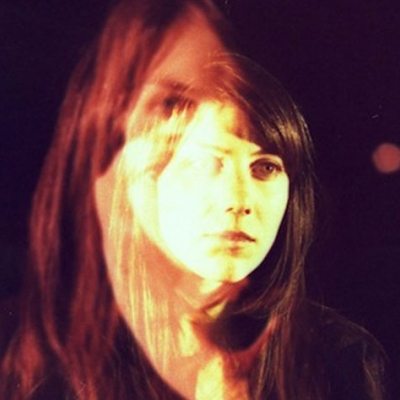
130522-julia-holter

Julia Holter: Loud City Song

Similar Artists: Jenny Hval, Kate Bush, Nico, Julianna Barwick

Genre: Orchestral-Pop, Dream-Pop, Ambient

Label: Domino


I originally thought Loud City Song — the 3rd LP and 1st studio album from Los Angeles’ Julia Holter — was a strange title for music bearing such a quiet serenity. After all, Julia Holter’s music has always been resemblant of everything but towering skyscrapers and industrialization — although it certainly can be brash and avant-garde now and then. However, while Loud City Song impacted me from my initial listen, I don’t think I truly understood it as a piece until I experienced it while walking through the lower east side of Manhattan. It just so happened to be the most perfect, sunshiny day of the year, and since I was accompanied by a slight breeze, I was thankfully able to stroll along the streets for hours on end without so much as a direction in mind.

While I often feel cities aren’t the best places to listen to music — with their disruptive subway systems and endless array of honking motor vehicles — with Loud City Song I seemed to be transported to a more ancient decade of Manhattan, and my mind soon became focused on the more transparent beauty of the city (or at least what is seemingly transparent for those of us who live here…). from the bright green shrubbery hanging from windowpanes, to the inviting cobblestone walkways, to the variety of tiny boutiques and coffee shops; even the people — who I am often too buried in my own thoughts to notice — seemed to stand out with their unique fashions and accessories.

As it happens, Loud City Song is somewhat based off of the 1950’s MGM musical Gigi — the most apparent allusion(s) being “Maxim’s I” and “Maxim’s II” which reference the main character’s often used cafe — but the story arch and lyricism of the album are so vivid and even surreal, that you really don’t have to know a thing about musicals to understand its meaning. Similarly, despite many themes being rooted in the past, Loud City Song has a message that feels very relevant in modern day society; one being our culture’s fascination with celebrities. Although Julia Holter’s previous two LP’s, Tragedy and Ekstasis, were somewhat based off of ancient Greek texts, Loud City Song ends up being an even more ambitious accomplishment.

So now Julia Holter is working in a full studio setting, and the first thing you’ll notice about Loud City Song is how gorgeous the instrumentation is; from the strings, to the horns, to Julia’s majestic voice itself, everything glows with a pristine quality. The pieces often radiate a bright yellowish hue; especially album centerpiece “Hello Stranger”, which may or may not be a projection of heaven itself. While her previous work was excellently composed as well, the instruments themselves sounded far below studio quality, and I occasionally felt like I was listening to a recording of a high school band. That production fault managed to pull me out of her otherworldly and dreamlike compositions from time to time, and kept her music from being truly perfect. However, now Julia Holter is in the place she was meant to be all along, and there is nothing preventing her from being seen as the superb composer/multi instrumentalist that she is.

As far as the music goes, these pieces act as a combination of the more abstract, avant-garde compositions of Tragedy, with the more direct, song oriented compositions of Ekstasis. Some people felt that the more traditional songwriting on Ekstasis was a step backward for Holter, but no one is going to be saying that here; everything sounds like a clear progression from her previous material. For instance, “In The Green World” happens to be one of the more song-oriented pieces on Loud City Song, but even when she works with standard chord progressions, the album’s otherworldly presence remains in full view. While, “Maxim’s II” ends with a riotous dueling horn passage, the noise feels necessary within the context of the song; nothing about this music sounds random or meaningless, as each note is playing its part towards a grander picture. She has also added a more prominent use of field recordings — such as those from city streets — on “Horn’s Surrounding Me” as well as some double bass on “In the Green Wild”.

Holter ends up sounding experimental and eye-opening without being loud or obnoxious; quite like Kate Bush, another artist who is able to take her music in exploratory directions while maintaining rapt accessibility. While beautiful is a word that is used far too frequently in music, in the case of Julia Holter it is truly fitting; the finest bits of Loud City Song are even overwhelming in their gorgeousness. This feeling of a bustling, happy-go-lucky downtown city environment doesn’t dissipate through multiple listens either. I’m in love with this album, and it might just be opening my eyes to the beautiful world around me.


Track Listing:

1.) World

2.) Maxim’s I*

3.) Horns Surrounding Me*

4.) In the Green Wild*

5.) Hello Stranger*

6.) Maxim’s II*

7.) He’s Running Through My Eyes

8.) This Is A True Heart

9.) City Appearing*


Album Highlight – *

Filed Under: ARTS, BREAKING NEWS, ENTERTAINMENT, MUSIC, OPINION, REVIEWS Tagged With: Album Review, ambient, domino, julia holter, loud city song, orchestral pop

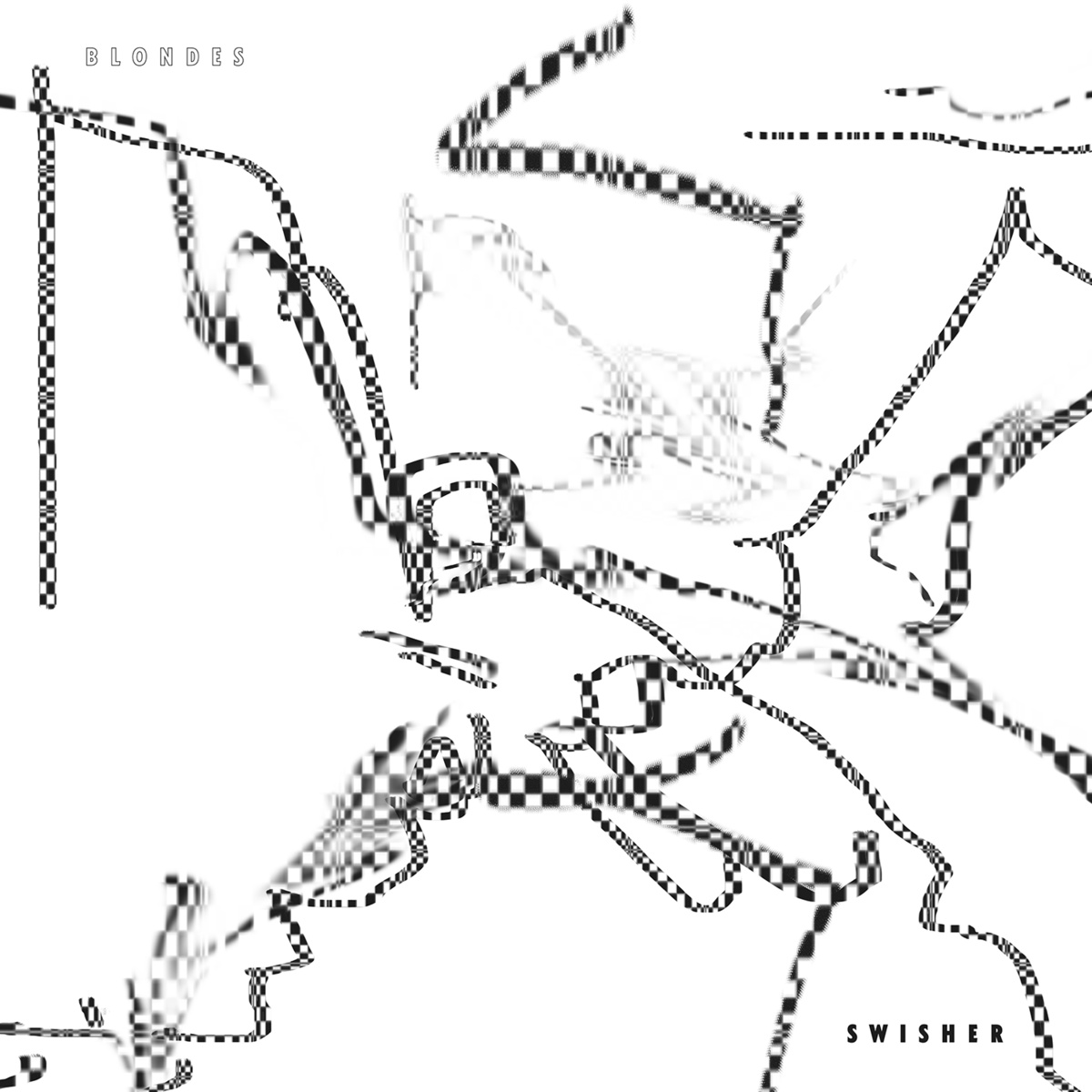
Album Review: Blondes – Swisher

by Rio Toro

0001532276_10

Blondes: Swisher

Similar Artists: Andy Stott, Basic Channel, Surgeon, Anthony Child

Genre: Techno

Label: RVNG Intl.


It might seem at first that NYC’s Blondes are just your standard, moderately talented electronic duo with an absurdly google-proofed name — it also doesn’t help that they bear the unfortunate and misleading tag of being “Hipster House” — however, they happened to prove that they were much more than a product of the blogospheric hype machine with their excellent singles compilation last year, the self-titled Blondes. That debut LP stood out for a lot of reasons, but first and foremost, it showed that Sam Haar and Zack Steinman were two youngsters who were immensely enticed by the powers of dance music; their destiny and purpose was only to find new ways to make us move. Since neither of the members had a background in producing, they created their music largely through experimentation, and in doing so, they happened to bypass many of the common dance-floor cliches. They concocted a refreshing take on the genre, but perhaps the best part about Blondes was that it remained innately techno, and therefore appealed to the hardcore IDM crowd as well as EDM newcomers. Blondes make no-bullshit, dance till you drop, instrumental bangers; there are no ambient interludes, no extravagant genre hopping, and despite what you may have been lead to believe, no pretension.

On their 2nd album, Swisher, released by surprise a few weeks back, Blondes have matured in more ways than one. These aren’t the singles of the first album, and because this is more of a singular piece — recorded during a finite time period — some immediacy has been lost (it must be said). However, now their kosmiche influence feels more cemented, which gives many of these tracks an astronomical edge. Additionally, the music here is more difficult and less formulaic, which really helps it come into its own after a few listens. Take opener “Aeon” for example, which is far more restrained than anything off of their debut — we keep expecting the disjointed bassline to break into a tribal thrust as it did on “Lover”, but that moment never comes — instead, the glistening, ethereal synthesizers come into full view and drift along as though they are part of a living breathing organism. It doesn’t take long to realize that Blondes have become a more dense and texturally minded group than they were before. Thankfully aside from the cleansing opener, they continue to remain firmly rooted in dance music.

Second track, “Bora Bora” is where the action really kicks off; with it’s clanking steel drums, dubby bassline, and cold atmospherics, it recalls the best of Basic Channel and the Chain Reaction label without falling into copycat territory. Blondes know how to play homage to beloved genres by embarking on them from varying viewpoints and adding their own interesting twists. Like “Bora Bora”, much of the album can be considered techno of the “minimal” variety, as the transitions throughout a track are precise and often nearly imperceptible; quite the achievement seeing how many tracks run upwards of 10 minutes without once becoming the source of fatigue.

Although they have always worked with a rather broad array of sounds, their palette has expanded in some interesting new directions. “Clasp” is accompanied by comforting organ drones and “Poland” sounds like an updated version of something off of Aphex Twin’s Selected Ambient Works. The tracks contain a humanistic touch that is transcendental and meditative yet tribal and raw; I still can’t manage to decide whether Swisher is an album more suited towards a summer or winter themed environment. While we are taken on darker territory on “Wire” — a track that recalls the eerie soundscape of Andy Stott — the next song, “Elise”, happens to be just about the most ecstatic thing the duo have recorded, and the two tracks happen to work perfectly together in unison.

As I see it now, Swisher is one of the best techno releases of the year — scratch that — it’s one of the best techno releases in recent memory. While their debut may have been more accessible and party oriented, this comes off as more intelligent and more consistently interesting. It’s varied in terms of sound, yet unified in terms of approach, and it proves their early singles weren’t the fluke many thought they were. In fact, Swisher is so naturally flowing and immersive, that if anything, it sounds like making it was no sweat for the duo. If that’s true, we are sure to hear plenty more in the way of excellency from this group down the road; let’s all hope these artists turn out to be prolific ones.


Track Listing:

1.) Aeon

2.) Bora Bora*

3.) Andrew*

4.) Poland*

5.) Clasp

6.) Swisher

7.) Rei*

8.) Wire

9.) Elise*


Album Highlight – *


Filed Under: BREAKING NEWS, ENTERTAINMENT, MUSIC, OPINION, REVIEWS Tagged With: Album Review, blondes, house, RVNG, swisher, techno

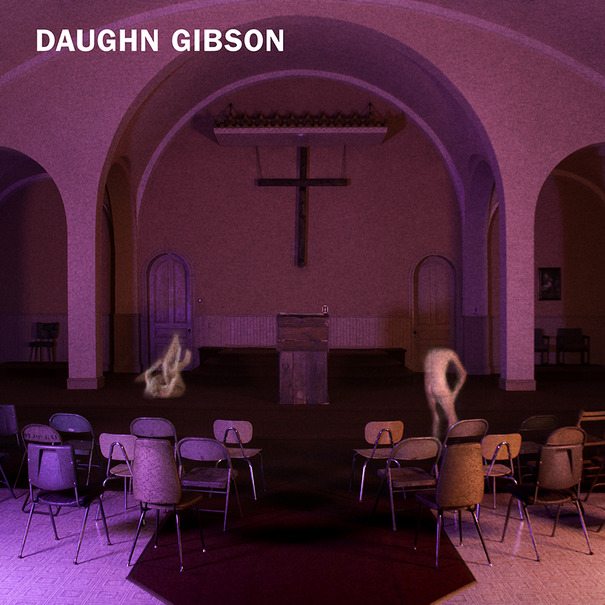
Album Review: Daughn Gibson – Me Moan

by Rio Toro

13145

Daughn Gibson: Me Moan

Similar Artists: Roy Orbison, Johnny Cash, Scott Walker

Genre: Alt-Country

Label: Sub Pop


There aren’t many similarities between country and electronica, so when Daughn Gibson attempted to link the two on his debut, the results were surprisingly glorious. All Hell may not have been a perfect record — “Lookin Back to 99” was a particularly bland homage to late 80’s goth rock — but as a whole, the record represented a very forward looking vision of genre melding. The music proved to be appealing to electronica fans who weren’t into country and vice-versa. Tracks like “In the Beginning”, and “Ray”, managed to encapsulate the evocative yearning of country songs while incorporating a sense of majestic whimsy through use of gorgeous sampling. It was a very promising debut to say the least, and we were all curious to see where his sound would go next.

On his second album, Me Moan, Daughn takes the style he developed on All Hell in broader, full band oriented directions. Where his songs previously mystified and enveloped our senses, here he seems much more content with writing good rock songs. For the most part, these 13 tracks  are “good” rock songs, but much of the elusiveness from his debut has been lost. While sampling is still used quite frequently, it’s quite clear the songs themselves weren’t based around the samples, and there isn’t one song where the acoustic and electronic components are linked as intricately as they were on All Hell standout “Tiffany Lou”. Despite the record being strong in other areas — there are some spectacular high points — this departure is disappointing, as he really did sound like no one else on his home-strung debut. To be fair, there aren’t too many artists that sound like him now either — this is still far from your every-man’s country album — but it’s a much more produced, song oriented and accessible affair then what most of us were probably expecting, and surely not the “sequel” most of us were hoping for.

What has stayed the same is Daughn’s alluringly handsome voice, which if anything, sounds even deeper here than it had been before. It turns out to be a limited instrument though, and since the sampling of more ethereal female voices are few and far between, there is very little to break up its monotony. This problem could have been alleviated with guest vocalists, but unfortunately any vocalists other than Daughn are merely assigned to backing duties. While the instrumentation itself is varied (I’ll talk more about this later), Daughn feels very comfortable endlessly singing in his melancholic baritone with only slight variation. By the end of the album, you’ll be dying to make a joke about its campiness. Some spoken word poetry or even a curdling scream every once in a while would have been greatly appreciated.

The album’s saving grace happens to be the instrumentation and songwriting — which are varied and unique, and capable of picking up the pieces when the aforementioned components of the music are dragging in the mud. Members of Baroness and Brokeback are labeled with production credits, and the whole thing sounds quite well put together and glossy. Despite all my previous gripes with monotony, the track sequencing does happen to emit a nice flow, and the first half of the album in particular has some enthralling and excellently composed music on it. The songs are perhaps the best when they conjure up visions of a sprawling Americana (grassy knolls, rolling hills, windswept shorelines, ect.), but do so with an interesting twist. For instance, the leading instrument in “Mad Ocean” is a bagpipe, but it happens to approach a timbre that is so vibrant it seems to transcend our previous connotations of the instrument.

The experience ends up feeling uneven as a complete statement. Daughn Gibson is a true talent — both as a songwriter and a storyteller — but there is something missing from Me Moan in terms of a larger scope. His SubPop debut was inevitably going to be more produced, but I can’t help but feel his music worked better when recorded in a more intimate and isolated setting. Hopefully, on his next release he’ll be able to combine the best of both worlds.


Track Listing:

1.) The Sound Of Law*

2.) Phantom Rider

3.) Mad Ocean*

4.) The Pisgee Nest

5.) You Don’t Fade*

6.) Franco*

7.) Won’t You Climb

8.) The Right Signs

9.) Kissin On The Black Top

10.) All My Days Off

11.) Into The Sea*


Album Highlight – *

Filed Under: ENTERTAINMENT, MUSIC, REVIEWS Tagged With: All Hell, alt-country, daughn gibsom, me moan, sub pop

Album Review: Arca – &&&&&

by Rio Toro

Arca-

Arca: &&&&&

Similar Artists: Actress, Laurel Halo, Dean Blunt, Shackleton

Genre: Post-Everything

Label: Hippos In Tanks


Great producers are not uncommon in today’s electronic music scene, but as I see it, there are very few that one could actually call “inspiring”; like how J Dilla’s nearly posthumous Donuts led to a slew of L.A. Hip-hop based producers going down a more experimental and sample based approach. More often than not, when something is deemed “new” — like every Tri-Angle release most surely will be — it is more often “new” in the way that it contains modern sound design and software enabled sleekness rather than “new” in the sense that it contains original ideas and aesthetics. It can seem at times like there is little discovery left to be had in terms of musical inventiveness, as almost everything can be sorted into its own micro-genre with relative ease. This is the reason why there is so much clutter in the field of experimentalism lately, as it is where artists seek refuge and take pride in saying “fuck you!” to the norms. However, the most promising producers might be the ones who can pull off being incomparably abstract yet catchy at the same time. It is these producers that are guaranteed to have successful careers.

Brooklyn based/Venezuelan born producer Alejandro Ghersi, who records as Arca, happens to have more than a few tricks up his sleeves, and despite the fact that he has yet to release a full-length worth of material, he is already proving that he is a one of a kind producer. Quite simply, Arca’s music sounds post-everything (post-internet?), and is futuristic in a not such an easily describable way. Adjectives I have came up with so far are kaleidoscopic, celestial, frigid, and tropical (Clearly, I haven’t done a very good job), but he is also clearly infatuated with hip-hop — at least the distorted kind — and the samples he uses manage to give the music its accessibility. It somehow isn’t as weird as label mates Dean Blunt or James Ferraro, although it’s just as experimentally based if not more so. Needless to say, even when his music fills us with so much intrigue, he’s not the easiest artist to write about

As you might imagine, Arca is quite the enigmatic figure. Even after the release of his critically acclaimed Stretch 2 EP, it was quite surprising to see Arca listed with 4 production credits on Yeezus seeing how so little is known of him. Kanye — or whoever may have sought him out — obviously saw that his productions were surgically precise and meticulously detailed yet raw and obviously supportive of a DIY mentality; this is how I can see him being potentially inspiring for future producers. Just listen to the way he loops vocals on “Fossil”, or the shape shifting piano chords on “Century”, or the way he can sound chaotic and adventurous while still maintaining tightly controlled underneath; it’s all you need to hear to take notice of his exceptionality.

&&&&& is a free 25 minute mixtape by Arca released on Hippos in Tanks. There are 14 tracks each running around 2 minutes, but I recommend that you don’t look at the song titles and let it all flow over you as one continuous piece; like the way it’s presented on the artist’s soundcloud page. It’s by far his most mind altering statement to date, and like the gif’s of the cover art being played on a loop on his webpage ( http://www.arca1000000.com/ ), it can also be rather frightening. If there was a social setting you would be allowed to play this mix in, it would be at 5 in the morning after a party when everyone is already dazed and bent out of their minds. If the drug culture gets a hold of this mix — and they surely will — it would be used in unison with the most intense psychotropics (DMT for example), both because it seems to open a portal to a different world as well as its short running time (DMT only lasts about 25 minutes).

The tracks are diverse, and they are based around an incredibly unique sound palette that turns their influences on their heads. Take opener “Knot” for example, which takes a hyper melodic kosmiche inspired keyboard pattern to verifiable extremes of frequencies. He turns ugly, dated sounds and makes them interesting again — like the ancient hip-hop beats and ambient textures that pervade the mix. Even at the most high pitched moments, it sounds majestic instead of noisy, and we never once feel like Arca doesn’t know what he’s doing.

There are moments on &&&&& where a musical style is at play that I really feel hasn’t been explored before. Better yet, it doesn’t feel like a fluke either. The 14 tracks here express a smorgasbord of intriguing musical developments and is essential for anyone even slightly interested in experimental music. It may only be a mixtape — and a brief one at that — but it just may happen to rival the best full lengths of the year.


Track Listing:

1.) Knot*

2.) Harness

3.) Fossil*

4.) Feminine

5.) Anaesthetic*

6.) Coin

7.) Century*

8.) Mother

9.) Hallucinogen

10.) Pinch*

11.) DM True

12.) Waste

13.) Pure Anna

14.) Obelisk*


Album Highlight – *

Filed Under: ENTERTAINMENT, MUSIC, OPINION, REVIEWS Tagged With: &&&&&, arca, experimental, hippos in tanks, post everything

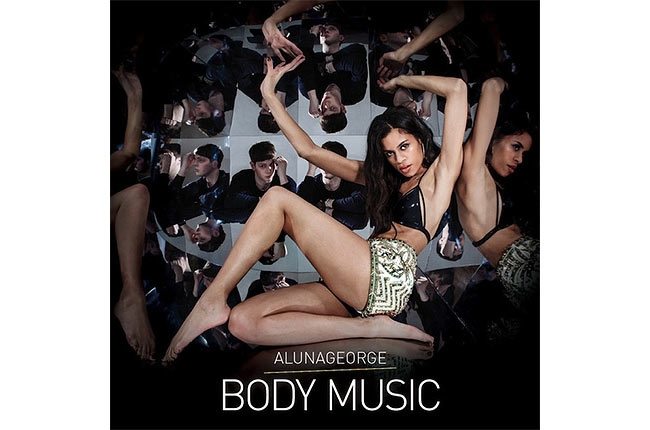
Album Review: AlunaGeorge – Body Music

by Rio Toro

alunageorge-body-music-album-650-430 (1)

AlunaGeorge: Body Music

Similar Artists: Purity Ring, Charlie XCX, Inc.

Genre: Pop/R&B

Label: Vagrant


I was at first disheartened when I came face to face with the wave of “indie” artists who were embracing the sounds of modern radio — specifically the sounds of bubblegum pop and electronic focused R&B (the ones which nearly always contain some kind of glitchy vocal samples from the female vocalist). Don’t get me wrong, I adore pop music — I have no qualms admitting this — but I also feel that the radio has failed us when it comes to variety, or in awarding us any perceivable freedom with our choice of selection. After all, many of us entered the world of “indie” music for the sole purpose of escaping the hollow, cookie-cutter sounds that are endlessly rehashed over the FM waves. However, after further listening, it turns out that the best artists from this indie pop revolution are indeed advancing the limitations of these tainted “pop-radio” genres by approaching them with an experimental aesthetic and a keen ear for sound design.

The London duo of Aluna Francis and George Reid are the next in the wave of “hotly anticipated” acts who are said to be ushering in a new era of pop music. Granted, while there’s nothing on AlunaGeorge’s debut album that sounds miles away from the current strands of top charting radio, Body Music manages to be accessible, catchy and left of center all at the same time. You’ll immediately be reminded of groups like Purity Ring; although I would say that AlunaGeorge are less formulaic and more innately talented than them. Through the 13 tracks, the duo seem to go back and forth from maximalist, club oriented songs like those from Charli XCX, to minimalist, sensually moving tracks like those from Inc.’s debut No World. The thing is, the duo seem to not know which one of these styles they have perfected (hint: it’s the latter). It’s during the more somber, melancholically led pieces where we hear some real hard earned honest emotion from the duo. The songs that tackle these themes, such as “Outlines”, “Diver”, and “Friends to Lovers”, all contain lower BPM’s and are close to perfect in their own right, whereas the more dance oriented tracks such as “Lost & Found” and “Superstar”, are tightly sung and smartly produced, but overall unremarkable for a lack of ingenuity.

The musicianship on the album is consistently excellent, but after AlunaGeorge topped the UK charts a few months back with “White Noise”, they probably felt a lot of pressure to bring out the bangers with this release. Still, they should know that they don’t need to “go big” to make the necessary splash. The fact that major label artists are often pressured to make chart topping singles might be the main reason they are so frequently forgotten with time — as another artist is sure to outdo the last when it comes to louder drums and more radiant synths. The previously released “Your Drums, Your Love” happens to be the album’s one exception to big = forgettable, as it ends up sounding crowd pleasingly massive as well as acutely tuned emotionally — like every great single should be. Sadly, while “Best Be Believin” does its best to become the pivotal album climax — as it includes a grander array of instruments, such as acoustic guitar, piano, and a choir — in the end, it feels as if they tried too hard to make a spectacle out of it. Consequently, it doesn’t feel as honest or real as the best material here.

It’s quite ironic that the best bits off of an album called Body Music happen to be the least dance oriented ones, but it turns out the album title has more to do with the album’s lyrics — which deal with the most basic of human needs: to have physical human interaction. Aluna deals with this theme accurately lyrically, and as it turns out, the two are indeed good songwriters — although certainly not yet in the top tier. Still, although the album is far from perfect, it shows undeniable promise, especially when it’s at its most introspective. Few pop acts have the power to keep us enticed without the use of in your face bass and frenetic sampling; while AlunaGeorge certainly do bombard us with these elements a handful of times, it’s during the quietest moments where we peer into their hearts and realize their true potential.


Track Listing:

1.) Outlines*

2.) You Know You Like It

3.) Attracting Flies

4.) Your Drums, Your Love*

5.) Kaleidoscope Love

6.) Bad Idea

7.) Diver*

8.) Lost & Found

9.) Best Be Believin

10.) Superstar

11.) Just A Touch*

12.) Body Music

13.) Friends to Lovers*


Album Highlight – *

Filed Under: ENTERTAINMENT, MUSIC, REVIEWS Tagged With: Album Review, aluna francis, alunageorge, body music, george reid, pop, R&B, vagrant

  • « Go to Previous Page
  • Page 1
  • Interim pages omitted …
  • Page 3
  • Page 4
  • Page 5
  • Page 6
  • Page 7
  • Interim pages omitted …
  • Page 10
  • Go to Next Page »

Primary Sidebar

Navigation

  • HOME
  • OPINION
    • REVIEWS
  • BUSINESS
  • LGBT
  • ENTERTAINMENT
    • ARTS
    • MOVIES
    • MUSIC
    • TELEVISION
    • THEATRE
  • LIFESTYLE
    • TRAVEL
    • FASHION
    • HEALTH
    • FOODIE
    • STYLE
  • POLITICS
  • SCIENCE
  • SPORTS
  • TECHNOLOGY
  • U.S.
    • NEW YORK

Footer

  • ADVERTISE
  • TERMS OF SERVICE
  • CAREERS
  • ENTERTAINMENT
  • Home
  • Contact
  • Legal

Copyright © 2026 · ManhattanDigest.com is run by Fun & Joy, LLC an Ohio company · Log in

Loading Comments...