
• Skip to primary navigation
  • Skip to main content
  • Skip to primary sidebar
  • Skip to footer

Manhattan Digest

All you need to know about Manhattan culture and so much more...

  • LIFESTYLE
  • ENTERTAINMENT
  • LGBT
  • OPINION
  • TECHNOLOGY

music

Album Review: Factory Floor – Self-Titled

by Rio Toro

factory-floor-factory-floor

Factory Floor: Self-Titled

Similar Artists: Blondes, Cold Cave, Peaking Lights, Throbbing Gristle

Genre: just read the review

Label: DFA


New Order may have started the whole alternative dance movement in the 80’s, but with all the varying sub-genres of Alt-Dance and Indie-Dance in 2013 we couldn’t possibly thank New Order for all of it (we could probably thank James Murphy for most of the recent strands though). For instance, Factory Floor are a band who draws influence from an incredibly diverse background; most of it which doesn’t even relate to dance music in the slightest. Categorized by sharp tones and rapid-fire arpeggiators, elements of their sound can be traced to noise, post-punk, industrial, ambient, disco, acid house, no wave, and psych-rock to name a few.

We’ve all heard acts that have attempted this kind of skewed, psychotropic genre melding before — hell, there are even entire labels devoted to noise-techno nowadays — but the thing is, Factory Floor merge these competing styles with a hard hitting, minimalist edge, and they come off with a rather concise sound palette despite their wide array of influences. In fact, the tracks off of this long awaited self-titled debut are just about everything but overblown, as it’s not uncommon for the trio to consciously repeat a single synth line for upwards of ten minutes. It’s a good thing, then, that this trio understands the power that comes with repetition. They come off as engineers first and musicians second, as their tracks evolve through the use of effects and filters rather than chord changes. However, what they lack in melody they more than make up for in momentum; even at its most experimental, Factory Floor never loses its heady appeal.

Seriously though, don’t let the off-kilter design fool you, this is an album meant to move  to; or to borrow a track name, to “Work Out” to. Excepting the somewhat unnecessary interludes (titled “One” “Two” and “Three” respectively) this is the kind of album that will ignite dance floors. Just about every time I’m about to say a track isn’t doing much for me, it magically picks up and kicks me into a steadfast, krautrock infused groove. And just because the trio are wholeheartedly devoted to the principle of repetition doesn’t mean they don’t find interesting ways to make their music evolve. Nik Colk Void’s robotic, reverbed vocals — which land somewhere between Kim Gordon’s and Peaking Lights’ Indra Dunis’ — add necessary depth, and her lyrics are effectively used to build a sense of claustrophobic tension. Early single “Fall Back” is the best example of this, as Void asks /did it feel like you were going to fall on the ground?/ in a flat, emotionless tone that captures the group at their most unified. The vocals are never the defining element of the music though, and they do occasionally feel like a needless distraction. The percussion, however — as on most DFA releases — is downright tangible, and the heavy assortment of snare hits, hi-hats, bongos, and kick drums work in unison to create some truly epic and unexpected climaxes.

As much as I love many of these tracks, this isn’t an album you’re going to want to play on repeat for hours on end.  It’s under an hour — which isn’t particularly long for a techno full length — but while each track sees a slight stylistic change in sound, they all give off a similar effect. As a whole, Factory Floor  can come off as slightly underwhelming; the aforementioned interludes sound like afterthoughts, and “Breathe In” is a particularly anticlimactic closer. It leads one to believe that these tracks would work better as singles, when they can play their part within a larger, culminating DJ set. It represents the difference between a good album and a good set of songs; needless to say, this is more the latter.

Every year, dance music has been becoming more and more popular within the once quite conservative world of indie rock. Factory Floor isn’t anywhere near as accessible as some of the recently acclaimed dance albums (Disclosure’s Settle for instance), and it isn’t the second coming of LCD Soundsystem that some fans originally hoped, but it just might happen to be some kind of breaking point for the genre. I have yet to show someone “Fall Back” — or any of the other singles off this album for that matter — who weren’t immediately intrigued by the edgy, no-bullshit feel this group has going for it. If these tracks are used the way they should be by DJ’s and producers alike, they just might happen to take us to new heights.


Track Listing:

1.) Turn It Up*

2.) Here Again*

3.) One

4.) Fall Back*

5.) Two

6.) How You Say

7.) Two Different Ways*

8.) Three

9.) Work Out*

10.) Breathe In


Album Highlight – *


Filed Under: ENTERTAINMENT, MUSIC, OPINION, REVIEWS Tagged With: Album Review, alternative, dance, DFA, factory floor, music

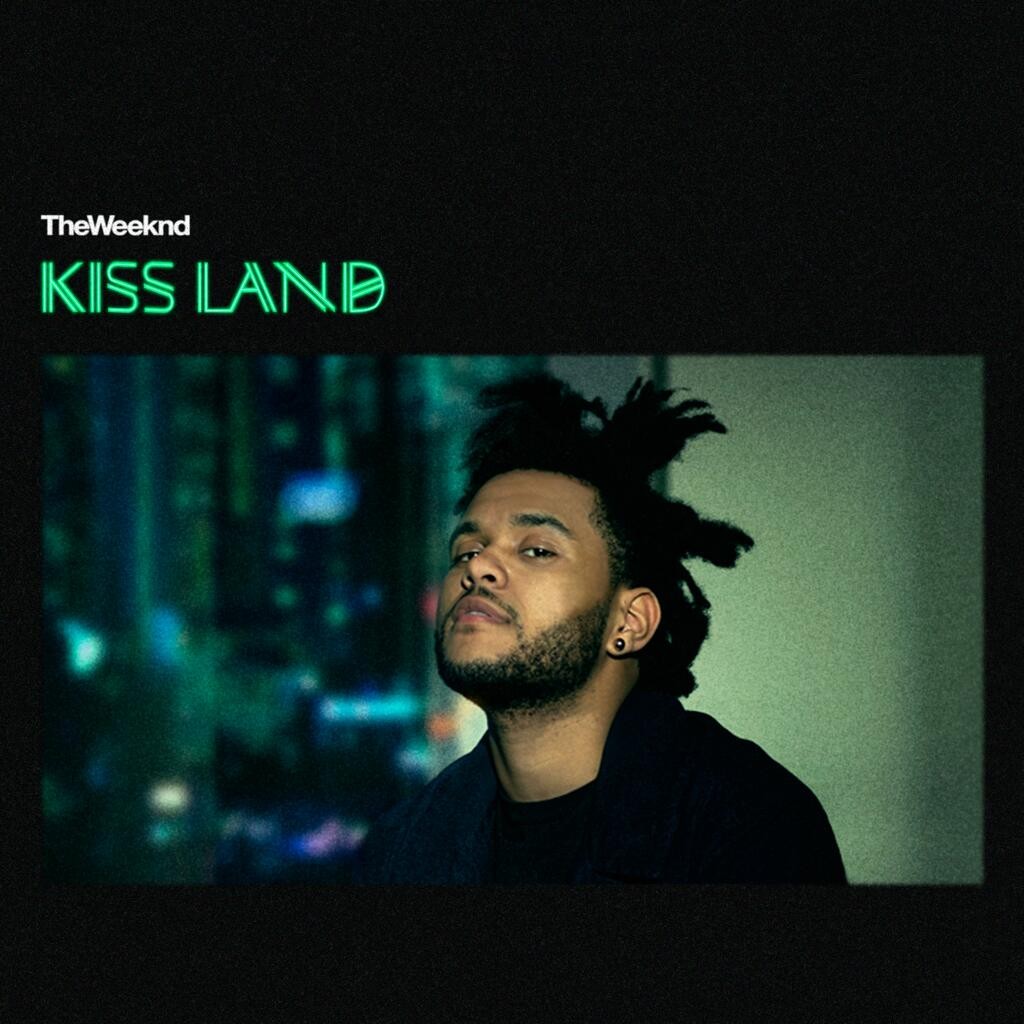
Album Review: The Weeknd – Kiss Land

by Rio Toro

weeknd

The Weeknd: Kiss Land

Similar Artists: R. Kelly, Michael Jackson, Prince, Danny Brown

Genre: Cinematic R&B, Trip-Hop

Label: Republic


In some ways, it has always been a part of our culture, but it seems like every year, society becomes increasingly obsessed with the self-destructive behavior of its celebrities. From Britney Spears, to Lindsay Lohan and Miley Cyrus (the ones who get into the business too young), we have highlighted these artists’ downfalls and enjoyed them as entertainment. These stories, as we know them, have become inescapable, as they are reported over the airwaves and printed in magazines on a near 24 hour basis; feeding into a sort of collective social consciousness. As of late, even widely respected publications like CNN have posted a leading article about Miley’s much maligned “Twerking” episode at the VMA’s. I’m not bringing up these points to talk about the failure of the human race or anything boring like that though, as I feel this infatuation of ours is hardly unwarranted. Why wouldn’t we be intrigued by this unknowable, parallel world that is the Hollywood lifestyle? After all, it has managed to capture and wreak havoc among so many of the world’s most gifted and talented people. As it happens though, we’re only examining this phenomenon through a highly distorted lens, and as common folk, we can never truly understand this alien world without first succumbing to it. As The Weeknd puts it, /this ain’t nothing to relate to, even if you try/.

Abel Tesfaye, main-man behind the Toronto based R&B outlet The Weeknd — who along with producers Doc McKinney and IIIangelo made a commercial and critical splash with three self-released 2011 mix-tapes — happens to know a lot about this parallel world. Over the past year and a half, the once enigmatic figure has rapidly been pulled away from his quiet hometown into the fast-paced, drug addled, sex crazed life of stardom. On this proper debut LP, he chronicles his voyage into this horrifying place — the place he likes to call Kiss Land — and it stands as a heartbreaking concept album of love vs. fame. This Kiss Land is a dark, loveless place, riddled with loneliness, a lack of honest emotion, and most of all, a lack of human connection. While The Weeknd have dealt with similar themes in the past, here it is implemented on a much grander, deeper, and thought provoking scale.

Since I do consider this a concept album, I’ll start with the first track, the 6 minute “Professional”, which expertly documents The Weeknd is their fresh, cinematic skin. Tesfaye immediately sets the tone with the lyric /You’re a somebody now, but what’s a somebody in a nobody town/, and speaks of his strife in keeping a hold on reality, along with the feelings that come with it. The production chops kick in at full blast during the midway point with an eerie, whispering female vocal sample and an epic bass drop that will likely scare away anyone not ready for the remaining themes to come. Expectedly, the story starts to unravel on “The Town”, as we learn about Abel’s love interest — a girl he left to go on tour — who as many will see it, remains a central theme on the remaining songs to come. Once again, this track is treated with a surprising direction change halfway through when we are greeted to a shimmering, metallic synth pattern that makes everything sound twice as serious, without catering too easily to dance fare.

There’s loads to enjoy here production wise — this is indeed a step up from the already expensive sounding Echoes of Silence. In an interview (of which there are very few) Tesfaye stated how the sound here is as much indebted to film scores as it is to Trip-Hop, which is easy to tell, as the fragmentary ambiance from horror films seems to be constantly leaking through the pores. The producers really get to show off on “Wanderlust”, which impressively stacks layers of pitch shifted vocal samples and disco infused synth patterns to delirious effect.

The Portishead sampling “Belong to the World”, ends up being the emotional centerpiece of the album, as it’s where Tesfaye gives up on trying to find “the one”; at least for the time being. Emotional disconnect is a theme on several tracks, and as the album unfolds Tesfaye comes to the conclusion that he isn’t meant to find love; his life draining personality is simply too much for the few people he wants to be with. When he sings /We’ll find a love in the sky/, he’s basically saying “we’ll find a love when we die”. He also ends up admitting that he isn’t a good person — which is a good thing, because with his repulsive, chauvinistic lyrics and women-as-objects philosophy, he truly isn’t.

Like Danny Brown, much of the subject matter here revolves around, well…being a douchebag, but if you’re listening correctly you certainly wouldn’t be tempted to follow in Tesfaye’s footsteps. Take the title track for example, which revolves around using a photographing groupie wandering backstage for sexual gain, /the only thing you’re taking, is your clothes off/. It’s a beguiling track that’s riddled with blood curdling screams, self provoked insomnia and the want to die young — but the harrowing tone makes it immediately clear that this is representative of Abel at his most distraught.  One must realize that Tesfaye is playing the villain in these tracks. He’s testing his boundaries as a vocalist, and is eager to see how much he can get away with while singing in his majestic, silky smooth voice.

Kiss Land ultimately works because we feel like Tesfaye is trapped in this alternate, success bearing universe, in which all choices he makes are inevitable. On the chorus of the Drake featuring “Live For” when he sings /this the shit that I live for, with the people I die for/  he may be boasting, but it’s because boasting is all he has left. When you think about it, that’s actually quite traumatic, especially when one gives up their freedom to do so. All the built up emotions come to a close with the spectacular, piano driven “Tears in the Rain”, in which Tesfaye mourns his faded love affair and the lack of any remaining spark in his life.

Reviews so far for Kiss Land have been very mixed (currently holding a 67% on metacritic compared to the combined 83% of their previous releases), but I feel people are missing the point. There’s all this talk about this being an album about “the good life”, and to some extent, it is, but the word “good” becomes twisted to such an unrecognizable degree that we begin to fear the life we crave. Sure, there’s an abundance of questionable lyrics, but The Weeknd want them to be questionable. I dare you all to look a little deeper with Kiss Land, The Weeknd aren’t kidding around when they say this is their debut.


Track Listing:


1.) Professional*

2.) The Town*

3.) Adaptation

4.) Love in the Sky

5.) Belong to the World*

6.) Live For

7.) Wanderlust*

8.) Kiss Land*

9.) Pretty

10.) Tears in the Rain*


Album Highlight – *

Filed Under: BREAKING NEWS, ENTERTAINMENT, MUSIC, OPINION, REVIEWS Tagged With: Abel Tesfaye, Album Review, kiss land, music, R&B, the weeknd, Trip Hop

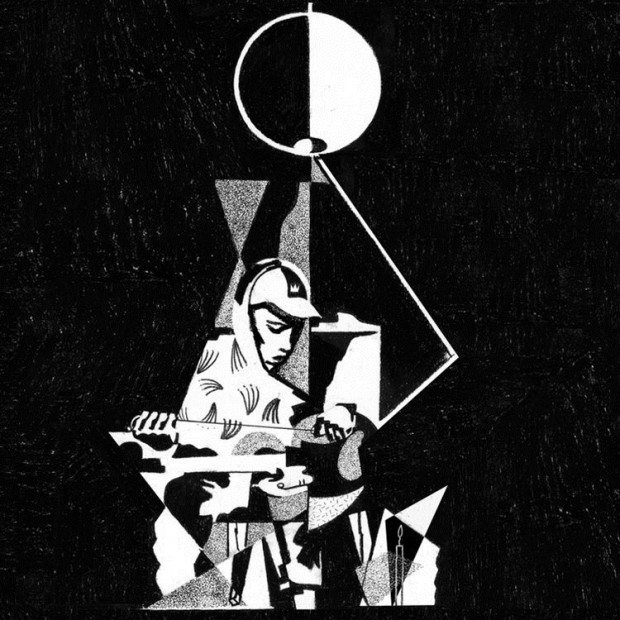
Album Review: King Krule – 6 Feet Beneath The Moon

by Rio Toro

kingkrule-620x620

King Krule: 6 Feet Beneath The Moon

Similar Artists: Willis Earl Beal, Earl Sweatshirt, Daughn Gibson

Genre: Half-Rap, lo-fi, Blues, Soul, Dark-Wave?

Label: True Panther Sounds


Honesty goes a long way; it can turn an alright album into a great one, or a forgettable one into a classic. More importantly, when an artist opens his world to us, we tend to be more likely to invest our own selves into the music, creating a shared bond between the creator and listener. Also, albums where the musician lays themselves emotionally bare are the ones most widely accepted as art (Plastic Ono Band being the first thing that comes to mind). Although I don’t give any of the albums I review a number based rating or score, these are the ones that simply can’t be given one, as they must exist as creations of man and be embraced with any flaws or errors they may have.

Of course, if we want to be entertained, the artist must also complement this honesty or realness, with other, equally impressive feats; so it’s a good thing that King Krule’s attractive guitar playing and very untraditionally attractive voice make for such a harrowing mixture. So much, in fact, that his songs can, and do, often ride on those two elements alone; case in point being early single “Out Getting Ribs”, featured here in slightly tweaked fashion. It turns out though, that that introduction to this artist’s world was just the tip of the iceberg.

King Krule is London’s Archy Marshall, who previously recorded as Zoo Kid (until he remembered how awesome the Donkey Kong Country games were, I suppose). If you haven’t seen a picture of this dude, I recommend you do so right now, because between his grueling, darkly chilling baritone, boney facial structure and bright red hair — comparable to a young Ron Howard (albeit a tough-as-nails one) — there’s not much else that seems as haphazardly mismatched. After an exciting, self-titled EP and a few tremendous guest spots on releases from Mount Kimbie and Angel Haze, the teenager has released his debut full-length 6 Feet Beneath The Moon, and on his 19th birthday no less!

What’s so surprising and often hypnotic about these 14 tracks is how much diversity is played out among them. For a kid who wrote these songs around or before the time he was even legal, he has a perplexing amount of musical breadth and knowledge. It’s no wonder he has such a boastful aura surrounding him. His baffling range goes from the single ready, mood setting opener “Easy Easy”, to the tropical-tinged “Border Line”, to the falling apart emotional bombast of “Has this Hit?” within the first three songs alone. The record gets even more unpredictable from there though, as Krule chronicles his loss through a lustrous ballad,”Baby Blue”, the stomping, tour-de-force jazz of “A Lizard State” and the suicide-riddled dream piece “Cementality”. He’s also taken a thing or two from both the U.K. bass scene and the L.A. beat scene, and he uses the two to string together a darkly ominous mood that permeates the album in full.

Thanks to his penetrating voice, Archy is well equipped to deal with issues relating to hardship and heartache, and he manages to be pretty convincing no matter what theme he is tackling. His unique flow of singing/rapping feels very stream of consciousness, and although he will occasionally throw us a sour rhyme or a particularly unflattering slur (pussy, fat-bitches), he comes through as sincere. It’s also a good thing that his voice is always up front and center, because even after countless listens, its idiosyncratic qualities remain the true highlights of 6FBTM. I’ve become mesmerized by how he can at times have so much control over his voice, only to break out into a nearly undecipherable drawl a few measures later. Its like he’s letting his vocal cords hang outside of him and bleed onto his compositions.

Like every teenager should be, King Krule isn’t one to hold back. His compositions are raw and unfiltered in the way only a young artist’s could be, but he’s so much more than that as well. 6 Feet Beneath The Moon may not be for everyone, and it may only be a stepping stone in this artist’s hopefully long and fruitful career, but as it stands now it’s an unflinching portrait of Archy Marshall. The fact that he’s an artist who deserves to be heard just happens to be a huge plus for us.


Track Listing:

1.) Easy Easy*

2.) Border Line

3.) Has This Hit?*

4.) Foreign 2

5.) Ceiling

6.) Baby Blue

7.) Cementality*

8.) A Lizard State*

9.) Will I Come

10.) Ocean Bed

11.) Neptune Estate*

12.) The Krockodile*

13.) Out Getting Ribs*

14.) Bathed in Grey


Album Highlight – *

Filed Under: ENTERTAINMENT, MUSIC, OPINION, REVIEWS Tagged With: 6 feet beneath the moon, Album Review, king krule, lo-fi, music, soul, true panther sounds

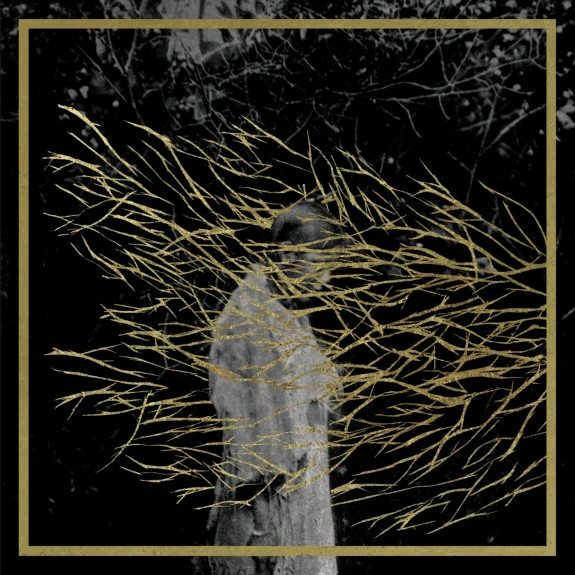
Album Review: Forest Swords – Engravings

by Rio Toro

FOREST-SWORDS-ENGRAVINGS-575x575

Forest Swords: Engravings

Similar Artists: Burial, Earth, The Haxan Cloak, Arca

Genre: Psych, Dub, Bass, Experimental

Label: Tri-Angle


In these perfectionist times, three years is not such an unreasonably long incubation period for a full-length album, but after the mouth watering psych-rock/dub fusion that Matthew Barnes concocted on his first release as Forest Swords — the immeasurably stellar Dagger Paths EP — his follow up has been one of the truly exciting things to look forward to in music. If you aren’t familiar with Forest Swords, ever since 2010, the English producer has gained wide acclaim and a steady cult following due to his unique, genre-melding style. Even with such a scarcity of material, he stands as a touchstone in today’s experimental music scene, and a prime example of how new forms of music are far from obsolete.

Much of Barnes’ success can be attributed to his singular musical style, which mixes the aforementioned genres with other, even harder to trace ones (noise, drone, jazz) into a living, breathing organism. However, while he’s rooted in the abstract, the music is given its levity through a sound palette that is earthly and humane. The appeal to Forest Swords lies with the array of sharp, psychedelic guitars mixed within heavily detailed and expansive electronic compositions. It can be a challenge to discern what is being sampled (if anything), as everything flows so seamlessly within one another. Although he does “borrow” the emotive, ghostly vocal samples of Burial, he does so in a way that remains naturalistic and evocative. For instance, the voices (which are mostly his own) often sound grainy and decayed from the inside out, yet they don’t lose their ethereal qualities through the process.

Atmosphere, however, is where Forest Swords truly makes its strides. Tracks often conjure images that are both nightmarish and skeletal, but strangely, these “dark”  soundscapes are represented through stark, bioluminescent instrumentation. When there’s a key change, you’re going to notice, because this is music that tends to penetrate on a gut level; almost as if a post-rock or metal song were slowed down to an unrecognizable state. Needless to say, it lends itself more easily to woodsy, outdoor environments than clubby indoor ones, and due to its high emotive qualities, it’s perhaps most intended as introspective headphone music.

It turns out it was a good thing he took the time off, because this acts as the thirst quenching follow-up we’ve been waiting for. Matthew Barnes continues to develop his singular vision through Engravings — his first release for Tri-Angle — and he does so with a newly developed level of maturity that makes this his most refined release yet. While Dagger Paths had the ability to ride on the immediate shock and “wow” factor of its sound, Barnes knows he can’t simply repeat his previous successes — so this ends up being both a return to his former style as well as a move away from it. As a whole, Engravings does remain similar in style and tone to its predecessors — you won’t be mistaking this for any other artist — but thankfully, this effort isn’t a simple copy and paste procedure either.

This is a more restrained and minimal effort for the artist, and some of the immediate boldness on previous releases seems to have dissipated with age. Because it’s less showy and attention seeking than the Forest Swords or yore, it might take a bit longer than expected to sink in. Tracks like “Gathering” — which focus on spliced up vocal samples — sound particularly barren at first, and its clear Barnes is going for a more subtle, slow burning approach. It pays off though, and the structure of the album flows similarly to The Haxan Cloak’s Excavation (another exceptional Tri-Angle release from this year), as certain pieces act as interludes for more epic, single oriented tracks (“The Weight Of Gold”, “Thor’s Stone”, “Friend, You Will Never Learn”). However, if you want to get the full enjoyment out of this record, I suggest you play it loudly, as it seems the most profound aspects of the music are hiding.

There’s still plenty of risk-taking going on, such as on “Thor’s Stone”, which expertly introduces avant-jazz elements, or “Irby’s Tremor”, with its sharp orchestral flourishes. Piano is another instrument that is incorporated into many of these songs, sounding all the more curious for being the one element not treated with effects. Best of all are the vocals, which seem to be implemented in a fresh and interesting way on every track; he even works with the rare outside vocalist on the lovely “Anneka’s Bottle”. While what these vocals are actually saying is usually pretty undecipherable, I find this makes them even more emotive, as we are allowed to interpret them as we see fit. The finale, “Friend, You Will Never Learn” — if you can tell from the title alone — is particularly heartrending, and at 8 minutes it easily stands as a career highlight for the artist.

As good as it sounds now, i’m putting money down that Excavations is a grower. It’s a record that often causes me to feel hazy for minutes at a time, and I will often drift off into thought and miss entire songs. All the pieces are in their right place, but it’s almost as if I can’t see all of them in my current state. It would be too easy to say I occasionally get bored while listening to this album — but it’s really not that at all — I’d much rather blame my fading attention on how this is a record that sounds painstakingly, and most of all effortlessly, ahead of its time.


Track Listing:

1.) Ljoss

2.) Thor’s Stone*

3.) Irby Tremor*

4.) Onward

5.) The Weight Of Gold*

6.) An Hour

7.) Anneka’s Bottle*

8.) Gathering

9.) The Plumes

10.) Friend, You Will Never Learn*


Album Highlight – *

Filed Under: ENTERTAINMENT, MUSIC, OPINION, REVIEWS Tagged With: Album Review, bass, dub, engravings, experimental, forest swords, music, psych, Tri-Angle

Album Review: Shigeto – No Better Time Than Now

by Rio Toro

GI-184_cover_1500x300_540_540

Shigeto: No Better Time Than Now

Similar Artists: Flying Lotus, Thundercat, Four Tet, Bibio

Genre: Electronica, IDM, Improvisational-Jazz, Wonky

Label: Ghostly International


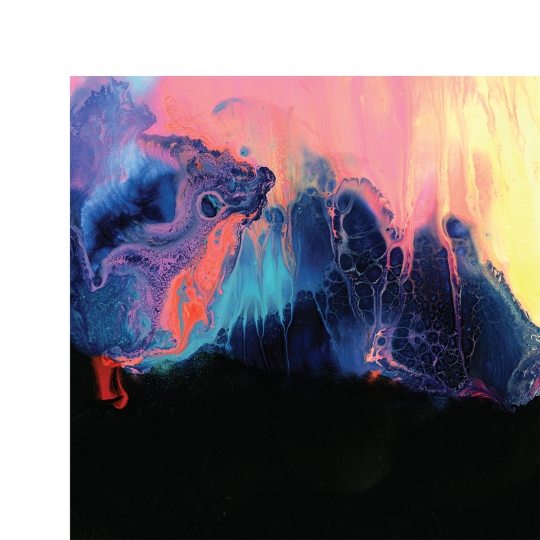
Let’s all take a minute to absorb the beautiful and absorbent cover art to Shigeto’s latest full length (posted above), No Better Time Than Now. It’s the kind of bright, Asian-tinged water color painting we see frequently among album artwork — especially those of abstract-leaning electronic artists — but still, its vibrant textures and colors seem to leap out from the print and engage the viewer despite a lack of true “originality”. Here lies a notable parable within the music of Shigeto, as while his music easily recalls the kind of spacey, jazz-influenced electronic music recently popularized by Flying Lotus and his Brainfeeder label, it does so with its own individual flare for style, and at its best it even seems to exist somewhat above its contemporaries. I’m not necessarily saying that Shigeto has “perfected” the style brought upon by FlyLo, but only that he has created the next version of it, and thus it exists on a newly developed scale. And yes, I know, with a title like No Better Time Than Now, it would be easy for one to become unwarrantedly sucked into the so-called modernity of it all — and in doing so overrate the album — but title aside, this stands as an accurate representation of where we are in 2013 as far as achieving a state of perpetual chill out bliss.

Shigeto’s previous releases — most notably his criminally underrated Lineage EP — showed off Saginaw’s excellent musicianship — specifically his intricate percussive patterns — but here, he comes into his own as a true producer; one who is capable of forming a neatly contained universe of sounds, where each theme complements the last to form a piece that is larger than the sum of its parts. With that said, drumming might still be the defining aspect of these tracks, as he consistently and adeptly circles through his arsenal of percussive equipment: congos, chimes, tamborines, thumb pianos, timpani and maracas to name a few. Just listen to how busy a track like “Detroit Pt. 1” or “Ringleader” is, and how every few measures there is a clear, noticeable progression, yet the track never feels bloated or overwrought. Only on “Perfect Crime” does Saginaw perhaps become too fully indulged in percussion elements to the point where the remainder of the track becomes drowned out.

Certainly though, with an album with such an obvious jazz influence, their are plenty of space-age keyboards and woozy synths in the mix, and there are tracks which implement more traditional jazz instrumentation; one being the lounge laden “Miss You”, which is practically begging to be put on your relaxing grooves playlist. The chord progressions on tracks like the opener, “First Saturn Return” and the title track are especially notable, as they are impressive from a purely musical standpoint, while also feeling deliciously thick, saturated, and well….”new”. It’s also quite clear that many segments were built off of improvisations, which adds to the feeling of this being an authentic and honest account of who Shigeto is as a musician. Excepting the finale, there are no vocals to be heard on the album, and as far as I can tell, the only samples are those of environmental noises such as falling rain and birds chirping; both of which give the music a very naturalistic vibe. Despite the astral, spaceship conjuring themes on tracks like “Detroit Pt. 1”, when all is said and done this isn’t a bad album to go hiking with.

Unfortunately, on the second half of the album — which is slower paced, more ambient in nature, and less progressive — it turns out that there are some weaker tracks that don’t have as much going for them musically. While “Miss You” originally stands out for its soft, clean-cut guitar, during its second half the mind starts to wander, and it is here — on the 6th of 11th track — where pacing becomes problematic. The following track “Ritual Howl” is notable for its eerie atmosphere, and would have possibly worked nicely as an interlude, but with its 4:28 running time it lacks the intense musicianship featured on the rest of the album. “Soul Searching” is one of the more abstract pieces, and despite the off-kilter, clickety-clock percussion that runs through the 5 minute track, it feels ungrounded and directionless. Its easy to ignore these faults, especially at first, because the musicianship is there, and the sounds — which radiate with a comforting, effervescent warmth — are also there, so you’re not necessarily going to be looking for things to complain about. Also, since the quality jumps back to “A” on the final two tracks, it’s easy to forget that the album was only perfect 7/11ths of the time.

With its fresh, modern take on electronica, there’s a whole lot to love about No Better Time Than Now. From its loads of personality, to its seemingly endless virtuosity, you’ll be hard pressed to find an electronica album that reaches the heights of this one in 2013. I was ready to give it my highest honors after my 3rd and 4th listen; before my incessant listening had to go and ruin it all, that is. It may not have much cross over potential, and it may not be much to come back to come 2014, but as for those of us living in the here and now, this may be as spectacular as it gets.


Track Listing:

1.) First Saturn Return*

2.) Detroit Part 1*

3.) Ringleader*

4.) Perfect Crime

5.) Olivia

6.) Miss U

7.) Ritual Howl

8.) Soul Searching

9.) Safe In Here

10.) No Better Time Than Now*

11.) Silver Lining*


Album Highlight – *

Filed Under: BREAKING NEWS, ENTERTAINMENT, MUSIC, OPINION, REVIEWS Tagged With: Album Review, electronica, ghostly international, idm, jazz, music, no better time than now, shigeto

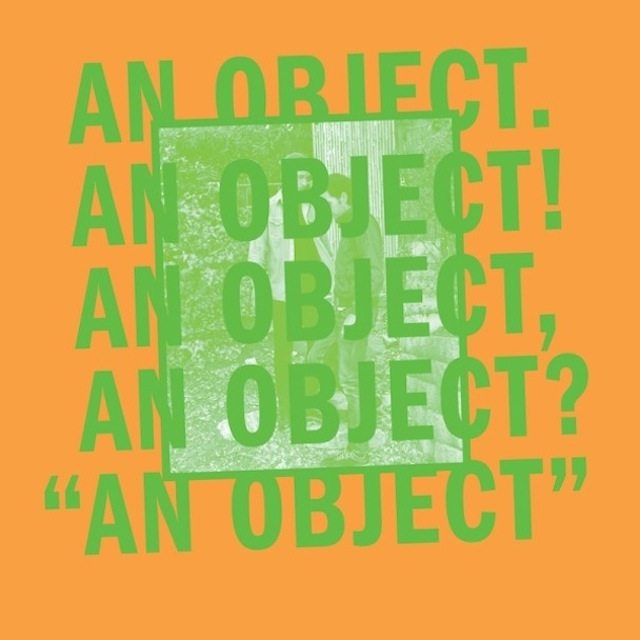
Album Review: No Age – An Object

by Rio Toro


No-Age-An-Object

No Age: An Object

Similar Artists: Deerhunter, Times New Viking, Wavves

Genre: Lo-Fi Rock, Punk, Noise Pop

Label: Sub Pop


Despite being a No Age fan ever since their ’07 to ’08 heyday, after listening to An Object on and off for about a day and a half, I really had no intention of formulating my thoughts into a review. Overall, I felt my opinion correlated with quite a few other reviews I had read, and besides restating those same facts and points, I didn’t think I had anything worthwhile to contribute to it. It’s an album that’s hard to love — with its shoddy production, murky atmosphere and absence of the hard boiled drumming the band is known for — but the more I thought of it, No Object was just as hard to hate, and despite Dean Spunt and Randy Randall’s attempts to “destroy” the record’s appeal with a whacked out presentation, it manages to survive as an enjoyable and catchy punk record all the same.

First, I’ll go over the not-so-great aspects of the record. “Muddy” is the first adjective that comes to mind when listening; both in terms of the quality of the instrumentation and Dean’s achingly sour vocals. Sure, lo-fi music is nothing new — and the limits of Dean’s voice were always apparent — but their last album Everything In Between saw the duo experimenting with a broader sound palette; in comparison, this has much more in common with their Weirdo Rippers compilation. It’s not just the edges that are rough though, as the whole of the compositions seems to have been built from roughness. By these regards, one would assume No Age are going back to their roots and perhaps following their friends Deerhunter down a path in which they aim to revitalize underground rock from the late 70’s to early 80’s. However, the production is a bit too curious for its own good, and doesn’t make a whole lot of sense in terms of a big picture. There are parts to these songs that just aren’t there, and there are other parts that will cause you to scratch your head as to why they are there at all (are those birds chirping on Defector Ed?).

For the most part, the up front vocals on songs like “Running From A Go-Go” and “Defector Ed” don’t work to the group’s advantage, and although Dean’s lyricism is basically unchanged in terms of subject matter and execution, the lack of a proper foundation on many of these songs cause it to stick out like a sore thumb; unfortunately not in the quasi-political way the duo had probably hoped for. This is especially the case when played on quality sound systems and headphones. The same can be said of the flat textures and detuned guitars that act as the foundations of these songs. I probably enjoyed listening to An Object the most when I played it on my ancient computer speakers, as they complemented the hissing static and drawn out fuzz.

While Randy Randall’s guitar patterns can still be interesting, due to the decayed production it’s harder to tell this than ever before. Even on more straightforward punk jams like “Lock Box”, everything seems weirdly distanced, like the music is being barricaded behind a wall. While I have immensely enjoyed this group’s ambient excursions in the past — such as the lovely  “Keechie” from Nouns — here, instead of enticing us with melodic guitars they prefer to disorient us with a thick hazy wash that absorbs any kind of discernible pattern. It’s tempting to say that No Age have gone in a direction that embraces No Wave acts like Teenage Jesus & The Jerks and early Sonic Youth, but from a songwriting perspective these tracks are rather straightforward and traditional; creating an experience that is more confusing than abstract.

Still, An Object is never boring, and even though it’s the first No Age release in three years (at a mere 30 minutes no less), it’s nothing to get disappointed about. Even when I came upon a section that I felt didn’t come together all that well, It’s hard to say they did something wrong. The band are expressing themselves in creative and emotionally honest ways, and that is essentially what punk music is all about. It’s not a punk album that’s going to rock your socks off though, and besides the blazing opener “No Ground” there’s nothing close to a sing-along anthem. However, it does happen to be catchy more often than not (I can appropriately nod my head back and forth for 3/4 of the running time), and the best songs — “I Won’t Be Your Generator” and “C’mon Stimmung” — are among the most memorable No Age have churned out.

As I’ve said before, it’s not what one would call colorful, but the duo manage to change sounds just enough from track to track to keep us interested. For instance, “Running From A Go-Go” is a somewhat dreary ballad with weird electronic squiggling that ends with meshing keyboards and a warm, uplifting baseline. It’s perhaps the one moment on the album where the band’s true ambitions of creating music that is as off-kilter as it is beautiful rings true. More surprises come with “A Ceiling Dreams Of A Floor”, which is lead by a comparatively clean acoustic guitar strum, and “An Impression” which somehow manages to incorporate a string section without sounding kitschy.

If you don’t care for stylized production and have a penchant for music that sounds damaged, then maybe, just maybe, you can see past this album’s shortcomings and appreciate it as the artistic statement it is. Maybe it’s just because I’ve been so fully engaged with ultra-polished electronic releases through this year, but to me, An Object sounds uniquely refreshing. But whether you like how it sounds or not, this is some kind of a leap forward for the band, and it should be taken seriously. Whether they choose to return to this style on previous releases or abandon it in favor of something more holistic, An Object can rightfully stand on its own.


Track Listing:

1.) No Ground

2.) I Won’t Be Your Generator*

3.) C’mon Stimmung*

4.) Defector Ed

5.) An Impression

6.) Lock Box

7.) Running from a Go-Go*

8.) My Hands, Birch, And Steel

9.) Circling With Dizzy

10.) A Ceiling Dreams Of A Floor

11.) Commerce, Comment, Commence*


Album Highlight – *

Filed Under: ENTERTAINMENT, MUSIC, OPINION, REVIEWS Tagged With: Album Review, an object, Dean Spunt, music, no age, punk, Randy Randall, rock, sub pop

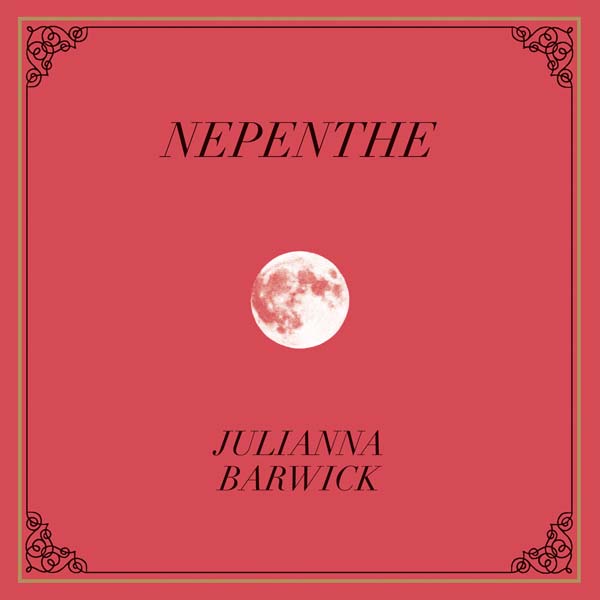
Album Review: Julianna Barwick – Nepenthe

by Rio Toro

doc069.11183v4

Julianna Barwick: Nepenthe

Similar Artists: Jonsi & Alex, Grouper

Genre: Ambient, Voice, Loop-Based

Label: Dead Oceans


Most could forgive me if I was initially a bit nervous to listen to Nepenthe, as I was afraid the expanded production credits (Alex Somers of Jonsi & Alex, string quartet Amiina, Mum Guitarist Robert Reynisson [and pretty much everything else “Icelandic” for that matter]) would potentially tarnish the deep, isolated solemnity of Julianna Barwick’s previous LP, The Magic Place. On that 2011 LP, Julianna came into her own as a talented and original sound sculpture with a voice so rich it could have only descended from the heavens. Through the use of her lyric-less vocals and (very) minor instrumentation, she created a soundscape that was both deeply personal and even epic. While “epic” might seem like a strange word for what is essentially ambient music, her towering vocals grow on top of one another until the composition becomes somewhat maximalist, yet remaining precisely contained and elegant.

After a slew of less admirable EP’s, The Magic Place was also the moment where Julianna broke free of any comparisons to new age music and Enya (not that there’s anything wrong with these things). Even modern vocal-loop based artists like Grouper — who has ventured closer to accessibility on albums like The Man Who Died In His Boat, and Dragging a Dead Deer Up A Hill — feel hard to compare to the angelic choir that Julianna Barwick has summoned through her work. Music this personal and emotional has rarely been this immediate and accessible.

While I usually award artists who change up their style from album to album, I think it’s safe to say not many people were begging for an artistic leap on Nepenthe. Thankfully, the enhanced production doesn’t do much to broaden the bounds of the music, as her style is more or less unchanged; her voice without a doubt remains the most captivating piece. As great as the electronic flourishes, piano snippets, and grand orchestrations are, this is music that aims to further the limits of the human voice, and she continues to find brilliant ways to do that throughout Nepenthe.

There are some noticeable differences between her two LP’s, but they deal more with color and tone rather than execution. The atmosphere seems to be much more attuned to frozen tundras and glacial mountaintops — “Pyrrhic” in particular seems to have borrowed a thing or two from Sigur Ros — but like the best ambient music, Nepenthe has a noticeable affect on the environment and almost immediately ushers in a tranquil mood. If one were to attempt to get into a fight, or an argument while this was playing, I don’t think the negativity would be able to sprout from their mouths. This is more true here than on previous releases, because Nepenthe is accompanied by brighter textures, and comes off being a happier experience when compared to The Magic Place‘s sense of distraught longing. It is for this reason that the title itself — which translates roughly to “a medicine for sorrow” — couldn’t be more perfect. It even ties the two albums together and leads one to believe that The Magic Place was a representation of Julianna’s sorrow, while Nepenthe is how she managed to get through it.

Although she remains non lyrical for the most part, “One Part” happens to be her first piece that contains clearly audible words instead of her usual monosyllabic singing. She repeats the words /I guess I was, asleep that night, was waiting far/ over and over to an overwhelming affect; you can’t help but picture her singing the refrain while standing at her window in a night gown staring into the twilight-lit night sky.

I’ve listened to a lot of Julianna Barwick over the last few years, and now, because of Nepenthe, I’m sure she will continue to dominate my playlists for the next several as well. In a way, Julianna has it easy, and while i’m sure this music couldn’t have been arranged by an amateur, she has been blessed with an immaculate voice, and as long as she is paired with a looping station it is the only instrument she will ever need. It’s immediate music, and although it doesn’t necessarily get more beautiful with repeated listens, it should be known that it never happens to become less beautiful either; I think there’s a word for that actually, oh yeah: timeless.


Track Listing:

1.) Offing

2.) The Harbinger*

3.) One Half*

4.) Look Into Your Own Mind

5.) Pyrrhic

6.) Labyrinthine*

7.) Forever*

8.) Adventurer of the Family

9.) Crystal Lake*

10.) Waving To You


Album Highlight – *

Filed Under: BREAKING NEWS, ENTERTAINMENT, MUSIC, OPINION, REVIEWS Tagged With: Album Review, ambient, dead oceans, julianna barwick, music, nepenthe, vocal loop

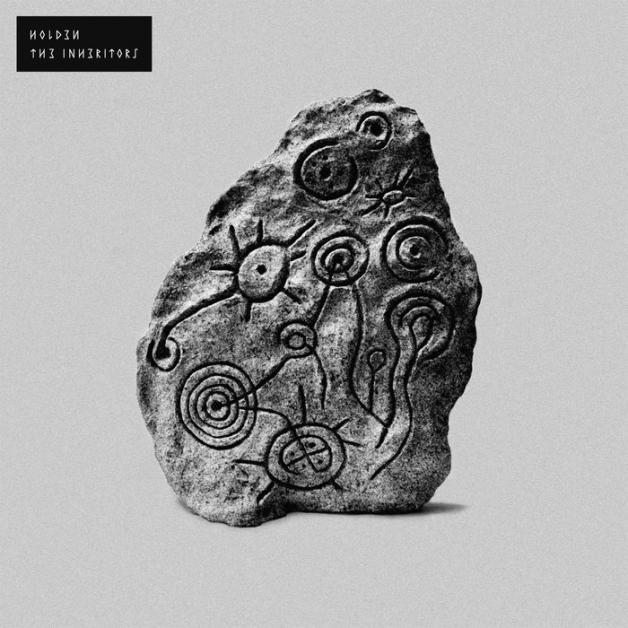
Album Review: James Holden – The Inheritors

by Rio Toro

rsz_theinheritors-cover-1400pxsticker

James Holden: The Inheritors

Similar Artists: Vladislav Delay, Ital, Pete Swanson, Manual Gottsching

Genre: Sound Collage, Krautrock, Experimental, Noise, Techno

Label: Border Community


The world of electronic music is a constantly moving one — there are seemingly hundreds of micro-genres, new *must have* equipment is put out on a day to day basis, and with intuitive tools like “GarageBand” being readily available on the everyman’s computer, it is easy (almost too easy) for people to make music. Due to these circumstances, the genre (if it can even be called that anymore) is flooded with near unlimited possibility, and because of that, producers seem to always be in a constant state of flux, desperately seeking out that next big sound — or at least a somewhat original one. It’s gotten to the point where every year (or every few months even) an electronic album comes around that is deemed “groundbreaking”, and honestly, keeping up with even the very best of the electronic releases throughout a year is a challenge; especially when you have to factor in that many of these albums take multiple listens to register.

Such is the case with James Holden’s The Inheritors. James Holden is a British producer/DJ who has worked on and off in the scene since the late 90’s. Although he own’s his own record label and released one of the best mixes of the 2000’s with Balance 005, he is arguably most well known for his early trance singles such as “A Break In The Clouds”, or his remix of Nathan Fake’s, “The Sky Was Pink”. With his 2007 debut full length, The Idiots are Winning, he took a side step away from his lush, bigger than life soundscapes to immerse himself more fully in prog and krautrock.

However, even for those of you who have become familiar with James Holden’s non traditional career arc, the first thing you will notice about his 2nd LP is how experimental it is. For one, the tracks are a blend of electro-acoustic instrumentation, with tones that alternate — almost haphazardly — between being sharp and dissonant to fuzzy and warm. Secondly, the tracks are based around live, single take keyboard melodies. This gives the music a whole lot of subtlety — at least some of which was likely unintentional. Even when something sounds like a loop, it isn’t, and once you realize this, hearing each piece play out becomes mesmerizing; since we never know when a drastic change might occur, it also feels rather dangerous. Lastly, there’s always something ominous lying within the depths of these tracks, as if a ritual is taking place and a ghostly apparition may be called forth at any moment.

The experience can be a bit overwhelming at first, and even after a dozen or so listens I am still startled by how layered many of these tracks are. While Holden certainly brushes upon Kosmiche (Circle of Fifths), noise (Sky Burial), minimal (Self Playing Schmaltz), and hauntology (Seven Stars), no track feels like a complete representation of said genre; there is no pure light or pure dark here. Instead, what we get is a series of sound collages that come together in a kind of delicious home made soup bowl. A treat that can only be offered by the very best that experimental music has to offer.

It has become somewhat of a cliche that electronic producers turn out music that is more challenging and inaccessible as their career lengthens, but that doesn’t keep The Inheritors from being any less of it’s own. This project was in fact inspired by William Golding’s 1955 novel of the same name, and while basing an album off of a 60 year old science fiction novel screams over-intellectualism, this is an album that has its more obvious pleasures as well. While people will complain that this music doesn’t contain the same sense of spectacle of Holden’s earlier work, that’s not necessarily true. If you want to find techno, or trance, or house, you can find it — somewhere within these endless waves of static hiss, its all there.


Track Listing:

1.) Rannoch Dawn*

2.) A Circle Inside a Circle*

3.) Renata*

4.) The Caterpillar’s Intervention

5.) Sky Burial

6.) The Illuminations*

7.) Inter-City 125

8.) Delabole

9.) Seven Stars

10.) Gone Feral*

11.) The Inheritors*

12.) Circle of Fifths

13.) Some Respite

14.) Blackpool Late Eighties*

15.) Self-Playing Schmaltz


Album Highlight – *

Filed Under: ENTERTAINMENT, MUSIC, REVIEWS Tagged With: album, electronic, experimental, james holden, music, review, the inheritors

Album Review: Zomby – With Love

by Rio Toro

b8d597a1

Zomby: With Love

Similar Artists: Kode9, Burial, Ikonika, Actress

Genre: Dubstep, Garage, Jungle, Dark Rave

Label: 4AD


Despite the rough draft feel, there has always been something attractive about musical sketches. Listening to these minimal tracks — ones that often contain ideas just waiting to be expanded upon in countless directions — can be an intriguing and inspiring experience.  Even more so, is the fact that when a track is slimmed down to its bare essentials, the few elements that are present stand out to a much more effecting degree, creating music where every snare hit and chord change becomes inescapable.

Now i’m not saying that the 33 tracks off of With Love, the 3rd album (2nd on 4AD) from London/New York producer Zomby, are necessarily “sketches”, but since most hover around the 2 minute mark, we get the feeling that these tracks were quickly made and finished off at the moment their creator had to stop and think about where to go next. Within the first second, we are thrown into the shuffle of Zomby’s ever broadening electronic palette, and it is up to our senses to find our way through the labyrinthine maze that is With Love.

The tracks are spread across two disks (in alphabetical order no less) and although this is essentially a lumped together compilation of what the producer has been doing for the past few years, the pacing mostly keeps us on our toes. While some tracks adequately segue into the subsequent ones, others end abruptly and offer an awkward transition. This will certainly lead to a confusing experience for many, but the way I see it (and probably Zomby himself), the rough, slapdash feel we get from scurrying through a dozen or so genres is part of the fun; especially because here we see Zombie at his most precise.

With Love doesn’t make any statements, and it most certainly doesn’t tell a story — which will certainly prevent a handful from returning to this album past the first initial playthroughs. But despite the lack of any kind of overarching neatness (god knows it isn’t cohesive), individually, these are tracks that project a sleek and undeniably stylish presence, and few listeners will fail to become attached to the best of these productions; after all — there are 33 of them, so you would certainly be hard pressed to hate them all.

With that said, there is not a single track here that comes near “classic” status — keep in mind, while I do believe this album shows the producer at his overall best, there is nothing that reaches the status of something like “Natalia’s Song” off of Dedications (which, with its copyrighting issues is another story all together). Also, while I previously said that you will likely become attached with a handful of these tracks, for an album titled With Love, far too many tracks are emotionally barren, and devoid even of the gloomy atmosphere the best dubstep producers are known for. Even the far reaching vocal samples Zomby is known for are pulled back here.

While the first disk does a good job of switching musical styles from song to song (dubstep, garage, rave, jungle), the second disk lacks variety, and offers far fewer standouts. If the first disk is more entertaining and club oriented, the second disk is more cryptic, and as it recalls Actress’ early work, it’s also more hazy, and occasionally even hypnotic. Listening to both disks in unison works well enough, but the one true misstep is that, on the second disk, the drum programming from track to track is eerily (and sometimes maddeningly) similar — even causing the listener to second guess if the same track is on the album multiple times.

Even with all these complaints though, this is a world that’s easy to get sucked into — especially while traversing dark (preferably rainy) cityscapes. Maybe i’m a sucker for the beautiful black and white cover art, and maybe many of these tracks are in fact a case of style over substance, but something about Zomby’s aesthetic sticks with you, and at his best he sounds like no one else. With its ups and downs it certainly won’t be a contender for album of the year, but it sure as hell will be staying on my mp3 player for the next several.


     Track Listing:

1.) As Darkness Falls
2.) Ascension
3.) Horrid*
4.) If I Will
5.) Isis*
6.) It’s Time
7.) Memories
8.) Orion*
9.) Overdose*
10.) Pray For Me
11.) Rendezvous*
12.) The Things You Do*
13.) This One
14.) Vanishment
15.) VI-XI*
16.) VXV
17.) 777
18.) Black Rose
19.) Digital Smoke
20.) Entropy Sketch
21.) Glass Ocean*
22.) How To Ascend
23.) I Saw Golden Light
24.) Pyrex Nights
25.) Quickening
26.) Reflection In Black Glass
27.) Shiva

28.) Soliloquy*
29.) Sphinx
30.) Sunshine In November*
31.) Vast Emptiness
32.) White Smoke*
33.) With Love

Album Highlight – *

Filed Under: ENTERTAINMENT, MUSIC, OPINION, REVIEWS Tagged With: Album Review, dubstep, electronic, music, with love, zomby

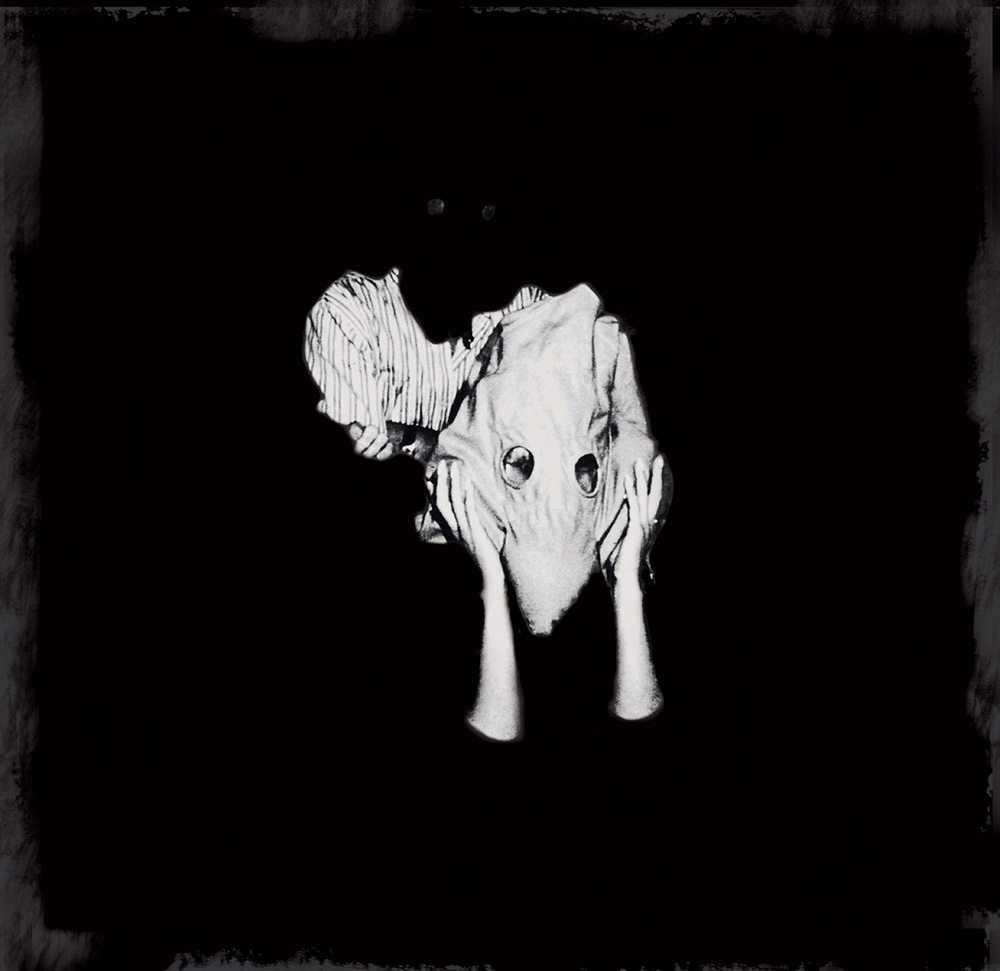
Album Review: Sigur Ros – Kveikur

by Rio Toro

kveikur-1000

Sigur Ros: Kveikur

Similar Artists: Godspeed You! Black Emperor, Radiohead

Genre: Experimental Rock, Post-Rock

Label: XL


Writing about Sigur Ros in 2013 isn’t an easy thing to do. Through 15 odd years and 7 albums, the Icelandic five piece have perfected their brand of glacial post-rock countless times over, and their influence on today’s music scene is easily documented. Still, despite their ever increasing popularity, and the undeniable quality of each passing album, the last few years have seen Sigur Ros receiving a fair share of criticism (or, at least much more than they probably deserve). While the band has yet to be outright ridiculed, for some reason, critics expect Sigur Ros to be more than the most technically impressive rock band in the world. The bulk of this “negativity” has revolved around Sigur Ros not reinventing themselves, but instead continuing to maintain and adapt their own distinct sound. Personally, I find this critique to be unfair, and even a little bit cruel when you consider how indescribably beautiful the sound of Sigur Ros really is. Sure, while listening to a Sigur Ros song, it’s relatively easy to recall another, similar sounding song within their discography, but try taking each of their albums as a full piece; you will be able to see how each entry stands as a unique experience. For instance: Von is their most experimental, Agaetis Byrjun is their most sprawling, ( ) is their most challenging, Takk is their brightest and most accessible, Med Sud is their most varied, and Valtari is their most serene.

However, I do have to say, even with these noticeable differences, the core emotions we feel when listening to Sigur Ros have for the most part stayed the same, and because of that, coming up with a new set of descriptors for Kveikur is proving troublesome. It’s certainly a few shades darker — but that bit is almost too obvious to talk about. More interesting perhaps, is that while typically a Sigur Ros song has followed a path of slow and steady verses building to epic climaxes (soft/soft/loud), here a bulk of songs start off at what seems like full blast — only to become even more ferocious a few minutes in (loud/loud/very loud). With the pounding drums, and the rhythm section which is more prevalent than we have heard from Sigur Ros in years, Kviekur is much more rooted in “rock” than their last few efforts. The band themselves even pegged this as Valtari’s polar opposite. If it wasn’t for Jonsi’s transcendental and always soothing voice, much of this album could be seen as straight up metal; albeit metal of a more atmospheric and piano inclined variety.

The album opens with crumbling static decay, which soon feeds into pummeling guitar chords. While “Brennisteinn” isn’t representative of the album in its entirety, we definitely get to see the band in a more raw state of mind throughout the nine tracks. Jonsi’s voice is often doused with reverb and cut into miniature segments, similar to the maximalist production found on solo album “Go”, but without the sense of whimsy. The title track in particular incorporates elements from industrial and goth rock to create a pulse that even outdoes their previous go-to headbanger “Ny Batteri”. On the other side of the spectrum we have a track like “Rafstraumur”, which has a backing vocal that wouldn’t be out of place on a Yo La Tengo record. The band manages these sounds in a way that maintains the unparalleled grandiose spirit they are known for.

A question I asked myself a few times while listening to this record is: are Sigur Ros still relevant? It might seem like a strange question from someone who is clearly a huge fan of this group’s output, but while the quality of this group’s music has been consistently excellent, the group’s earlier efforts made you feel like you were listening to a truly important band — one that only comes around every few lifetimes. It turns out they were important, and because of it they will likely have their place in the music history books regardless of what the rest of their career entails. Now the group’s legacy is firmly set in stone, and while nothing is missing here, it certainly doesn’t feel vital. It might sound like i’m giving off mixed messages with this album — but i’m not. It’s a great album, but that’s also all it is.


Track Listing:

1.) Brennisteinn*

2.) Hrafntinna

3.) Isjaki*

4.) Yrifborf

5.) Stormur

6.) Kveikur*

7.) Rafstraumur*

8.) Blapradur

9.) Var


Album Highlight – *

Filed Under: ENTERTAINMENT, MUSIC, REVIEWS Tagged With: album, jonsi, kveikur, music, review, sigur ros

  • « Go to Previous Page
  • Page 1
  • Page 2
  • Page 3
  • Page 4
  • Page 5
  • Page 6
  • Go to Next Page »

Primary Sidebar

Navigation

  • HOME
  • OPINION
    • REVIEWS
  • BUSINESS
  • LGBT
  • ENTERTAINMENT
    • ARTS
    • MOVIES
    • MUSIC
    • TELEVISION
    • THEATRE
  • LIFESTYLE
    • TRAVEL
    • FASHION
    • HEALTH
    • FOODIE
    • STYLE
  • POLITICS
  • SCIENCE
  • SPORTS
  • TECHNOLOGY
  • U.S.
    • NEW YORK

Footer

  • ADVERTISE
  • TERMS OF SERVICE
  • CAREERS
  • ENTERTAINMENT
  • Home
  • Contact
  • Legal

Copyright © 2026 · ManhattanDigest.com is run by Fun & Joy, LLC an Ohio company · Log in

Loading Comments...